HP CM Sukhu: Zero wait time in hospitals is the mission
Synopsis
Chief Minister Sukhvinder Singh Sukhu has called on all departments of Himachal Pradesh to work in mission mode to eliminate patient waiting periods in government hospitals, signalling a shift to time-bound operational urgency in public healthcare delivery.
Key Takeaways
CM Sukhvinder Singh Sukhu has set a target of zero waiting time for patients in Himachal Pradesh government hospitals.
The directive was issued on 2 August 2026 via the Chief Minister's Office on X.
Sukhu called for all departments to shift to 'mission mode' — India's high-urgency programme delivery framework.
Himachal Pradesh has been part of the National Health Mission since 2005 , building primary and secondary care infrastructure across the hill state.
Specific implementation measures — appointment systems, staffing norms, digital tools — are yet to be announced publicly.
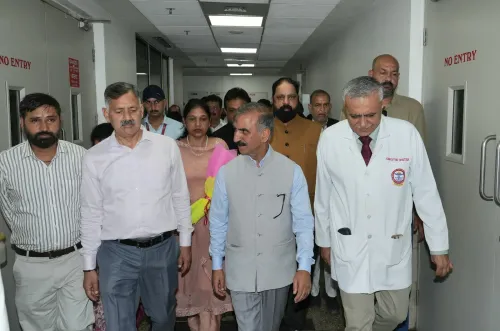
Zero. That is the target Chief Minister Sukhvinder Singh Sukhu has set for patient waiting periods in Himachal Pradesh's government hospitals — and he is calling on every arm of the administration to pursue it in mission mode.
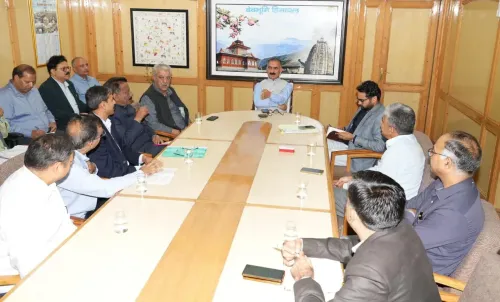
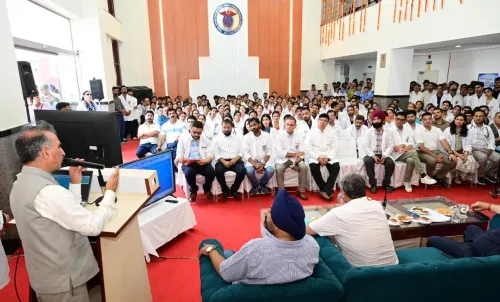
The Chief Minister's Office of Himachal Pradesh shared the directive on Sunday, 2 August 2026, quoting CM Sukhu: 'Ab hum sabhi ko mission mode mein kaam karna hai, taaki aspatalon mein marizon ki pratiksha avadhi ko shunya kiya ja sake' — 'Now all of us must work in mission mode so that the waiting period for patients in hospitals can be brought to zero.'
What 'mission mode' means for hill-state hospitals
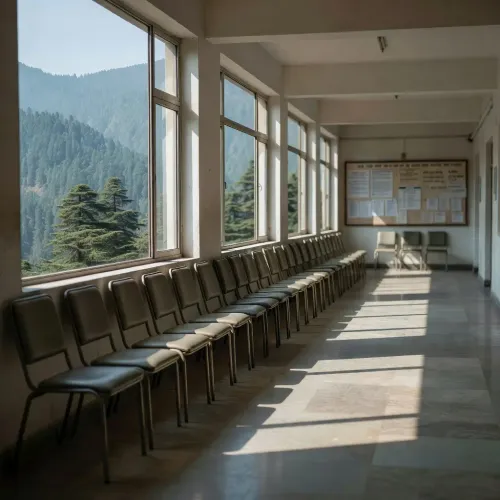
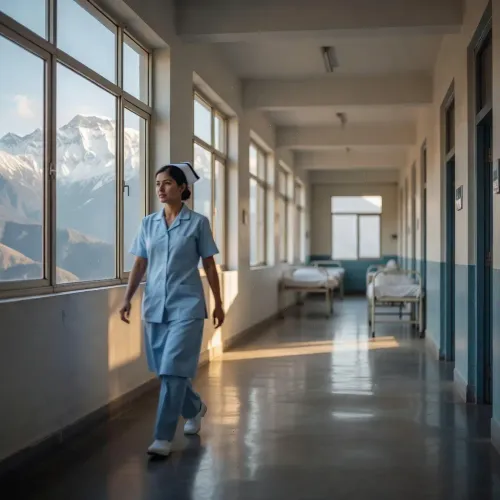
Reducing wait times in a terrain-challenged state like Himachal Pradesh is not a trivial administrative tick-box. District hospitals here serve populations spread across high-altitude valleys and remote ridgelines, where a long wait at the end of a difficult journey compounds the burden on patients significantly. The directive signals a push to treat wait-time reduction not as a background goal but as an active operational priority.
Himachal Pradesh has been part of the National Health Mission since 2005, which has progressively strengthened primary and secondary care infrastructure across the state. The CM's latest call aligns with a broader national pattern in which Indian states are deploying process reforms — appointment scheduling, staffing rationalisation, and digital dashboards — to make public healthcare delivery faster and more predictable.
Sukhu's health focus since December 2022
CM Sukhu, who took office in December 2022, has consistently flagged public health access as a priority for his administration. The emphasis on 'mission mode' — a phrase borrowed from India's high-urgency programme delivery vocabulary — suggests the government intends to treat this as a time-bound operational campaign rather than a long-term aspiration.
The specific measures — whether new appointment systems, revised staffing norms, or digital monitoring tools — are yet to be announced. What the directive makes clear is that the expectation has been set from the top: idle waiting rooms are no longer acceptable, and the clock is running.
Point of View
And that inertia now carries political cost. For a Congress government in Himachal Pradesh that has staked credibility on welfare delivery, visible improvements in public hospital experience offer a tangible, voter-legible win. The 'mission mode' framing also mirrors the language of central government flagship programmes, suggesting Sukhu is deliberately borrowing the Centre's delivery vocabulary to frame a state-level ambition. Whether operational specifics follow will determine if this remains a directive or becomes a measurable reform.
NationPress
16 Sept 2026
Frequently Asked Questions
What did CM Sukhu say about hospitals in Himachal Pradesh?
CM Sukhvinder Singh Sukhu directed all departments to work in mission mode to bring patient waiting periods in Himachal Pradesh government hospitals to zero.
What is mission mode in Indian government programmes?
Mission mode refers to a high-urgency, time-bound approach to programme delivery in Indian governance, where clear targets and dedicated resources are assigned to achieve specific outcomes quickly.
How long has Himachal Pradesh been part of the National Health Mission?
Himachal Pradesh has been part of the National Health Mission since 2005, which has supported the strengthening of primary and secondary healthcare infrastructure across the state.
When did Sukhvinder Singh Sukhu become Chief Minister of Himachal Pradesh?
Sukhvinder Singh Sukhu became Chief Minister of Himachal Pradesh in December 2022.
What are the challenges for government hospitals in Himachal Pradesh?
Himachal Pradesh's mountainous terrain means hospitals serve populations across remote high-altitude valleys, making long patient wait times especially burdensome for those who have already travelled long distances to reach care.