HP CMO Hails Lavi Mela as Symbol of Himalayan Trade Heritage
Synopsis
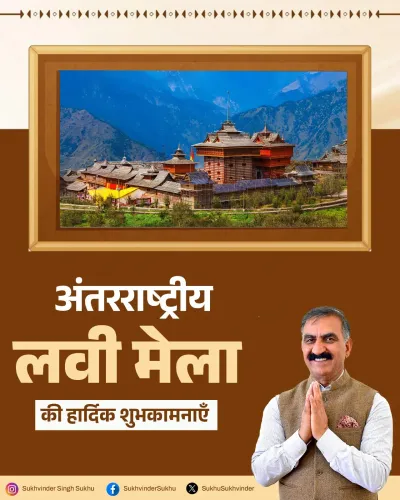
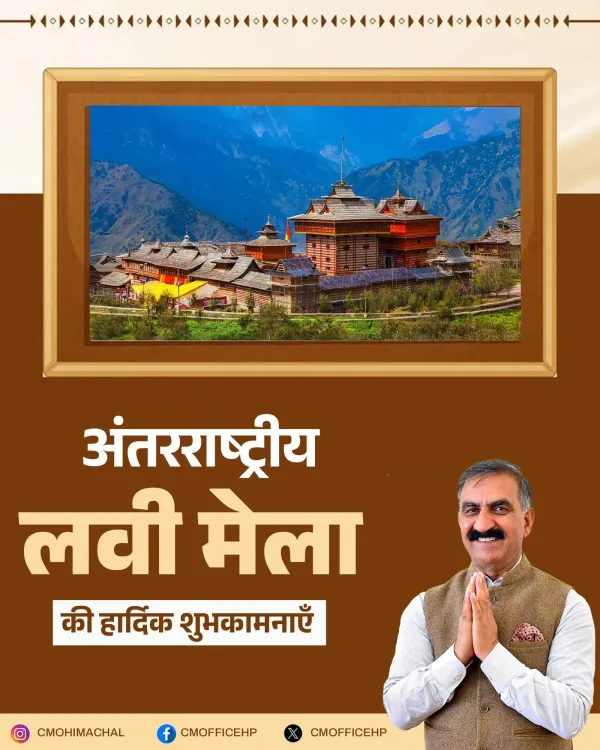
The Chief Minister's Office of Himachal Pradesh celebrated the International Lavi Mela on November 11, 2026, calling it a symbol of the state's identity and centuries-old trade tradition, spotlighting Pashmina, Namda, Patti, woollen textiles, and chilgoza as markers of ancestral artisan skill.
Key Takeaways
The Chief Minister's Office of Himachal Pradesh posted on November 11, 2026 celebrating the International Lavi Mela as a symbol of the state's identity and trade heritage.
The fair is held annually in Rampur Bushahr , rooted in centuries-old trans-Himalayan trade routes connecting the subcontinent with Tibet and Central Asia.
Five products were specifically named: woollen textiles (uni vastra), Namda felt rugs, Patti fabric, Pashmina, and chilgoza pine nuts.
Himachal Pradesh has promoted the fair as a platform for local artisans and rural traders since the post-independence period.
The event sits at the intersection of handloom policy, rural tourism, and craft heritage preservation in Indian hill states.
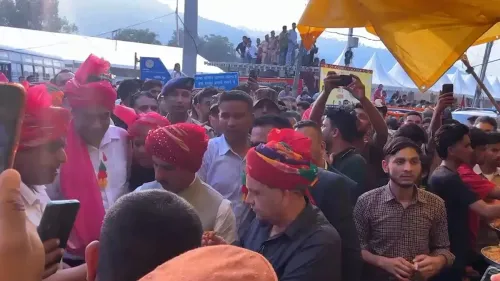
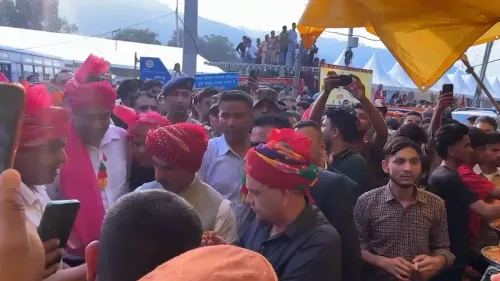
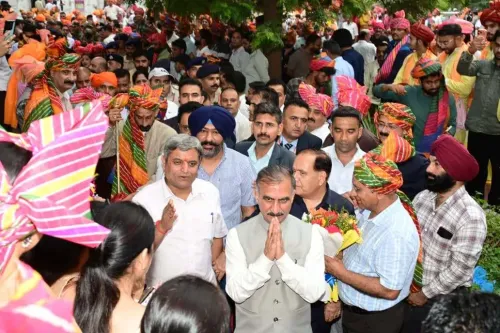
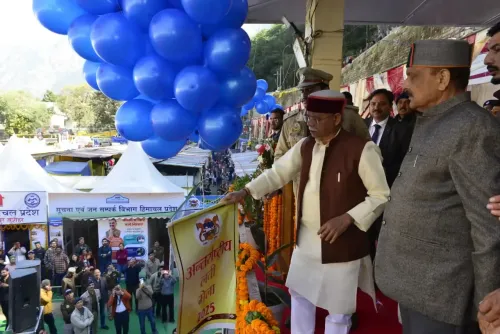
Centuries before modern supply chains, wool and pine nuts crossed the Himalayas through Rampur Bushahr — and the International Lavi Mela still keeps that memory alive. The Chief Minister's Office of Himachal Pradesh invoked that legacy on Wednesday, November 11, 2026, celebrating the fair as an enduring emblem of the state's identity and its artisans' ancestral craft.
The post, shared on X, described the fair as a symbol of Himachal's identity and centuries-old trading tradition — 'अंतरराष्ट्रीय लवी मेला हिमाचल की पहचान और वर्षों पुरानी व्यापारिक परंपरा का प्रतीक है' — and singled out five products at its heart: woollen textiles (uni vastra), felt rugs (namda), hand-woven patti fabric, Pashmina, and chilgoza pine nuts. Each one is not a souvenir — it is a livelihood passed down through generations of Himalayan craftspeople.
Rampur Bushahr's ancient crossroads
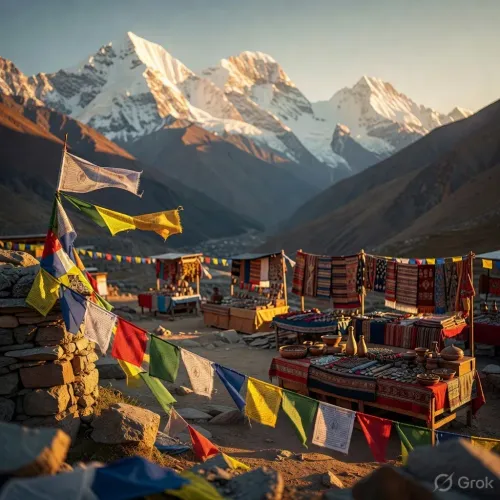
The Lavi Mela, held annually in Rampur Bushahr in the Shimla district, traces its roots to trans-Himalayan trade routes that once connected the Indian subcontinent with Tibet and Central Asia. Merchants from both sides of the high passes brought wool, spices, dried fruit, and livestock to this riverside market. Post-independence, Himachal Pradesh formalised the fair under state patronage, transforming a seasonal bazaar into an internationally recognised cultural event.
Five crafts, one mountain economy
Pashmina and patti weaving represent the pinnacle of high-altitude wool processing — labour-intensive skills that command premium prices when marketed well, but struggle against cheaper machine-made alternatives. Namda felt-work, produced by compressing raw wool without a loom, is rarer still. Chilgoza, the aromatic pine nut harvested from Himalayan forests, ties craft heritage to forest-dependent communities. Together they form a micro-economy that the fair sustains each year.
State promotion and what comes next
Himachal Pradesh has periodically leveraged the Lavi Mela as a platform where handloom policy meets rural tourism. The state's promotion of the fair aligns with broader national efforts to protect Geographical Indication tags for hill-region crafts and direct government procurement to artisan clusters. Whether this year's edition is backed by fresh budget allocations or a dedicated craft cluster scheme is a question the state's upcoming policy calendar will answer — but the government's public messaging makes its priorities plain.
When a state government reaches for a centuries-old fair to tell its story, it is making a bet that heritage is good politics and good economics at once — and in Himachal Pradesh, that bet has not been wrong yet.
Point of View
The Himachal Pradesh government is signalling that traditional craft fairs remain a viable pillar of its rural economy and cultural diplomacy strategy. This sits within a wider pattern of Indian hill-state governments using Geographical Indication branding and fair-linked tourism to protect artisan incomes from mass-market competition. The specific mention of Pashmina and chilgoza — both products with premium export potential — suggests the state is positioning the fair not just as heritage tourism but as a supply-chain anchor for high-value hill produce. How that ambition translates into budget commitments and marketing infrastructure will determine whether the celebration is policy or pageantry.
NationPress
11 Nov 2026
Frequently Asked Questions
What is the International Lavi Mela?
The International Lavi Mela is a centuries-old annual trade fair held in Rampur Bushahr, Himachal Pradesh. It originated as a trans-Himalayan bazaar linking the Indian subcontinent with Tibet and Central Asia and is now promoted as a cultural and artisan heritage event by the state government.
Where is the Lavi Mela held?
The Lavi Mela is held in Rampur Bushahr, in the Shimla district of Himachal Pradesh, situated along a historic Himalayan trade corridor.
What products are famous at the Lavi Mela?
The fair is known for woollen textiles (uni vastra), Namda felt rugs, hand-woven Patti fabric, Pashmina shawls, and chilgoza pine nuts — all traditional products tied to Himalayan artisan communities.
Why does the Himachal Pradesh government promote the Lavi Mela?
The state government promotes the fair to preserve craft heritage, support the rural artisan economy, and intersect handloom promotion policies with tourism. It also raises visibility for hill-region products that carry Geographical Indication potential.
What is chilgoza and why is it significant at the Lavi Mela?
Chilgoza is an aromatic pine nut harvested from Himalayan forests, significant to forest-dependent communities in Himachal Pradesh. It is one of the key products traded at the Lavi Mela and represents the region's forest produce heritage alongside its textile crafts.