HP CM Office Interacts with 30 ITI Trainees Back from Kazakhstan
Synopsis
The Chief Minister's Office of Himachal Pradesh interacted with 30 ITI trainees returning from a Kazakhstan exposure visit on 17 July 2026, underscoring how international learning opportunities boost both technical knowledge and self-confidence among the state's vocational youth.
Key Takeaways
30 ITI trainees from Himachal Pradesh undertook an exposure visit to Kazakhstan as part of the state's vocational training programme.
The Chief Minister's Office held a direct interaction with the returning trainees on 17 July 2026 to understand their experiences.
The CMO observed that international exposure simultaneously deepens knowledge and builds self-confidence among young trainees.
The visit aligns with the Skill India Mission (2015) mandate for international exposure components in ITI curricula.
India-Kazakhstan educational MoUs, first signed in 2009 , provide the diplomatic framework for such trainee exchanges.
Future focus will be on 2026-27 budget allocations and potential new institutional ties between HP ITIs and Kazakh polytechnics.
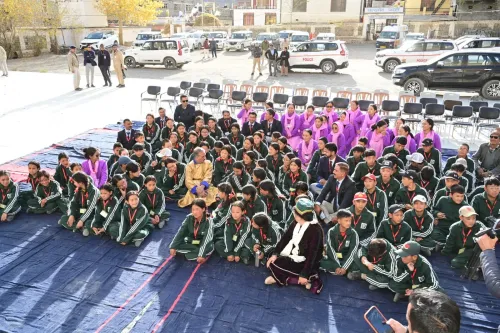
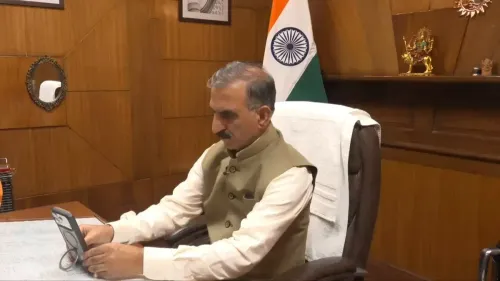
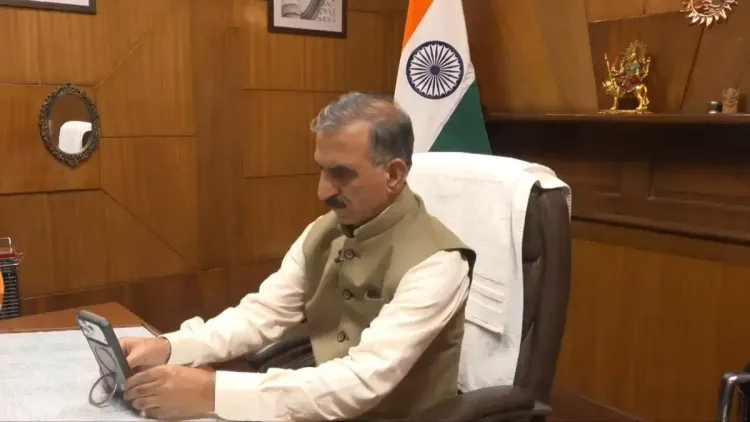
The Chief Minister's Office of Himachal Pradesh on Friday, 17 July 2026 held an interaction with 30 ITI trainees from the state who had returned from an exposure visit to Kazakhstan, drawing out their experiences and reflecting on the transformative value of international learning opportunities for young vocational students.
The CMO shared on X that the interaction revealed how overseas exposure sharpens not just knowledge but also self-confidence among youth. The post noted, 'jab yuvaon ko seekhne aur duniya ko kareeb se dekhne ka avsar milta hai' ('when young people get the opportunity to learn and see the world up close'), their confidence reaches new heights alongside their growing knowledge.
Context
Himachal Pradesh's Industrial Training Institutes are government-run vocational centres that offer certificate courses in technical trades to school-leavers and youth across the hill state. The 30 trainees who visited Kazakhstan represent a cohort selected for an international exposure visit, a practice that has grown steadily among Indian states since the mid-2010s.
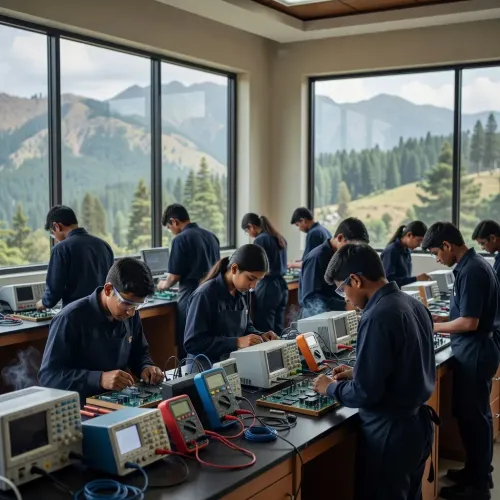
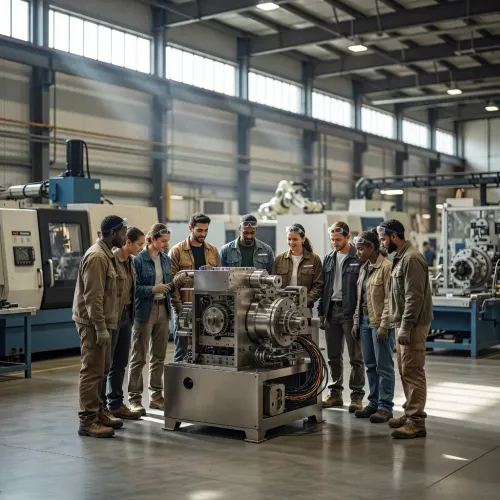
Short-term overseas visits of this kind are designed not as long-term study programmes but as horizon-broadening experiences — exposing trainees to international industrial environments, work culture, and technical practices that are difficult to replicate in domestic classrooms.
Policy Backdrop
The visit sits within the framework of the Skill India Mission, launched in 2015, which mandated international exposure components for ITI trainees to improve their global employability. The National Skill Development Policy 2015 specifically called for such visits as part of a broader effort to align Indian vocational training with international standards.
India and Kazakhstan have maintained educational and cultural exchange agreements since the 1990s, with MoUs signed in 2009 and renewed in subsequent years facilitating periodic student and trainee exchanges. Central Asian countries have been a favoured destination for such programmes, given the existing technical cooperation architecture between the two nations.
Indian states have incrementally expanded overseas exposure visits to target Central Asian and ASEAN countries where technical cooperation agreements are in place. Himachal Pradesh's participation in this trend reflects a state-level commitment to integrating global exposure into its ITI curriculum.
Stakeholders and Impact
The primary beneficiaries are the 30 ITI trainees themselves — young people from a predominantly rural, hill state who may have limited prior exposure to international industrial environments. For this demographic, an overseas visit to a country like Kazakhstan can meaningfully shift both technical understanding and personal confidence.
Broader stakeholders include Himachal Pradesh's vocational education ecosystem — ITI administrators, trainers, and state skill development officials — who stand to benefit if returning trainees share knowledge and raise aspirations among peers. Employers in sectors that recruit ITI graduates also gain from a more globally aware workforce.
What's Next
Attention will now turn to Himachal Pradesh's budget allocations for 2026-27 international exposure programmes and whether the state formalises new institutional linkages between its ITIs and Kazakh polytechnics or technical institutes. The interaction by the CMO signals political visibility for the programme, which could support future funding and scale.
If the state expands such visits — in batch size, destination countries, or frequency — it could position Himachal Pradesh as a model for integrating international exposure into sub-degree vocational education, with lessons applicable across other hill and smaller Indian states.
Point of View
Lending it political salience ahead of budget discussions. By framing the visit in terms of youth confidence and global awareness rather than just technical outputs, the Himachal government is positioning vocational education as a prestige policy rather than a remedial one. This mirrors a broader national trend where state governments compete to showcase international exposure components of their ITI networks as markers of progressive governance. The real test will be whether the visibility translates into sustained funding and institutional partnerships, or remains a one-cycle photo-opportunity.
NationPress
16 Oct 2026
Frequently Asked Questions
Why did 30 Himachal Pradesh ITI trainees go to Kazakhstan?
The trainees undertook an international exposure visit to Kazakhstan as part of Himachal Pradesh's vocational training programme, aligned with the Skill India Mission's mandate for ITI students to gain overseas industrial experience.
What is the Skill India Mission and how does it relate to ITI trainees?
The Skill India Mission, launched in 2015, is a national programme to scale vocational training in India. It includes provisions for international exposure visits for ITI trainees to improve their global employability and technical horizons.
Does India have an education agreement with Kazakhstan?
Yes. India and Kazakhstan have maintained educational and cultural exchange MoUs since the 1990s, with agreements signed in 2009 and renewed subsequently, facilitating student and trainee exchanges between the two countries.
What did the HP Chief Minister's Office say about the Kazakhstan visit?
The CMO shared that interacting with the trainees made clear that when young people get the opportunity to learn and see the world up close, their knowledge grows and their self-confidence reaches new heights.
What are ITIs in India?
Industrial Training Institutes are government-run vocational training centres across India that offer short-duration certificate courses in technical trades to school-leavers and youth, preparing them for employment in skilled occupations.