HP CM Office: Himachal's rivers are its greatest wealth
Synopsis
The Chief Minister's Office of Himachal Pradesh declared the state's flowing rivers its 'greatest wealth' and called on youth to recognise and protect this Himalayan heritage, linking water stewardship to cultural identity.
Key Takeaways
The Chief Minister's Office of Himachal Pradesh posted on 7 August 2026 calling flowing water the state's 'gold' and greatest asset.
Himachal Pradesh hosts the headwaters of major river systems including the Beas, Sutlej, and Ravi, making water a core economic and ecological resource.
The CMO's message was directed explicitly at the state's youth , urging them to recognise the potential of this water heritage.
The post paired resource awareness with cultural pride, noting that Himachal's youth remain 'deeply connected to their culture and values.' The framing continues a long pattern of successive HP governments linking hydropower and water wealth to state identity and youth responsibility.
Flowing water, the Chief Minister's Office of Himachal Pradesh declared on Friday, is not merely a natural resource — it is gold. In a message directed squarely at the state's youth, the CMO framed Himachal's Himalayan river systems as an 'invaluable heritage' that the next generation must recognise and claim.
The post, shared on 7 August 2026, reads: 'Bahata hua paani Himachal Pradesh ke liye sona hai aur hamari sabse badi sampada bhi.' ('Flowing water is gold for Himachal Pradesh and our greatest wealth too.') It goes on to call on the state's youth to recognise the potential of this priceless heritage, adding a note of pride: Himachal's young people, the message says, remain deeply rooted in their culture and values.
Why water, why now — and why the youth
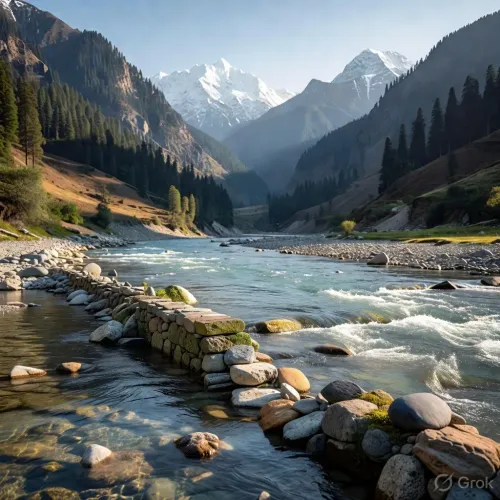
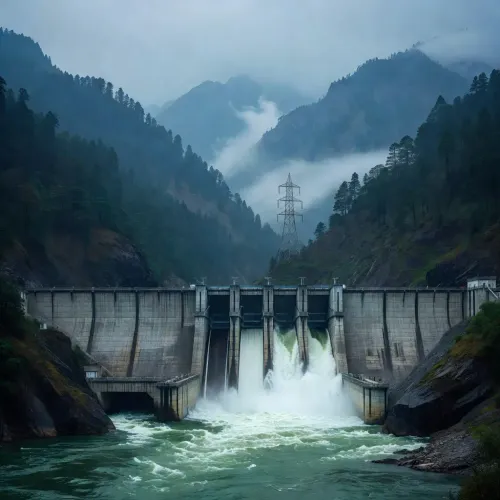
Himachal Pradesh sits atop some of the Indian subcontinent's most consequential river systems. The Beas, Sutlej, Ravi, and their tributaries originate in or pass through the state's Himalayan ranges, making it one of the country's most water-rich territories. That geography has long translated into economic leverage — hydropower has been the state's signature industry for decades, with installed capacity that makes Himachal a net exporter of electricity to the national grid. Successive governments in Shimla have returned repeatedly to this theme: water as identity, water as livelihood, water as responsibility. The CMO's message fits squarely into that lineage, but its direct address to youth signals something deliberate. As climate pressures on Himalayan glaciers intensify and downstream water-sharing disputes simmer, the state appears keen to cultivate a generation that sees stewardship of rivers as both a cultural duty and an economic opportunity.Culture and conservation as one argument
What makes this message notable is the pairing. The CMO does not frame water purely as a commodity or an engineering challenge — it links resource awareness to cultural rootedness. The pride expressed in Himachal's youth being 'deeply connected to their culture and values' ('apni sanskriti aur sanskaron se gehrayi se juda hua') is presented as the very foundation on which water stewardship must rest. This is a recurring rhetorical move in Himalayan state politics: positioning environmental responsibility as an extension of local identity rather than an external policy mandate. It is a softer, more durable form of mobilisation — and one that sidesteps the friction that top-down conservation directives often generate. Watch for follow-up state programmes linking youth groups to water conservation drives, hydropower awareness campaigns, or river-cultural festivals — the CMO's framing is the kind that typically precedes a policy announcement or a flagship scheme launch.Point of View
The state is cultivating an emotional stake in water stewardship that top-down regulation cannot easily manufacture. This matters because Himachal faces mounting pressure on multiple fronts: glacier retreat, inter-state water disputes, and the fiscal importance of hydropower revenues. Embedding conservation as identity politics is a durable strategy — and one that may be laying the groundwork for a larger youth-facing scheme or policy push.
NationPress
22 Sept 2026
Frequently Asked Questions
Why does Himachal Pradesh call its rivers 'gold'?
Himachal Pradesh's river systems — including the Beas, Sutlej, and Ravi — are the backbone of the state's hydropower industry, making the state a net electricity exporter and a major revenue earner. The CMO's 'gold' framing reflects this deep economic and ecological dependence on flowing water.
What did the HP Chief Minister's Office say about Himachal's youth?
The CMO said Himachal's youth must recognise the potential of the state's water heritage and expressed pride that young people in the state remain deeply connected to their culture and values.
What is Himachal Pradesh's role in India's hydropower sector?
Himachal Pradesh is one of India's leading hydropower states, with its Himalayan rivers providing significant installed generation capacity that supplies electricity to the national grid beyond the state's own needs.
Is there a new scheme or programme linked to this HP CMO post?
No specific scheme or programme was announced in the post. The message was a call to awareness directed at youth; any follow-up policy or programme had not been announced at the time of publication.
How does Himachal Pradesh connect culture to water conservation?
The state government has historically framed river stewardship as an extension of local Himalayan identity and values, arguing that cultural rootedness is the foundation for responsible management of natural resources.