HP CM Office Hails Shoolini Mata Fair as Cultural Beacon
Synopsis
The Chief Minister's Office of Himachal Pradesh has celebrated the annual Shoolini Mata fair in Solan as a living expression of folk faith, cultural heritage, and communal brotherhood, reaffirming the state's commitment to preserving its traditional religious gatherings.
Key Takeaways
The Chief Minister's Office of Himachal Pradesh posted a tribute to the Shoolini Mata fair on 26 June 2026 .
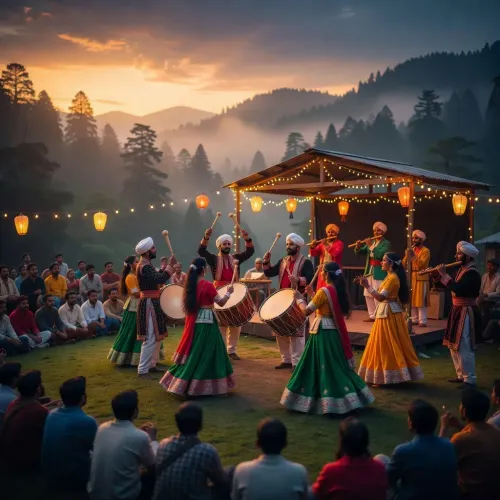
The fair is described as an expression of folk faith, customs, and divine traditions unique to Solan district .
The office highlighted the mela's role in preserving cultural heritage, social unity, and communal brotherhood .
The Shoolini Mela is one of Himachal Pradesh's most significant annual religious and cultural gatherings, held each June .
State governments in India routinely use such messaging to reinforce the civic and cultural value of deity-centric fairs.
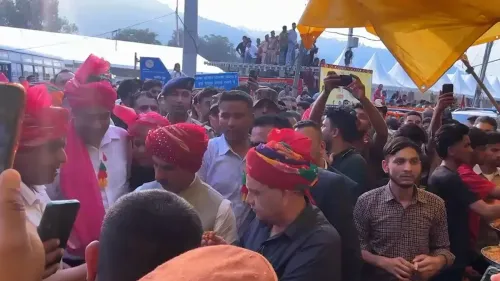
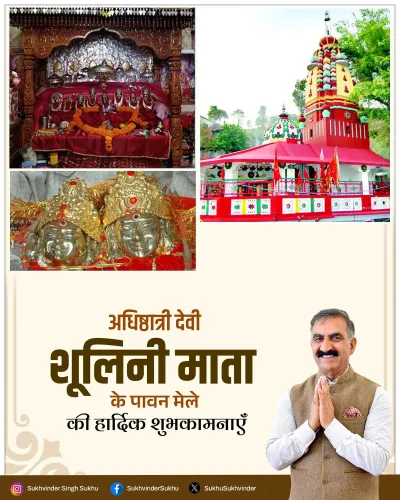
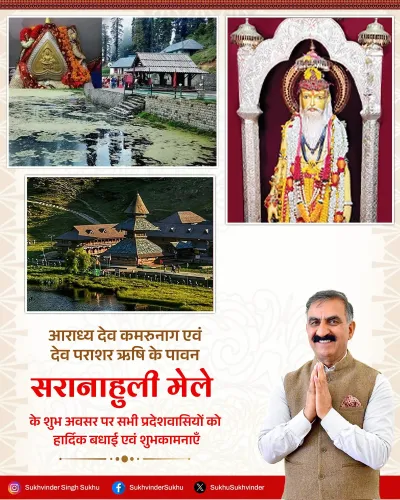
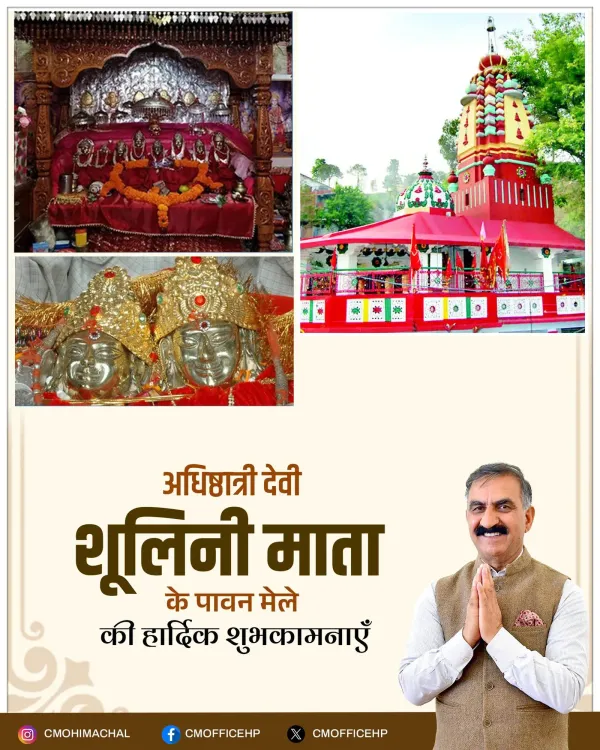
The Chief Minister's Office of Himachal Pradesh on Friday, 26 June 2026 paid tribute to the Shoolini Mata fair in Solan, describing the annual event as a beautiful expression of folk faith, customs, and divine traditions that also serves as a vital medium for preserving cultural heritage, social unity, and communal brotherhood.
The post, shared in Hindi, states: 'Devi Shoolini Mata ka pawan mela hamari lok aastha, riti-riwazon aur divya paramparaon ki sundar abhivyakti hai' — 'The sacred fair of Goddess Shoolini Mata is a beautiful expression of our folk faith, customs, and divine traditions.' The office further noted that the fair is an important medium for preserving 'our cultural heritage, social unity, and mutual brotherhood.'
Context
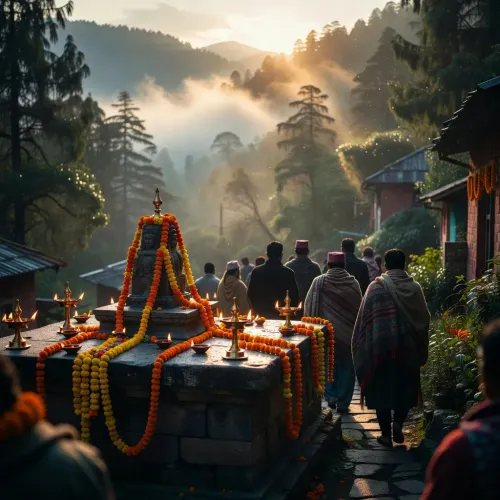
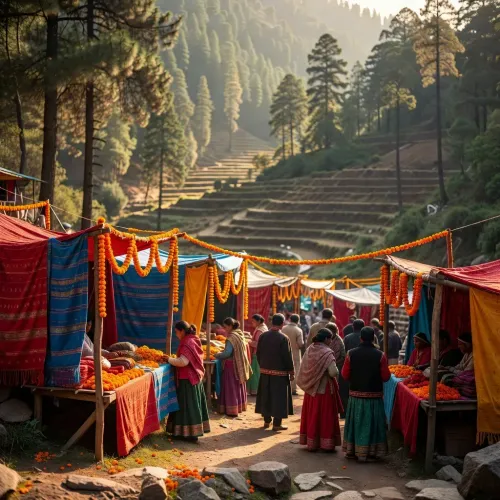
The Shoolini Mela is one of Himachal Pradesh's most prominent annual religious and cultural gatherings, centred on the worship of Devi Shoolini Mata, the presiding deity of Solan district. Held each year in June, the fair draws large numbers of devotees from across the region and serves as a convergence point for local folk traditions, rituals, and community participation. Solan, often called the 'Mushroom City of India', is located in the lower hills of Himachal Pradesh and holds the Shoolini fair as a defining feature of its civic and spiritual calendar.
Policy Backdrop
State governments across India have long used official platforms to affirm the cultural significance of deity-centric fairs, framing them as living institutions that sustain regional identity and social cohesion. Himachal Pradesh in particular maintains a consistent practice of recognising its numerous melas and jatras through official messaging, reinforcing their role beyond religious observance — as forums for folk art, local commerce, and inter-community interaction. The state's cultural and tourism departments periodically feature such fairs in heritage promotion calendars and grant frameworks aimed at sustaining traditional practices.
Stakeholders and Impact
The fair's primary stakeholders are the devotees and residents of Solan and surrounding areas of Himachal Pradesh, for whom the Shoolini Mela represents an annual reaffirmation of shared faith and local identity. Artisans, traders, and folk performers who participate in the fair also benefit from the platform it provides for showcasing traditional crafts and cultural expressions. Official acknowledgement from the Chief Minister's Office lends institutional visibility to the event, signalling state-level support for its continuation and cultural relevance.
What's Next
The government's public recognition of the Shoolini Mela may prompt closer coordination between the state's cultural and tourism departments on heritage preservation measures tied to traditional fairs in coming seasons. Observers of Himachal Pradesh's cultural policy will watch whether such messaging translates into concrete support — such as grants, infrastructure, or documentation initiatives — for community-run religious fairs across the state. The broader pattern suggests that fairs like Shoolini are increasingly being positioned as anchors of both cultural continuity and community harmony in official state discourse.
Point of View
Where dozens of deity fairs anchor community life across districts, such messaging also serves a soft tourism and heritage diplomacy function. The framing — centred on folk faith and tradition rather than any specific government scheme — keeps the communication broad and non-partisan, appealing across communities. The question is whether these ceremonial affirmations will be followed by substantive policy support for the preservation of such fairs.
NationPress
24 Sept 2026
Frequently Asked Questions
What is the Shoolini Mata fair in Himachal Pradesh?
The Shoolini Mata fair, also called the Shoolini Mela, is a major annual religious and cultural event held in Solan district of Himachal Pradesh, dedicated to Devi Shoolini Mata, the presiding local deity. It draws devotees from across the region and showcases folk traditions, rituals, and community gatherings every June.
Where is the Shoolini Mela held?
The Shoolini Mela is held in Solan , a town in the lower hills of Himachal Pradesh , which is also known as the 'Mushroom City of India.'
What did the HP Chief Minister's Office say about the Shoolini Mata fair?
The Chief Minister's Office of Himachal Pradesh described the Shoolini Mata fair as a beautiful expression of folk faith, customs, and divine traditions, and as an important medium for preserving cultural heritage, social unity, and communal brotherhood.
When is the Shoolini Mela celebrated?
The Shoolini Mela is celebrated annually in June in Solan, Himachal Pradesh.
Why is the Shoolini Mela culturally significant?
The Shoolini Mela is significant because it brings together devotees, artisans, folk performers, and traders, serving as a living institution that sustains regional identity, folk religion, and inter-community social bonds in Himachal Pradesh.