HP CM Office Chairs Agriculture Meet, Eyes Natural Farming Lead
Synopsis
The Chief Minister's Office of Himachal Pradesh chaired an Agriculture Department meeting in Shimla on 4 July 2026, directing officials to work with full commitment toward making Himachal Pradesh India's leading state in natural farming — a goal rooted in the state's horticulture economy and ecological priorities.
Key Takeaways
The Chief Minister's Office of Himachal Pradesh chaired an Agriculture Department meeting in Shimla on 4 July 2026 .
The state government's stated goal is to make Himachal Pradesh the number-one state in India for natural farming adoption.
Officials were directed to pursue this agenda with 'full efficiency and commitment.' Natural farming eliminates synthetic fertilisers and pesticides, reducing input costs and improving soil health.
Himachal Pradesh's push aligns with a broader national pattern of sub-national governments leading on sustainable agriculture.
Progress on area coverage, farmer training, and budget allocations will be the key metrics to watch.
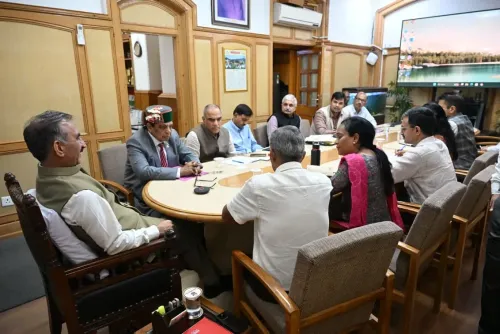
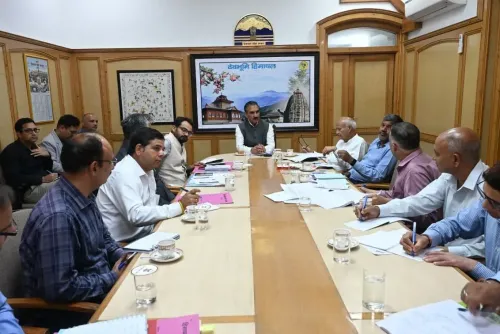
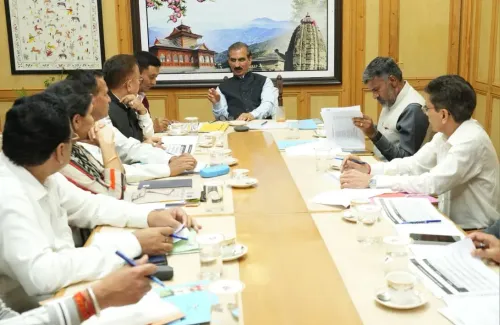
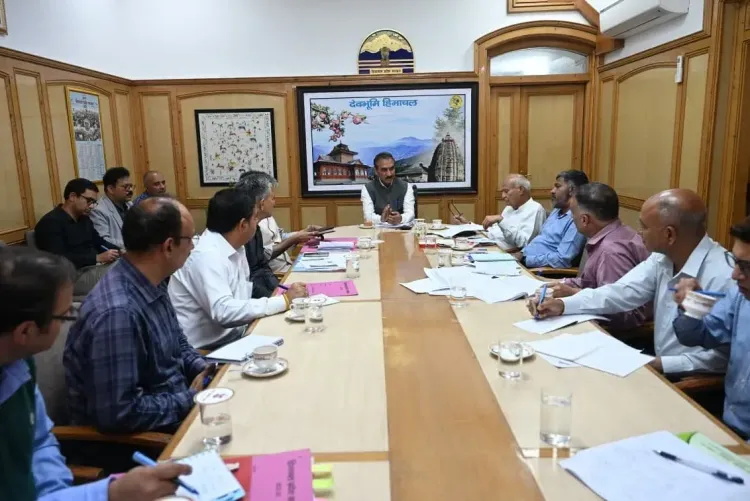
The Chief Minister's Office of Himachal Pradesh on Saturday, 4 July 2026, announced that a high-level meeting of the state's Agriculture Department was chaired in Shimla, reaffirming the government's commitment to making Himachal Pradesh the country's foremost state in natural farming.
The post, shared from the official CMO account, stated: 'Aaj Shimla mein Krishi Vibhag ki baithak ki adhyakshata ki' ('Today, presided over a meeting of the Agriculture Department in Shimla'). Officials were directed to work with 'full efficiency and commitment' toward the goal of positioning Himachal Pradesh as the number-one state in natural farming in India.
Context
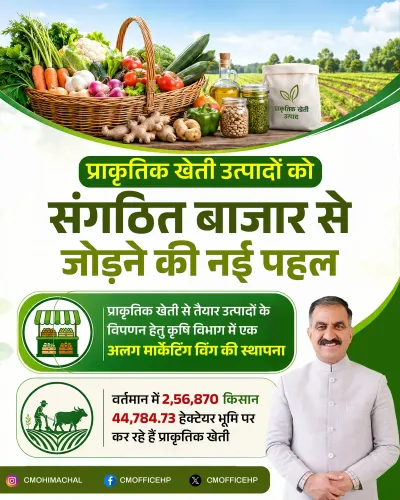
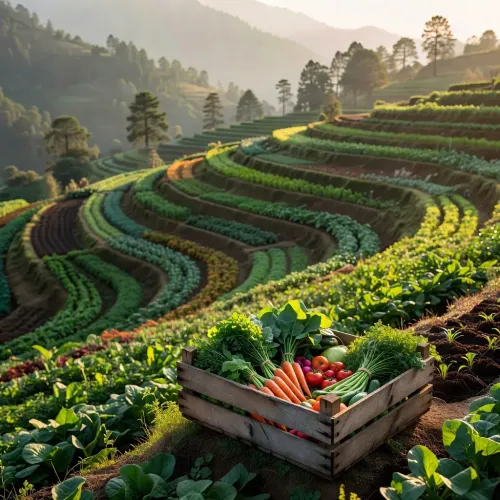
The meeting underscores the state government's sustained push to transition its agricultural sector away from chemical inputs. Natural farming — a practice that eliminates synthetic fertilisers and pesticides in favour of locally sourced biological inputs — has been a stated priority for Himachal Pradesh since the early 2020s, when the government outlined plans to convert large tracts of farmland to the model. The Himalayan state's mountainous terrain and horticulture-driven economy make it a natural candidate for such a shift, given the sensitivity of its water sources and soil ecosystems.Policy Backdrop
Himachal Pradesh's ambition to lead the country on natural farming fits into a wider national conversation. Several Indian states have rolled out zero-budget or chemical-free farming programmes in response to growing concerns over soil degradation, pesticide residue in produce, and climate vulnerability in farming communities. The central government has also promoted organic and natural farming clusters under various national schemes, creating a policy environment broadly supportive of such transitions. For Himachal Pradesh, the alignment is particularly strategic: the state's premium horticulture produce — notably apples and off-season vegetables — commands higher market value when grown without synthetic chemicals, directly benefiting farm incomes.Stakeholders and Impact
The primary beneficiaries of a successful natural farming transition would be Himachal Pradesh's farming communities, who stand to gain from reduced input costs and access to premium markets for certified natural produce. Agriculture department officials were specifically instructed at the Shimla meeting to pursue this agenda with 'full efficiency and commitment' — language that signals accountability expectations from the top. Soil health restoration and reduced chemical runoff into the state's rivers and reservoirs represent broader environmental dividends for the region's ecology and downstream water users.What's Next
The immediate focus will be on how the Agriculture Department translates the meeting's directives into measurable targets — including area coverage under natural farming, farmer training programmes, and any dedicated budget allocations in subsequent departmental reviews. Progress on these fronts will determine whether Himachal Pradesh can substantiate its claim to national leadership in the practice. Observers will watch for follow-up announcements on scheme implementation timelines and extension outreach to farming households across the state's diverse agro-climatic zones.Point of View
Environment-conscious state at a time when sustainable agriculture is gaining traction nationally. By directing officials to act with 'full efficiency and commitment,' the government is also signalling internal accountability, aware that past announcements on natural farming have not always translated into verifiable ground-level change. The strategic fit is real: the state's premium horticulture sector stands to gain commercially from a certified-natural brand identity. Whether the ambition survives the friction of large-scale farmer transition — which requires sustained extension support and market linkages — will be the true test of this policy arc.
NationPress
3 Oct 2026
Frequently Asked Questions
What is natural farming and why is Himachal Pradesh promoting it?
Natural farming is a chemical-free agricultural practice that relies on locally sourced biological inputs instead of synthetic fertilisers and pesticides. Himachal Pradesh is promoting it to reduce farmer input costs, restore soil health, and leverage premium market demand for chemical-free produce, especially in its horticulture sector.
What was decided at the Himachal Pradesh Agriculture Department meeting in Shimla on 4 July 2026?
The Chief Minister's Office chaired the meeting and directed agriculture officials to work with full efficiency and commitment toward making Himachal Pradesh the leading state in India for natural farming adoption.
Is Himachal Pradesh already the top state in natural farming in India?
No — making Himachal Pradesh the country's foremost natural farming state is the government's stated goal, not a current status. The state has been working toward this objective since the early 2020s.
How does natural farming benefit farmers in Himachal Pradesh?
Natural farming can lower input costs by eliminating purchased chemical fertilisers and pesticides, and it can open access to premium markets for certified natural produce, which is particularly valuable for Himachal Pradesh's apple and off-season vegetable growers.
Which other Indian states have natural or zero-budget farming programmes?
Several states across India have introduced natural or zero-budget farming initiatives to address soil degradation and pesticide concerns. Himachal Pradesh's push fits a wider sub-national trend, with the central government also supporting organic and natural farming clusters through national schemes.