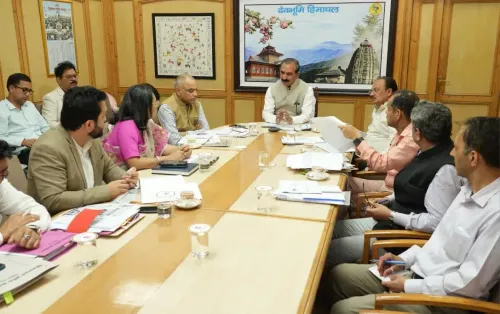
HP CM Office Chairs Tribal, Horticulture Dept Review in Shimla
Synopsis
The Chief Minister's Office of Himachal Pradesh chaired a joint review of the Tribal Development and Horticulture Departments in Shimla on 23 June 2026, directing officials to strengthen welfare scheme delivery, increase farmer benefits, fill vacant posts, and bolster the rural economy.
Key Takeaways
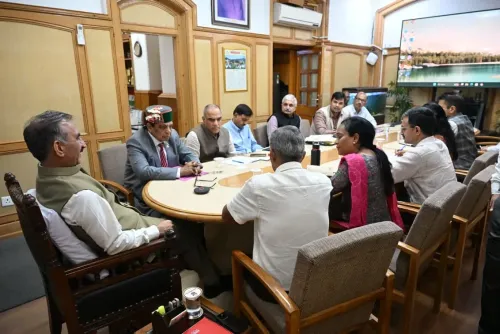
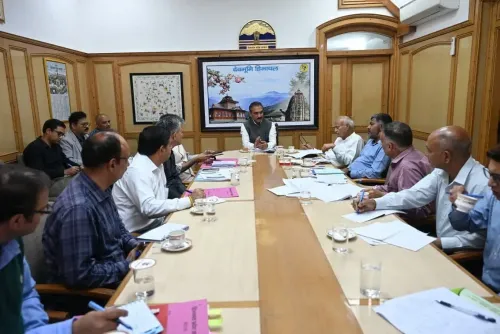
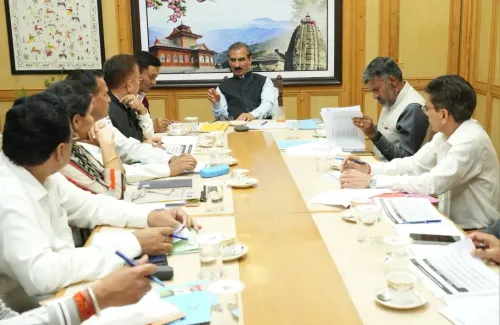
The Chief Minister's Office of Himachal Pradesh chaired a review meeting of the Tribal Development and Horticulture Departments in Shimla on 23 June 2026 .
The meeting stressed effective implementation of welfare schemes targeting tribal and rural communities.
Officials were directed to ensure greater benefits reach farmers , particularly in tribal belts such as Kinnaur , Lahaul-Spiti , and Chamba .
Filling vacant posts in both departments was flagged as a priority to improve last-mile service delivery.
Strengthening the rural economy through coordinated departmental action was a central theme of the session.
Outcomes will be tracked through upcoming recruitment notifications and state budget allocations for the two departments.
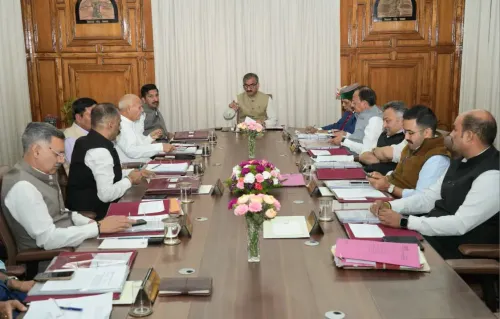
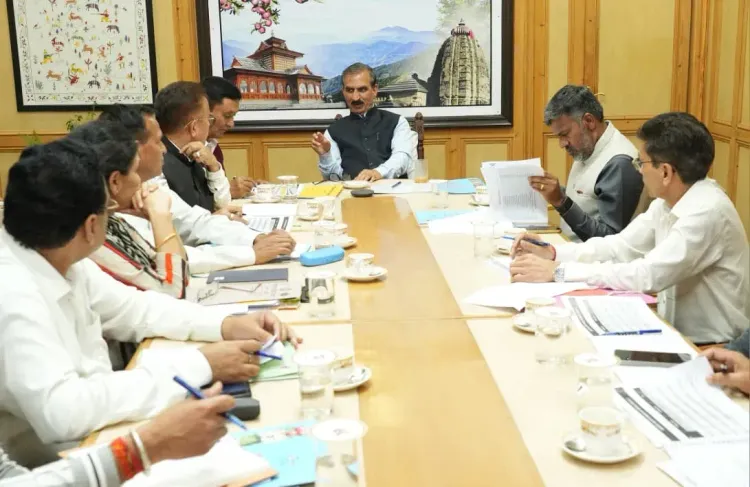
The Chief Minister's Office of Himachal Pradesh on Tuesday, 23 June 2026 chaired a review meeting of the Tribal Development and Horticulture Departments in Shimla, focusing on welfare scheme delivery, farmer benefits, vacancy filling, and rural economic strengthening.
The post, shared from the official CMO Himachal Pradesh handle, stated in Hindi: 'शिमला में जनजातीय विकास एवं बागवानी विभागों की बैठक की अध्यक्षता की' — ('Chaired a meeting of the Tribal Development and Horticulture Departments in Shimla'). The session placed emphasis on 'effective implementation of welfare schemes, ensuring greater benefits to farmers, filling vacant posts, and strengthening the rural economy.'
Context
The meeting brought together two departments whose mandates are closely intertwined in Himachal Pradesh. A significant share of the state's tribal population — concentrated in districts such as Kinnaur, Lahaul-Spiti, and parts of Chamba — depends on temperate fruit cultivation, particularly apple and stone-fruit crops, for their primary income. Convening both departments under a single review signals an intent to align welfare delivery with agricultural support at the field level. The Tribal Development Department administers programmes in scheduled tribal areas, while the Horticulture Department supports growers of apples, stone fruits, and off-season vegetables — crops that underpin rural livelihoods across the state's higher-altitude belts.Policy Backdrop
Himachal Pradesh has integrated Tribal Sub-Plan provisions into its state budgets since the 1970s, earmarking funds specifically for scheduled tribal areas to ensure equitable public expenditure. On the horticulture side, the National Horticulture Mission, launched in 2005, expanded area, production, and post-harvest infrastructure across states including Himachal Pradesh, giving the department a robust central-scheme framework to draw from. Inter-departmental reviews of this kind are a standard governance mechanism in Indian states, used to audit last-mile delivery, identify bottlenecks in scheme rollout, and fast-track pending administrative actions such as recruitment. The specific mention of filling vacant posts points to a recognised challenge in hill-state governance, where staffing gaps in remote postings can slow programme implementation considerably.Stakeholders and Impact
The primary beneficiaries of decisions taken at such a meeting are tribal farmers and horticulture growers across Himachal Pradesh's rural and semi-urban belts. Effective scheme implementation in the Tribal Development Department can translate into improved access to subsidies, scholarships, and infrastructure in areas that are geographically difficult to reach. For horticulture growers, stronger departmental capacity means faster disbursal of input subsidies, better cold-chain support, and more responsive extension services during critical crop seasons. Filling departmental vacancies is also significant for rural communities that depend on government field officers for scheme enrolment, grievance redressal, and technical guidance.What's Next
Attention will now turn to whether the review translates into concrete administrative orders — particularly recruitment notifications for vacant posts in both departments and revised targets for welfare scheme coverage in tribal belts. State budget allocations for the next financial year and any new circulars from the Tribal Development and Horticulture Departments will be closely watched by farmer groups and tribal welfare advocates. The meeting's outcomes, if formalised, could set the pace for rural economic policy in Himachal Pradesh through the remainder of 2026.Point of View
Tribal welfare and horticultural livelihoods are inseparable. The explicit call to fill vacant posts is telling — staffing gaps in hill-state departments have long been identified as a structural bottleneck in welfare delivery, and flagging it publicly signals accountability intent. Placed in the broader national context of states racing to improve scheme saturation metrics, this meeting fits a pattern of pre-budget departmental audits designed to course-correct before annual allocations are finalised. Whether the review yields measurable outcomes will depend on follow-through in recruitment and field-level monitoring.
NationPress
22 Sept 2026
Frequently Asked Questions
What was discussed at the HP Tribal Development and Horticulture Department meeting in Shimla?
The meeting, chaired by the Chief Minister's Office of Himachal Pradesh on 23 June 2026, focused on effective implementation of welfare schemes, increasing benefits to farmers, filling vacant posts in both departments, and strengthening the rural economy.
Which districts in Himachal Pradesh are covered by the Tribal Development Department?
The Tribal Development Department primarily covers scheduled tribal areas including Kinnaur, Lahaul-Spiti, and parts of Chamba district in Himachal Pradesh.
What is the National Horticulture Mission and does it apply to Himachal Pradesh?
The National Horticulture Mission was launched in 2005 to expand horticultural production, area, and post-harvest infrastructure across India; Himachal Pradesh is among the states that benefit from this central scheme.
Why are vacant posts in HP government departments a concern?
Staffing vacancies in hill-state departments slow down welfare scheme delivery and reduce access to government services in remote tribal and rural areas, making recruitment a recurring administrative priority.
What is the Tribal Sub-Plan in Himachal Pradesh?
The Tribal Sub-Plan is a budget provision integrated into Himachal Pradesh state budgets since the 1970s that earmarks funds specifically for welfare and development in scheduled tribal areas of the state.