HP CM Sukhu Chairs Labour Dept Review in Shimla
Synopsis
Chief Minister Sukhvinder Singh Sukhu chaired a review of Himachal Pradesh's Labour and Employment Department in Shimla on 10 June 2026, directing officials to ensure effective, time-bound delivery of all welfare schemes to eligible beneficiaries across the state.
Key Takeaways
CM Sukhvinder Singh Sukhu chaired a review meeting of the Labour and Employment Department in Shimla on 10 June 2026 .
Officials were directed to ensure effective and time-bound implementation of all welfare schemes for eligible beneficiaries.
The Labour and Employment Department administers welfare programmes for construction workers and unorganised sector labourers .
Himachal Pradesh's hilly terrain poses structural challenges to last-mile welfare delivery, making CM-level oversight significant.
The review continues a pattern of periodic departmental accountability exercises initiated after the December 2022 election.
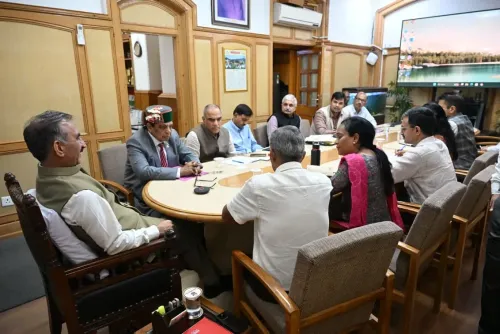
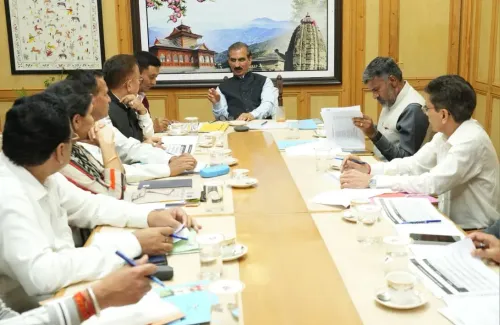
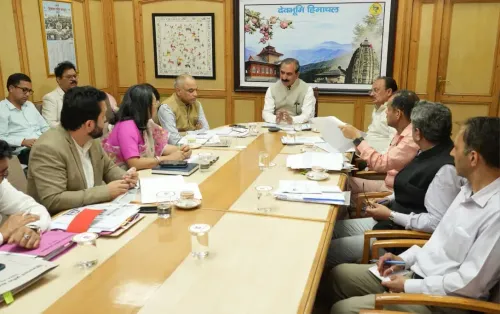
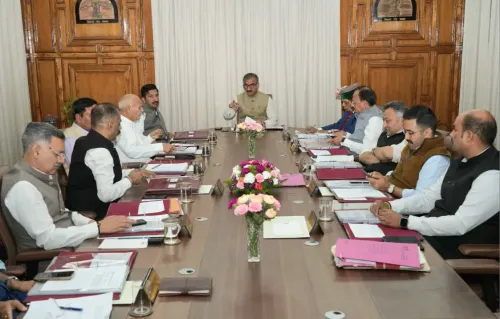
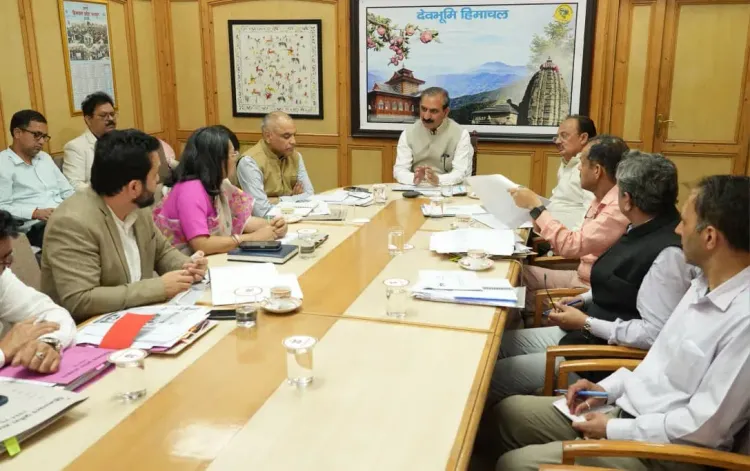
The Chief Minister's Office of Himachal Pradesh announced on Wednesday, 10 June 2026 that Chief Minister Sukhvinder Singh Sukhu chaired a review meeting of the Labour and Employment Department in Shimla, directing officials to ensure effective and time-bound delivery of all welfare schemes to eligible beneficiaries.
Context
The Chief Minister's Office posted in Hindi: 'शिमला में श्रम एवं रोजगार विभाग की समीक्षा बैठक की अध्यक्षता की। अधिकारियों को निर्देश दिए कि पात्र लाभार्थियों तक सभी कल्याणकारी योजनाओं का प्रभावी एवं समयबद्ध क्रियान्वयन सुनिश्चित किया जाए।' ['Chaired a review meeting of the Labour and Employment Department in Shimla. Officials were directed to ensure effective and time-bound implementation of all welfare schemes to eligible beneficiaries.'] The meeting flagged the importance of closing delivery gaps that prevent workers from accessing state-run benefits.
Shimla, the state capital, is the routine venue for senior-level departmental reviews. The Labour and Employment Department is the nodal body for enforcing labour laws and administering welfare programmes targeting the state's large informal workforce.
Policy Backdrop
Since the Congress government came to power in December 2022 under CM Sukhu, the administration has instituted periodic departmental reviews aimed at improving last-mile delivery of welfare schemes. Himachal Pradesh's geography — marked by remote hills and dispersed settlements — makes scheme outreach structurally challenging.
The review aligns with a broader national push to extend social security coverage to construction workers, migrant labourers, and tourism-sector employees who form a significant share of the state's unorganised workforce. Central frameworks such as the Building and Other Construction Workers (BOCW) Act and the Unorganised Workers' Social Security Act mandate state-level implementation, making departmental oversight meetings a regulatory necessity.
Stakeholders and Impact
The primary beneficiaries of the Labour and Employment Department's schemes are construction workers and unorganised sector labourers — groups that often face delays in registration, benefit disbursal, and grievance redressal. Timely implementation directives from the CM-level can accelerate clearances and plug administrative bottlenecks.
For workers in remote districts, the emphasis on 'time-bound implementation' is particularly significant. Delayed welfare transfers can mean loss of livelihood support during lean seasons, making CM-level accountability a practical safeguard for vulnerable households.
What's Next
The government is expected to publish detailed minutes of the meeting and any follow-up performance targets for scheme coverage across districts. Monitoring of enrolment numbers under key labour welfare boards and disbursal data will indicate whether the directives translate into measurable improvements on the ground.
Sustained accountability at the departmental level — backed by regular review cycles — will be critical to ensuring that Himachal Pradesh's welfare architecture reaches the workers it is designed to serve.
Point of View
The real test will be whether these directives produce measurable improvements in enrolment and disbursal data, or remain procedural exercises.
NationPress
29 Jul 2026
Frequently Asked Questions
What did CM Sukhu do at the Labour Department review meeting in Shimla?
CM Sukhvinder Singh Sukhu chaired a review meeting of the Labour and Employment Department in Shimla on 10 June 2026 and directed officials to ensure effective, time-bound implementation of all welfare schemes for eligible beneficiaries.
Which workers benefit from Himachal Pradesh Labour Department welfare schemes?
The primary beneficiaries are construction workers and unorganised sector labourers, including migrant and tourism-sector workers who are covered under state and central welfare frameworks.
Why are welfare scheme reviews important in Himachal Pradesh?
Himachal Pradesh's remote hilly geography makes last-mile delivery of welfare schemes difficult, so CM-level review meetings help identify and address administrative bottlenecks that delay benefits from reaching eligible workers.
What is the Labour and Employment Department of Himachal Pradesh?
It is the state government department responsible for enforcing labour laws and administering welfare programmes for workers, particularly those in the unorganised and construction sectors.
How often does the Himachal Pradesh government hold departmental review meetings?
Since December 2022, the Sukhu-led government has instituted periodic departmental review cycles to monitor welfare scheme delivery, though the specific frequency varies by department.