CM Sukhu Chairs Tribal, Horticulture Review in Shimla
Synopsis
Chief Minister Sukhvinder Singh Sukhu chaired a joint review of Himachal Pradesh's Tribal Development and Horticulture Departments in Shimla on 23 June 2026, directing officials to accelerate Forest Rights Act claim settlements, extend MSP to chemical-free produce, diversify fruit crops under HP-SHIVA, and upgrade facilities at four Eklavya residential schools serving 1,013 tribal students.
Key Takeaways
636 individual and 20 community forest land claims approved under the Forest Rights Act, 2006 between March 2023 and March 2026 .
2,259.24 hectares of land transferred to claimants in settlement of those rights.
State government providing minimum support price on chemical-free agricultural produce to promote natural farming.
HP-SHIVA project directed to expand fruit-crop variety and improve technical support for horticulture growers.
Facilities for 1,013 students at four Eklavya Model Residential Schools — Nichar, Pangi, Bharmour, and Lahaul — to be upgraded.
Cabinet Minister Jagat Singh Negi and senior officials attended the Shimla review meeting.
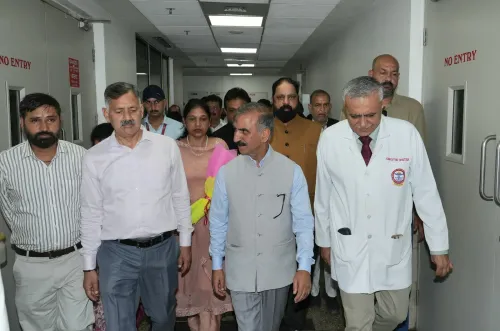
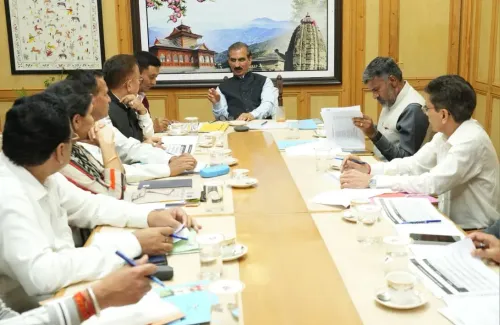
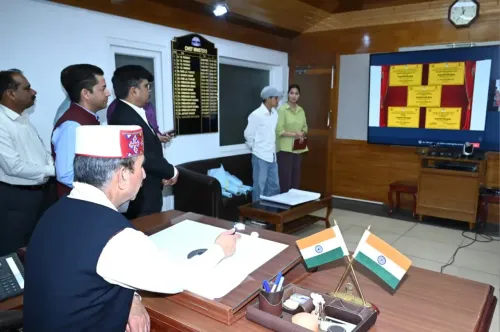
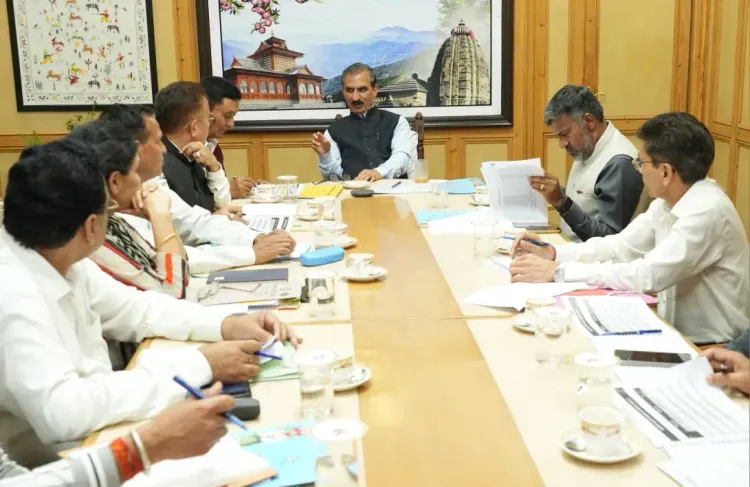
Himachal Pradesh Chief Minister Sukhvinder Singh Sukhu on Tuesday, 23 June 2026, chaired a joint departmental review of the Tribal Development and Horticulture Departments in Shimla, directing officials to accelerate welfare scheme implementation, fill vacant posts, and strengthen the rural economy.
Context
Addressing the meeting, CM Sukhu emphasised that farmers and horticulture growers must receive maximum benefit from existing government programmes. He also called for a sharper focus on filling departmental vacancies, which he described as a bottleneck in effective delivery of services to rural and tribal communities.
The Chief Minister stated that the state government is providing a minimum support price (MSP) on chemical-free agricultural produce to encourage natural farming — a policy thrust that the Himachal Pradesh government has pursued since coming to power in December 2022.
Policy Backdrop
A significant portion of the review focused on the Forest Rights Act, 2006, the central legislation that vests forest land rights with scheduled tribes and traditional forest-dwelling communities. According to figures presented at the meeting, between March 2023 and March 2026, a total of 636 individual claims and 20 community claims were approved under the Act, with 2,259.24 hectares of land transferred in settlement of those claims.
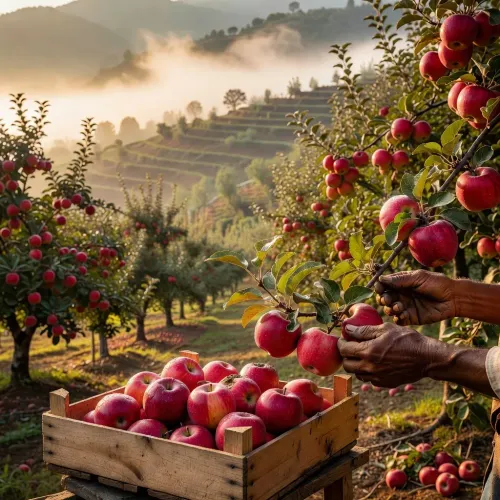
The HP-SHIVA project — the state's horticulture initiative aimed at fruit-crop diversification — was also reviewed. CM Sukhu directed officials to promote a wider variety of fruit crops and to make better technical support available to growers, signalling an intent to move beyond the dominant apple monoculture in Himachal Pradesh's hill districts.
Stakeholders and Impact
The review covered the functioning of four Eklavya Model Residential Schools (EMRS) — located at Nichar, Pangi, Bharmour, and Lahaul — which together serve 1,013 students from tribal communities in some of the state's most remote regions. The Chief Minister instructed that better facilities be made available at all four schools, in line with the central scheme's mandate for quality residential education for tribal children.
Cabinet Minister Jagat Singh Negi and senior departmental officials were present at the meeting. Negi, who holds the Tribal Development portfolio, has been a key figure in coordinating land-rights implementation across the state's tribal belts.
What's Next
The immediate follow-up will centre on the timeline for filling departmental vacancies and the actual disbursement of MSP for natural farming produce in the current financial year. Infrastructure upgrades at the four named Eklavya schools and progress on HP-SHIVA crop-diversification targets are also expected to be tracked in subsequent reviews. The convergence of forest land titling, residential schooling, and chemical-free horticulture incentives reflects a broader state strategy to build more resilient livelihoods in Himachal Pradesh's tribal and hill districts.
Point of View
259 hectares in three years is a measurable output, but the real test will be whether MSP disbursements for natural-farming produce reach growers before the next cropping season. The push to diversify beyond apples under HP-SHIVA addresses a long-standing vulnerability in the state's hill economy, though technical extension capacity in remote tribal districts remains a structural constraint. Upgrading Eklavya schools in areas like Pangi and Lahaul also carries symbolic weight for a government keen to demonstrate delivery to constituencies that have historically felt overlooked.
NationPress
22 Sept 2026
Frequently Asked Questions
What is the HP-SHIVA project in Himachal Pradesh?
HP-SHIVA is a Himachal Pradesh government horticulture initiative focused on diversifying fruit crop varieties and providing technical support to growers, with the goal of reducing dependence on a single crop like apples.
How many Forest Rights Act claims were approved in Himachal Pradesh between 2023 and 2026?
According to figures presented at the June 2026 departmental review, 636 individual claims and 20 community claims were approved under the Forest Rights Act, 2006, with 2,259.24 hectares of land transferred in settlement.
What are Eklavya Model Residential Schools?
Eklavya Model Residential Schools (EMRS) are centrally funded residential schools designed to provide quality education and facilities to tribal students in remote areas. In Himachal Pradesh, four such schools — at Nichar, Pangi, Bharmour, and Lahaul — together serve 1,013 students .
What is Himachal Pradesh's policy on natural farming?
The Himachal Pradesh government is providing a minimum support price (MSP) on chemical-free agricultural produce to encourage farmers to shift to natural farming, a policy it has promoted since taking office in December 2022.
Who is Jagat Singh Negi in Himachal Pradesh politics?
Jagat Singh Negi is a cabinet minister in the Himachal Pradesh government holding the Tribal Development portfolio, and was present at the June 2026 departmental review chaired by Chief Minister Sukhu in Shimla.