HP Wins Historic BBMB Arrears Battle, CM Office Celebrates
Synopsis
Himachal Pradesh has won a historic victory in its long-running arrears dispute with the Bhakra Beas Management Board, with the Chief Minister's Office declaring the entire state is celebrating the outcome of a multi-year struggle rooted in the Punjab Reorganisation Act of 1966.
Key Takeaways
Himachal Pradesh has secured a victory in its arrears dispute with the Bhakra Beas Management Board (BBMB) , according to the state's Chief Minister's Office.
The BBMB was created under the Punjab Reorganisation Act of 1966 to manage Bhakra, Nangal and Beas projects located inside Himachal Pradesh.
Himachal has long sought higher compensation — royalty or financial arrears — for hosting major dam and power infrastructure on its territory.
The dispute is one of India's most enduring inter-state resource conflicts, involving central statutory bodies and multiple partner states.
The exact quantum of arrears, the deciding forum and the disbursement timeline have not yet been officially detailed in the public record.
Finance department orders and state budget statements in the coming weeks are expected to clarify how the funds will be utilised.
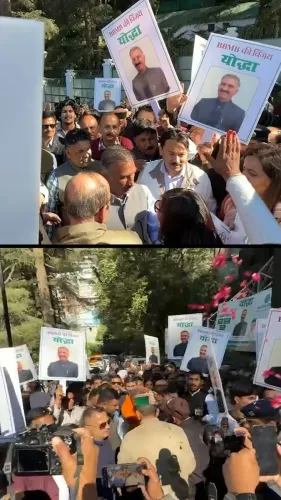
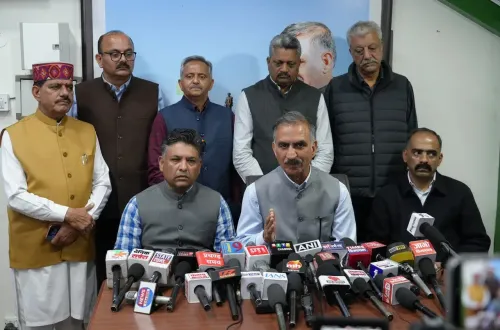
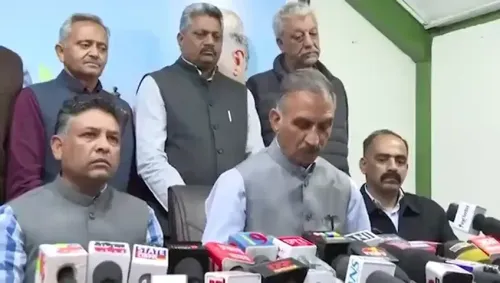
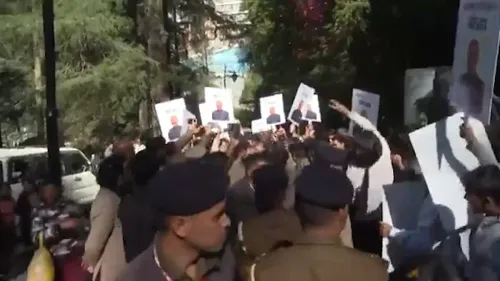
After years of persistent legal and administrative struggle, Himachal Pradesh has secured what the state's government is calling a historic victory in its long-running arrears dispute with the Bhakra Beas Management Board (BBMB) — and on Saturday, 7 November 2026, the Chief Minister's Office of Himachal Pradesh made clear the entire state is celebrating.
The CMO's post captured the mood in plain terms: 'BBMB ke arrear mamle mein Himachal Pradesh ki aitihasik jeet par aaj poora Pradesh khushi se jhoom raha hai' — 'Today the entire state is rejoicing over Himachal Pradesh's historic victory in the BBMB arrears matter. The excitement of this success, achieved after years of struggle, is something else entirely.'
What the BBMB Dispute Is Actually About
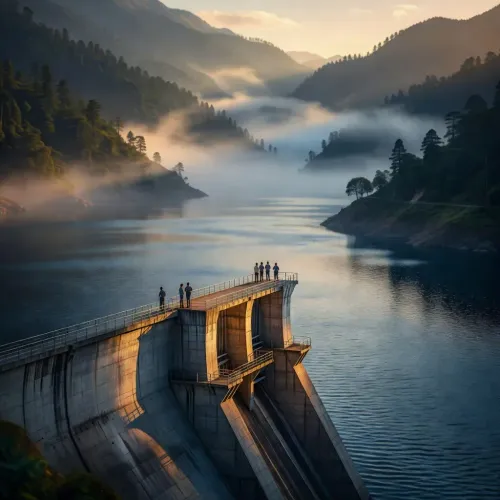
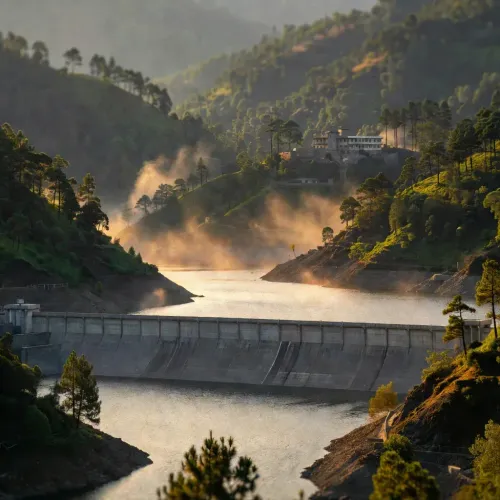
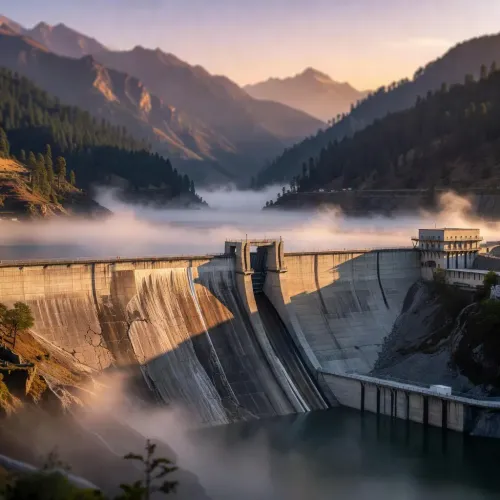
The Bhakra Beas Management Board is a statutory body created under the Punjab Reorganisation Act of 1966 to operate the Bhakra, Nangal and Beas river projects — massive dams and power infrastructure that physically sit inside Himachal Pradesh's territory. The board distributes power and irrigation benefits among partner states including Punjab, Haryana, Rajasthan and Himachal Pradesh.
Himachal has long argued it deserves greater compensation — in the form of royalty or financial arrears — for hosting this infrastructure on its land while other states draw the bulk of the power and water benefits. That argument has been at the heart of one of India's most durable inter-state resource disputes.
Decades of Reorganisation, Decades of Grievance
The roots of this friction stretch back to the very moment Punjab was reorganised in 1966. The shares in power and water fixed at that time did not, in Himachal's view, adequately account for the state's role as the geographic host of the projects. Over the decades, successive state governments raised the arrears claim through multiple forums — a slow grind that the CMO's post now frames as finally paying off.
Inter-state disputes of this kind are notoriously difficult to resolve. They involve overlapping jurisdictions — central statutory bodies, state governments, and sometimes the courts — and any settlement has direct consequences for power tariffs and state finances. A win on arrears can translate into real fiscal headroom for a hill state like Himachal, which depends heavily on central transfers and its own hydro-power revenues.
What Comes Next for Himachal's Finances
The quantum of the arrears awarded, the forum that delivered the ruling, and the precise timeline for disbursement have not been officially detailed in the public record as yet. What the state government has signalled loudly is the political and symbolic weight of the outcome — framing it as vindication of a multi-year effort. Watch for finance department orders and budget statements in the coming weeks that will spell out how and when the funds flow into state accounts.
For a state that has staked much of its economic identity on being the 'power house' of northern India, finally extracting dues from a centrally managed board over projects on its own soil carries meaning well beyond the balance sheet.
Point of View
If it translates into substantial fund flows, could meaningfully ease Himachal Pradesh's chronic fiscal stress — a state that is heavily reliant on central transfers and hydro-power revenues. Politically, the win hands the ruling government a tangible deliverable on a grievance that has animated state politics across party lines for decades, making it difficult for any opposition to dispute its significance. It also signals that hill states hosting central infrastructure are increasingly willing and able to press their financial claims through sustained institutional pressure. The broader question is whether this outcome sets a precedent for similar compensation claims from other resource-rich but revenue-constrained states.
NationPress
7 Nov 2026
Frequently Asked Questions
What is the BBMB arrears dispute with Himachal Pradesh?
The dispute concerns Himachal Pradesh's long-standing claim for financial arrears and royalties from the Bhakra Beas Management Board (BBMB), a central statutory body that operates major dams and power projects physically located inside Himachal's territory, while distributing benefits primarily to Punjab, Haryana and Rajasthan.
What is the Bhakra Beas Management Board (BBMB)?
BBMB is a statutory body established under the Punjab Reorganisation Act of 1966 to manage the Bhakra, Nangal and Beas river projects for power generation and irrigation, serving multiple partner states in northern India.
Why has Himachal Pradesh been fighting for BBMB arrears?
Himachal Pradesh argues that it deserves greater compensation because the major BBMB dams and infrastructure sit within its geographic borders, yet the financial and power benefits have historically flowed disproportionately to other states.
How much money is Himachal Pradesh set to receive from the BBMB arrears?
The exact quantum of arrears has not been officially confirmed in the public record as of the state government's announcement; finance department orders and budget statements are expected to provide those details.
What happens next after Himachal Pradesh's BBMB arrears win?
The state government is expected to issue finance department orders detailing the receipt and utilisation of any arrears. Watchers should track Himachal Pradesh's budget statements for confirmation of when and how the funds enter state accounts.