What Causes the Rise in Human-Wildlife Conflicts in Tamil Nadu?
Synopsis
In Tamil Nadu, human-wildlife conflicts have tragically claimed 685 lives over the last decade, with 43 deaths in 2025 alone. As forest land encroachment escalates, experts warn that technology alone cannot tackle this crisis. Community involvement is crucial for sustainable solutions to ensure coexistence between humans and wildlife.
Key Takeaways
685 fatalities recorded in a decade due to conflicts.
43 deaths reported in 2025 alone.
Community engagement is essential for solutions.
AI systems are being utilized for monitoring wildlife.
Encroachment and habitat loss are major contributors.
Coimbatore, Jan 29 (NationPress) A staggering 685 individuals have perished due to human-wildlife conflicts in Tamil Nadu over the last decade, with 43 fatalities reported just last year, according to senior officials from the forest department. They emphasized that relying solely on technology and enforcement will not solve this escalating crisis.
D. Venkatesh, the Chief Conservator of Forests and Field Director of the Anamalai Tiger Reserve (ATR), stated that reducing conflict levels is impossible without active involvement from local communities residing near forest borders.
The Tamil Nadu forest department recently organized a seminar aimed at addressing human-animal conflict at the Central Academy for State Forest Service in Coimbatore. This seminar was attended by the Principal Chief Conservator of Forests and Head of the Forest Force (HoFF) Srinivas R. Reddy, along with forest officials from various regions including Coimbatore, Hosur, Sathyamangalam, the Nilgiris, Dindigul, Kodaikanal, and Tenkasi. The focus was on collaborative methods for fostering coexistence between humans and wildlife.
Venkatesh pointed out that districts along the Western Ghats, such as Tenkasi, Virudhunagar, Coimbatore, Tirupur, Theni, Salem, Dharmapuri, and Krishnagiri, are experiencing a surge in human-wildlife interactions.
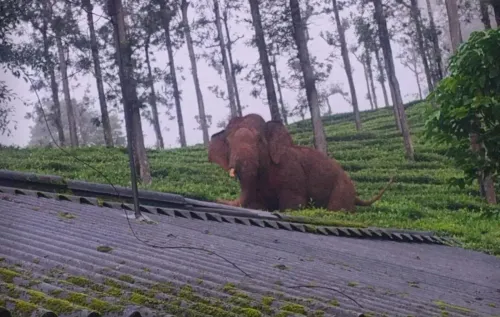
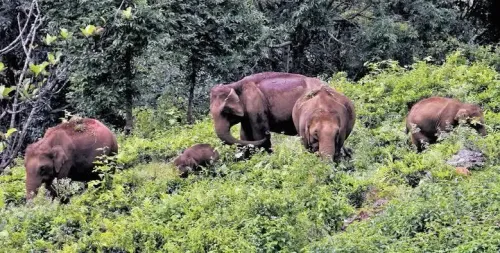
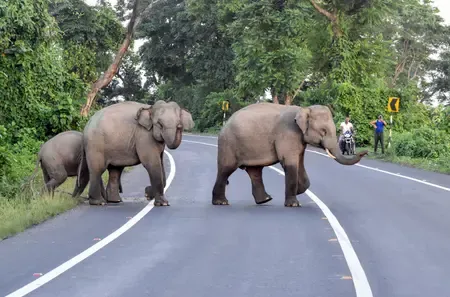
Discussing the ecological reasons behind the increasing conflicts, Venkatesh mentioned that many forest areas that seem lush have transformed into “green deserts” due to invasive plant species that do not support native wildlife. This degradation has disrupted traditional animal movement patterns, leading to more frequent encounters with humans. For instance, elephants that used to be primarily located in the Berijam area of Kodaikanal are now appearing across district lines in Dindigul, an indication of altered migratory paths due to habitat loss and fragmentation.
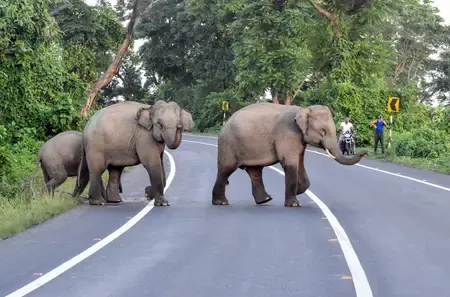
Key factors contributing to this crisis include encroachment of forest land, the transformation of dirt roads into tarred roads that disrupt animal corridors, and the growth of cash crop cultivation near forest edges.
While most deaths occur during accidental encounters, the statement highlighted that human-induced disturbances have significantly heightened the frequency and intensity of conflict situations.
Over the past decade, these conflicts have resulted in 685 fatalities statewide, underscoring the enormity of the issue.
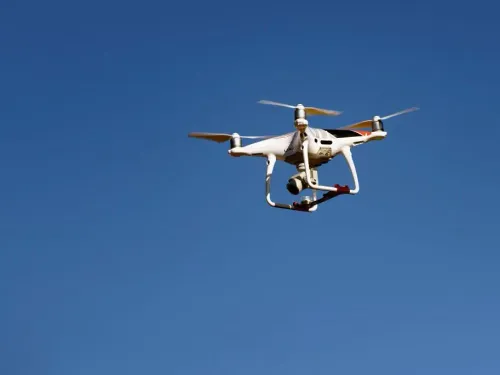
The forest department has initiated ongoing efforts to mitigate conflicts, including deploying artificial intelligence monitoring systems to continuously track elephant movements and provide early warnings to vulnerable communities. However, officials reiterated that the success of these initiatives hinges on community engagement, adherence to guidelines, and long-term habitat conservation efforts.
Point of View
The ongoing human-wildlife conflict in Tamil Nadu highlights the urgent need for a collaborative approach to conservation. It is essential to balance human development with wildlife protection, ensuring that local communities are involved in sustainable practices that benefit both people and nature.
NationPress
25 Sept 2026
Frequently Asked Questions
What is the main cause of human-wildlife conflict in Tamil Nadu?
The primary cause is forest land encroachment, alongside other factors like invasive plant species and habitat fragmentation.
How many fatalities have occurred due to human-wildlife conflict in the last decade?
There have been 685 fatalities due to human-wildlife conflict in Tamil Nadu over the past decade.
What role does community involvement play in mitigating these conflicts?
Active participation from local communities is crucial for reducing conflict levels and ensuring sustainable coexistence with wildlife.
What measures is the forest department taking to address this issue?
The forest department is deploying AI-based monitoring systems to track wildlife movements and provide early warnings to affected communities.
Which regions in Tamil Nadu are most affected by human-wildlife conflict?
Districts along the Western Ghats, including Tenkasi, Coimbatore, and Virudhunagar, are witnessing high incidences of human-wildlife encounters.