What Measures is the TN Forest Department Taking to Address Human-Wildlife Conflict in Valparai?
Synopsis
The Tamil Nadu Forest Department forms a committee to tackle the rising human-wildlife conflict in Valparai. With a focus on infrastructure improvement and waste management, this initiative aims to protect both residents and wildlife, as conflict incidents have tragically claimed many lives in recent years.
Key Takeaways
Establishment of a six-member committee to tackle human-wildlife conflict.
Focus on improving infrastructure and waste management in tea estates.
Immediate directives for safer living conditions for workers.
Efforts to replicate successful models for worker amenities.
Importance of community awareness programs to prevent wildlife encounters.
Chennai, December 17 (NationPress) A six-member committee, led by the Tamil Nadu Forest Department, has been established to confront the rising cases of human-wildlife conflict in the Valparai plateau. The committee has initiated collaborative discussions with various government divisions and estate administrators and is currently working on its recommendations for the government.
The panel, under the leadership of Additional Principal Chief Conservator of Forests S. Rama Subramanian, convened a review meeting with officials from the municipality, revenue, police, and labour sectors at the Valparai Municipal Commissioner’s office.
The focus of these discussions was to enhance essential infrastructure in tea estates, bolster waste management practices, and implement preventive strategies to reduce human-wild animal interactions.
Officials indicated that the committee aims to finalize its report by the week’s end, incorporating the suggestions made during the meeting. However, the state government has allotted the panel a total of 15 days for submission of its findings.
As part of its immediate directives, the committee has mandated the labour department to ensure that estate managements furnish necessary amenities such as adequate lighting, functional toilets, and a secure living environment for workers, particularly for migrant labourers residing near forest boundaries.
Officials identified inadequate infrastructure and poor visibility around residential quarters as significant contributors to wildlife attacks.
Municipal officials were instructed to promptly clear garbage, preventing waste accumulation in open areas. This accumulated waste can lure wild animals into human habitats, thereby heightening the risk of conflict.
The municipality has also been tasked with enhancing lighting, sanitation, and solid waste management, including the disposal of waste generated by tourists visiting Valparai.
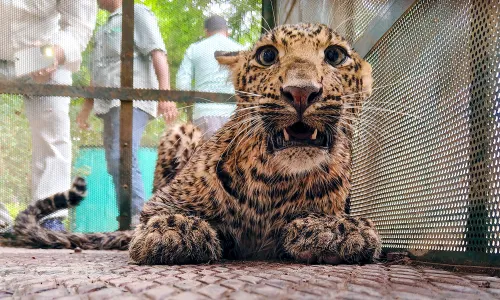
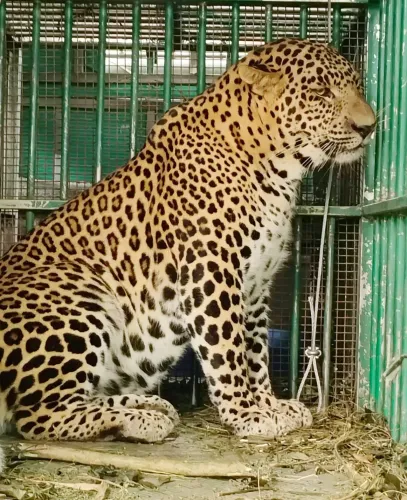
Recently, committee members inspected several tea estates, including the Iyerpadi estate, where a tragic incident occurred involving the death of an eight-year-old boy due to a leopard attack. Additional inspections were conducted at other estates to evaluate the availability of basic facilities and safety measures for workers.
A committee member noted ongoing efforts to replicate the Sakthi estate model, which has successfully provided comprehensive amenities to workers, across other estates in the region. An NGO has also been engaged to conduct awareness programs for migrant workers about safety measures to prevent wildlife encounters.
“Over the past 18 years, more than 60 individuals have lost their lives due to human-animal conflict in the Valparai area,” stated an official.
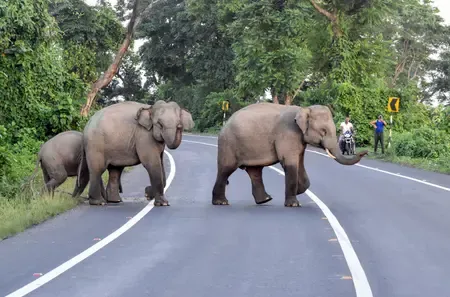
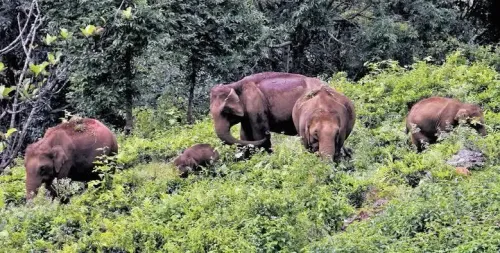
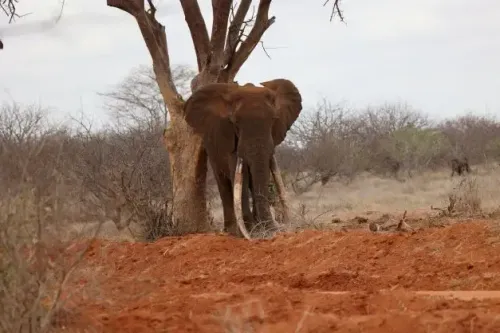
Estate authorities have requested additional manpower and vehicles to deter wild elephants during emergencies.
The panel has instructed estate managements to eliminate bushes around workers’ homes, advising that vegetation should be cleared up to 30 to 40 feet on all sides to enhance visibility and assist residents in detecting movements of animals such as leopards and sloth bears nearby.
Point of View
I observe that the measures being implemented by the Tamil Nadu Forest Department are commendable and necessary. The proactive approach to mitigate human-wildlife conflict reflects an understanding of the complexities involved in cohabiting with nature. It is essential to prioritize safety while preserving wildlife, aligning with the broader goal of sustainable development.
NationPress
19 Sept 2026
Frequently Asked Questions
What is the main goal of the TN Forest Department's committee?
The primary goal is to address the rising incidents of human-wildlife conflict in the Valparai plateau through improved infrastructure and waste management.
What immediate actions are being taken to improve safety for workers?
The committee has instructed estate managements to provide essential amenities, including adequate lighting and safe living conditions for workers, particularly migrant labourers.
How does waste management impact human-wildlife interactions?
Improper waste disposal can attract wild animals into human habitats, increasing the likelihood of conflict.