IMA 1966 batch reunites in Chandigarh to mark 60 years of commissioning
Synopsis
Six decades after marching out of Chetwode Hall, nearly 300 officers of the IMA's 1966 batch — veterans of the 1971 Liberation of Bangladesh and the Kargil War — are reuniting in Chandigarh this week. It is a diamond jubilee that honours both the living and the fallen, and the bonds that no amount of time can break.
Key Takeaways
Veterans of the 37th Regular Course, IMA ( 28th NDA batch, 1966 ) are reuniting in Chandigarh on 14–15 June to mark 60 years of commissioning.
Close to 300 officer cadets were commissioned at Chetwode Hall on 15 June 1966 .
Course veterans saw action in the 1971 Liberation of Bangladesh and the Kargil War ; 29 officers contributed to the book 'War Despatches 1971' .
Lt Gen Mohinder Puri led the capture of Tololing and Tiger Hill during the Kargil War as GOC, 8 Mountain Division .
The batch also produced international polo player Col Kuldeep Singh Garcha and hang-gliding pioneer Lt Col Vivek Mundkur .
Several course mates were martyred in service; the reunion honours both the living and the fallen.
Veterans of the 37th Regular Course of the Indian Military Academy (IMA), drawn from the 28th National Defence Academy (NDA) batch of 1966, are assembling in Chandigarh on 14 and 15 June to mark the diamond jubilee of their commissioning as officers — a milestone that spans six decades of service, sacrifice, and an unbreakable brotherhood forged in olive green.
The Reunion and Its Significance
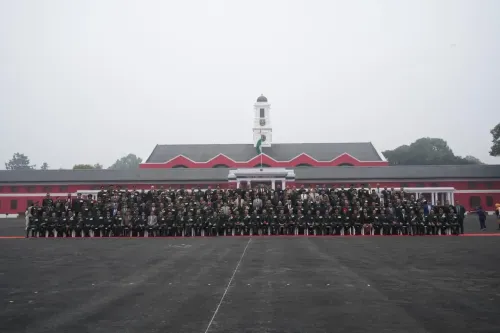
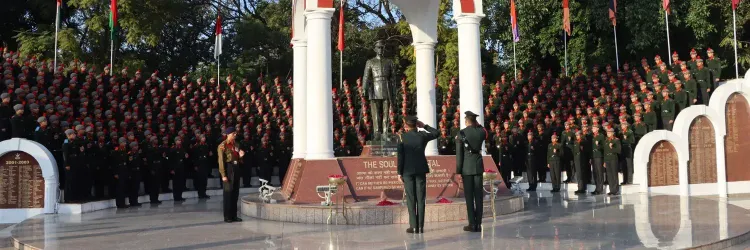
Close to 300 officer cadets marched past the portals of Chetwode Hall on 15 June 1966, with the Chetwode motto etched in their hearts. That historic Pipping Ceremony — where graduating cadets had their rank insignia officially pinned by loved ones — marked the beginning of careers that would take them to the frontlines of India's most defining military engagements.
The motto chosen for this diamond jubilee reunion captures the spirit of the occasion: 'Time can erode the mountains and age can grey the hair, but the bonds forged in olive green only grow stronger with each passing decade.'
From Chetwode Hall to the Theatres of War
Officers of the 1966 course have seen action across multiple theatres, most notably the Liberation of Bangladesh in 1971, the Kargil War, and various other operations aimed at wresting the initiative from adversaries and dismantling forward posts. In 1971, the combined might of the Army, Air Force, and Navy forced an unconditional surrender, culminating in the creation of Bangladesh.
The experiences of 29 course mates who saw action during the 1971 India-Pakistan War have been documented in the book 'War Despatches 1971', which covers operations in both the Eastern and Western Sectors. The volume was edited by Brigadier Balram S. Mehta, the then Vice-Chancellor of the Maharashtra University of Institute of Management and Technology, who also authored 'The Burning Chaffees' — a soldier's first-hand account of the same conflict.
Notable Achievers of the 1966 Batch
The course produced officers who rose to the highest ranks and made their mark well beyond the battlefield. Three stand out in particular.
Lieutenant General Mohinder Puri PVSM, UYSM, as General Officer Commanding of the 8 Mountain Division during the Kargil War, masterminded the counter-offensive that led to the capture of Tololing and Tiger Hill, restoring the sanctity of the Line of Control.
Colonel Kuldeep Singh Garcha distinguished himself as a former polo player representing India and an equestrian of international repute. Lieutenant Colonel Vivek Mundkur, an innovator who built his own glider and mastered the art of flying it, is credited with popularising hang-gliding in India.
Beyond these three, course mates have held prestigious appointments including Army Commander, Corps Commander, heads of training institutions, and positions with UN Peacekeeping Forces.
Honouring Those Who Did Not Return
The reunion also carries a sombre note of remembrance. Several course mates were martyred in service, while others have since passed away from natural causes. Their memory remains central to the gathering, reinforcing the ethos of supreme sacrifice that defines the Indian Army officer corps.
As the veterans of the 1966 batch assemble in Chandigarh this week, they do so not merely to reminisce — but to reaffirm a bond that six decades have only deepened.
Point of View
This batch defies the stereotype of the narrowly-trained soldier. As the generation that fought the 1971 war ages, events like this carry an archival urgency — the oral histories and unit-level accounts these officers carry will not be available much longer. India's military institutions would do well to systematically document this cohort before the window closes.
NationPress
26 Oct 2026
Frequently Asked Questions
What is the IMA 1966 batch reunion in Chandigarh?
It is a diamond jubilee gathering of veterans from the 37th Regular Course of the Indian Military Academy (28th NDA batch), who were commissioned as officers on 15 June 1966. The reunion, scheduled for 14 and 15 June in Chandigarh, marks 60 years of their commissioning and honours both living veterans and fallen course mates.
How many officers were commissioned in the IMA 1966 batch?
Close to 300 officer cadets marched past the portals of Chetwode Hall on 15 June 1966 during the historic Pipping Ceremony. Some have since been martyred in service, while others have passed away from natural causes.
Which wars did the IMA 1966 batch officers participate in?
Officers of the 1966 batch saw action in the 1971 India-Pakistan War that led to the Liberation of Bangladesh, as well as the Kargil War. Twenty-nine course mates who served in the 1971 conflict contributed to the book 'War Despatches 1971', covering operations in both the Eastern and Western Sectors.
Who is Lieutenant General Mohinder Puri and what was his role in Kargil?
Lieutenant General Mohinder Puri PVSM, UYSM is a distinguished member of the IMA 1966 batch. As General Officer Commanding of the 8 Mountain Division during the Kargil War, he led the counter-offensive that resulted in the capture of Tololing and Tiger Hill, restoring the sanctity of the Line of Control.
What is the book 'War Despatches 1971'?
'War Despatches 1971' is a book written by veterans of the 28th NDA batch from the Indian Army, Air Force, and Navy who participated in the 1971 India-Pakistan War. It was edited by Brigadier Balram S. Mehta and documents first-hand accounts of operations in the Eastern and Western Sectors that led to the creation of Bangladesh.