Has Bangladesh Returned 23 Indian Fishermen?
Synopsis
In a significant maritime exchange, Bangladesh successfully returned 23 Indian fishermen, while India repatriated 128 Bangladeshi fishermen. This cooperation highlights the commitment of both nations to ensure the safety and welfare of fishing communities, showcasing the importance of diplomatic relations in addressing humanitarian concerns.
Key Takeaways
The repatriation of 23 Indian fishermen demonstrates effective diplomatic cooperation.
128 Bangladeshi fishermen were also released by India in this mutual exchange.
Modern fishing boats are equipped with technology for safety tracking.
Crossing the IMBL poses significant risks for fishermen.
The operation emphasizes the humanitarian concerns of fishing communities.
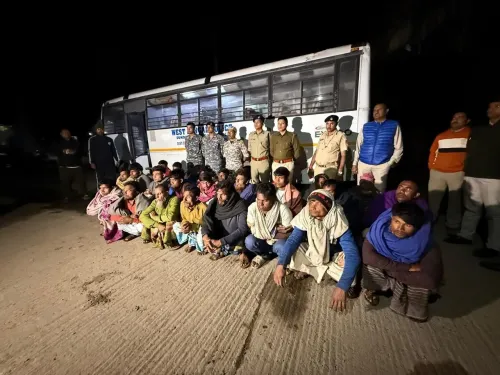
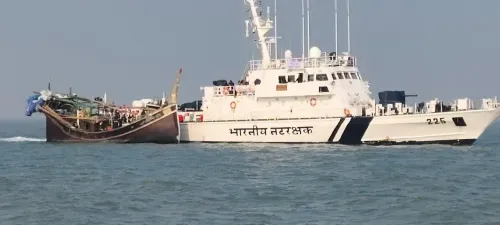
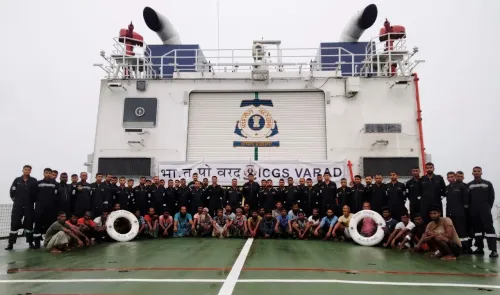
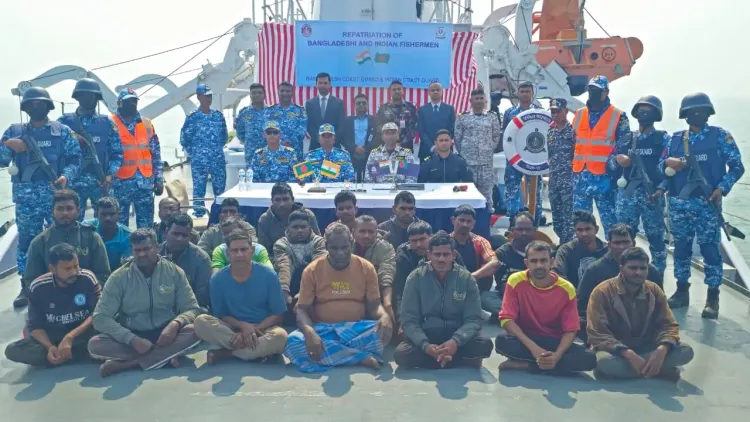
Kolkata, Jan 29 (NationPress) In a successful operation on Thursday, the Ministry of External Affairs (MEA) and the Indian Coast Guard (ICG) worked in tandem with Bangladeshi authorities to repatriate 23 Indian fishermen and two Indian fishing boats, known as IFBs, that had been detained.
The fishermen were apprehended for crossing the International Maritime Border Line (IMBL) while attempting to fish in the territorial waters of Bangladesh.
This action was part of a reciprocal repatriation initiative.
In return, the Indian government released 128 Bangladeshi fishermen alongside five fishing boats from Bangladesh.
These Bangladeshi fishermen had been captured by the ICG for engaging in illegal fishing activities within India's Exclusive Economic Zone (EEZ) and were later prosecuted under the Foreigners' Act.
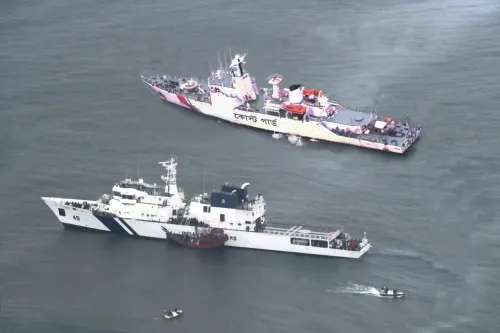
The exchange occurred along the IMBL in the Bay of Bengal early Thursday morning.
The Indian Coast Guard Ship (ICGS) Samudra Paheredar and ICGS Vijaya transferred the Bangladeshi fishermen to the Bangladesh Coast Guard (BCG) vessels Kamaruzzaman and Sonar Bangla in a coordinated effort.
Following the completion of necessary documentation, the Indian fishermen were also returned to the ICG.
Subsequently, the ICG ships navigated towards the West Bengal coast with the repatriated fishermen and boats.
The return of the 23 fishermen and their IFBs will be coordinated by the state administration, which will facilitate their journey home.
A statement from the Ministry of Defence highlighted that this mutual exchange stemmed from the MEA's commitment to addressing the humanitarian and economic needs of fishing communities along India's expansive coastline.
"This successful repatriation underscores the shared dedication of both nations to ensuring the safety and welfare of fishermen from each country, emphasizing the significance of maritime cooperation and humanitarian initiatives," the statement noted.
Additionally, the ICG has cautioned Indian fishermen against traversing the IMBL in search of better catches.
Such actions can lead to complexities and hardships for detained fishermen, causing distress for their families.
Families may endure financial difficulties lasting months or even years before repatriation is possible.
Modern IFBs are outfitted with GPS technology and other devices that help crews monitor their location.
Fishing boats also feature satellite-linked Distress Alert Transponders (DATs) that, when activated, allow authorities to track their movements at sea.
However, those attempting to evade detection typically turn off their DATs to avoid revealing their precise location.
This poses a significant challenge during cyclones in the Bay of Bengal, often resulting in fishing boats and crews going missing.
Point of View
This event serves as a reminder of the importance of diplomatic relations between India and Bangladesh. The successful repatriation of fishermen illustrates the potential for cooperation between nations in addressing humanitarian issues, fostering goodwill and understanding in shared maritime territories.
NationPress
24 Sept 2026
Frequently Asked Questions
Why were the Indian fishermen detained in Bangladesh?
The Indian fishermen were detained for crossing the International Maritime Border Line (IMBL) while attempting to fish in Bangladesh's territorial waters.
How many Bangladeshi fishermen were repatriated by India?
India repatriated 128 Bangladeshi fishermen as part of the mutual exchange.
What measures are in place to track fishing boats?
Modern fishing boats are equipped with GPS and Distress Alert Transponders (DATs) that allow authorities to monitor their movements at sea.
What is the significance of this repatriation?
This repatriation underscores the commitment of both nations to safeguard the welfare of fishermen and highlights the importance of maritime cooperation.
What risks do fishermen face when crossing the IMBL?
Fishermen face legal consequences, financial hardship for their families, and risks during adverse weather conditions when crossing the IMBL.