India's core sector growth hits 10.9% in October, led by iron ore and coal
Synopsis
India's nine-sector core industry index jumped 10.9% in October 2026 — the strongest reading in recent months — with iron ore, coal and electricity all posting double-digit gains. The cumulative April–October pace has nearly tripled versus the same window last year, pointing to a durable infrastructure-led industrial upturn even as fertilisers, natural gas and crude oil stayed in negative territory.
Key Takeaways
India's core sector growth hit 10.9 per cent year-on-year in October 2026 , per Ministry of Commerce and Industry data released on 20 November 2026 .
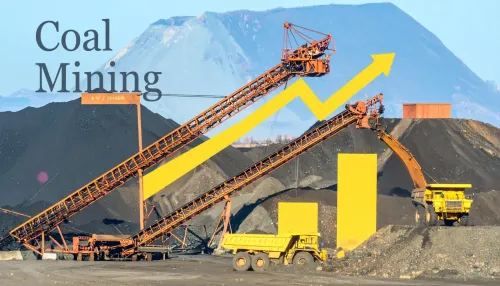
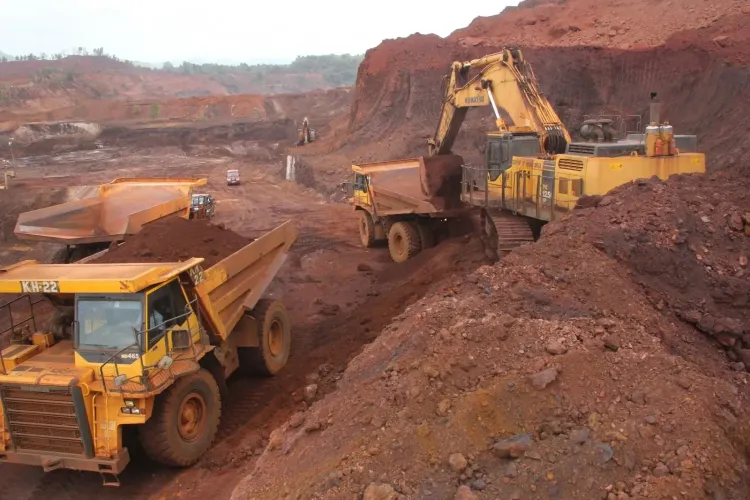
Iron ore led all sectors at 26.4 per cent , followed by coal at 23.1 per cent and electricity at 21.6 per cent .
Cement grew 15.4 per cent and steel rose 7.3 per cent , underpinned by government infrastructure spending on highways, ports and railways.
Fertilisers , natural gas , and crude oil posted negative growth in October.
Cumulative April–October 2026 ICI growth stands at 6 per cent , up sharply from 2.3 per cent in the same period of the previous year.
The revised ICI series now tracks nine core industries (up from eight), with iron ore added under the new Base Year 2022-23 framework.
India's core sector growth surged to 10.9 per cent in October 2026 on a year-on-year basis, driven by robust output gains in iron ore, coal, electricity, cement, and steel, according to data released by the Ministry of Commerce and Industry on 20 November 2026. The reading marks a sharp acceleration in industrial momentum and signals sustained traction in infrastructure-linked manufacturing.
Sector-by-Sector Performance
Iron ore output led all sectors with a surge of 26.4 per cent, followed by coal production at 23.1 per cent and electricity generation at 21.6 per cent. The cement sector posted 15.4 per cent growth, while steel production climbed 7.3 per cent during the month, with demand staying buoyant owing to large government investments in infrastructure projects such as highways, ports, and railways.
Refinery products output rose 7.3 per cent in October, supported by higher petroleum demand linked to increased economic activity. However, three segments recorded negative growth during the month: fertilisers, natural gas, and crude oil.
Revised September Data and Cumulative Trend
The final index for September 2026 has been revised upward to 8.2 per cent, according to an official statement. On a cumulative basis, the Index of Core Industries (ICI) grew 6 per cent during April–October 2026, compared with just 2.3 per cent in the corresponding period of the previous year — nearly a threefold improvement in pace.
New Index Series With Iron Ore Addition
The data was compiled under the revised ICI series introduced by the Office of Economic Adviser, Department for Promotion of Industry and Internal Trade (DPIIT), which adopted a Base Year of 2022-23 for the first time in July 2026, replacing the older Base Year 2011-12 series. Notably, iron ore has been added as a new component to this revised series, increasing the number of core industries tracked from eight to nine, reflecting its intensive use in production processes and its strategic role in industrial development.
What This Signals for the Broader Economy
The strong October print comes amid elevated capital expenditure from the Centre on big-ticket infrastructure. Core sector performance is closely watched as a leading indicator of wider industrial output — the eight (now nine) sectors together account for a substantial share of the Index of Industrial Production (IIP). With the cumulative April–October pace running nearly three times that of the same window last year, the data point adds weight to expectations of resilient GDP growth for the second half of the fiscal year. Whether fertiliser and natural gas headwinds deepen or reverse will be a key variable to monitor in coming months.
Point of View
But the composition matters as much as the headline. Iron ore and coal — both cyclical and policy-sensitive — account for a disproportionate share of the upside, and both are closely tied to the Centre's infrastructure capital expenditure pipeline. If that pipeline slows or faces execution delays, the top-line figure will soften quickly. The simultaneous contraction in fertilisers, natural gas and crude oil is a structural concern that rarely makes headlines but touches farm input costs and energy security. The revision to the ICI base year also means historical comparisons carry more noise than usual — a caveat that official releases tend to under-communicate.
NationPress
20 Nov 2026
Frequently Asked Questions
What is India's core sector growth rate for October 2026?
India's core sector growth rate for October 2026 stood at 10.9 per cent on a year-on-year basis, according to data released by the Ministry of Commerce and Industry on 20 November 2026. The reading was driven by strong performances in iron ore, coal, electricity, cement, and steel.
Which sectors drove India's core sector growth in October 2026?
Iron ore led with 26.4 per cent growth, followed by coal at 23.1 per cent and electricity at 21.6 per cent. Cement grew 15.4 per cent and steel rose 7.3 per cent, supported by government infrastructure spending. Fertilisers, natural gas, and crude oil recorded negative growth during the same period.
What is the cumulative core sector growth for April–October 2026?
The cumulative growth of the Index of Core Industries (ICI) for April–October 2026 stands at 6 per cent, compared with 2.3 per cent in the corresponding period of the previous year — nearly three times the earlier pace.
Why was iron ore added to the Index of Core Industries?
Iron ore was added to the revised ICI series — introduced by DPIIT with Base Year 2022-23 — because of its intensive use in production processes and its significance to industrial development. Its inclusion raised the number of core industries tracked from eight to nine.
What does the revised September 2026 core sector figure show?
The final index for September 2026 has been revised to 8.2 per cent, according to an official government statement. The revision reflects updated production data submitted after the initial release.