India Strongly Rejects Pakistan's Interference in Delimitation Matters
Synopsis
In a firm response, India’s Ministry of External Affairs has dismissed Pakistan's attempts to comment on the delimitation process related to Jammu and Kashmir. The MEA emphasized the sovereignty of India’s internal matters during a recent media briefing.
Key Takeaways
MEA rejects Pakistan's interference regarding delimitation.
India emphasizes sovereignty over internal matters.
Legislative discussions on women's reservation and delimitation are ongoing.
Significant votes in Lok Sabha indicate strong parliamentary support.
India's stance reflects its commitment to territorial integrity.
New Delhi, April 17 (NationPress) The Ministry of External Affairs (MEA) categorically rejected Pakistan's comments regarding India's delimitation process.
Pakistan's response came after reports surfaced that India's Delimitation Bill 2026 establishes a legal basis for constituency delimitation in Kashmir under its control.
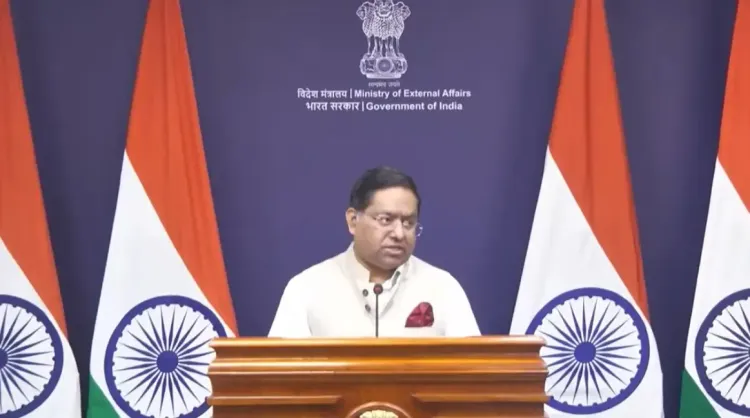
During a media briefing in New Delhi on Friday, MEA spokesperson Randhir Jaiswal asserted that India will not tolerate any attempts to intrude into its domestic affairs.
In response to inquiries about Pakistan's remarks concerning the delimitation exercise in India, particularly in Jammu and Kashmir, Jaiswal remarked, "The internal affairs of India are strictly our own, and we firmly reject any efforts to infringe upon them or make comments on such matters."
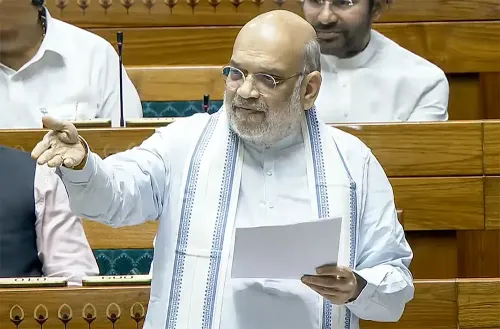
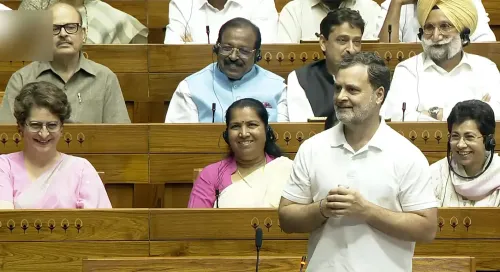
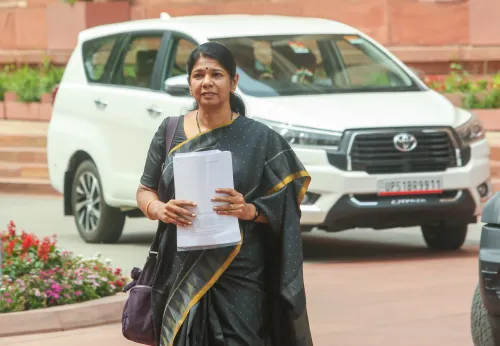
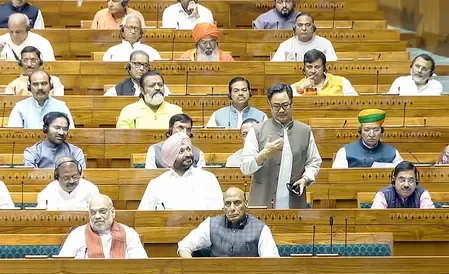
This statement from the MEA coincides with ongoing discussions in the Lok Sabha about three bills aimed at modifying the women's reservation law and establishing a delimitation commission.
On Thursday, Union Parliamentary Affairs Minister Kiren Rijiju informed the Lok Sabha about a forthcoming detailed discussion regarding the three pivotal Bills concerning women’s reservation and delimitation, with voting anticipated later on Friday.
Lok Sabha Speaker Om Birla clarified that the debate could extend longer if necessary, reflecting flexibility in the agenda to allow thorough discussions among members.
The introduction of the Constitution (One Hundred and Thirty-First Amendment) Bill, 2026, designed to facilitate women’s reservation and enable delimitation, received approval in the Lok Sabha on Thursday after a division of votes.
Union Law Minister Arjun Meghwal presented the Bill in the House, marking a significant advancement in the legislative process. This followed an earlier voting session in which Members of Parliament agreed to advance the Bill for discussion.
The Constitution (One Hundred and Thirty-First Amendment) Bill, 2026, alongside the Delimitation Bill 2026 and the Union Territories Laws (Amendment) Bill, 2026, were introduced.
Previously, the Lok Sabha voted in favor of the Constitution (One Hundred and Thirty-First Amendment) Bill, 2026, after the Opposition requested a division. The vote count stood at 251 in favor and 185 against, as announced by Speaker Om Birla, with the possibility of changes to this distribution.
Point of View
It is crucial to emphasize India's robust stance on its internal matters, particularly in light of external comments from Pakistan. The MEA's firm rejection reflects a commitment to sovereignty and territorial integrity, underscoring the importance of maintaining a united front on diplomatic issues.
NationPress
18 Sept 2026
Frequently Asked Questions
What is the significance of the delimitation process?
The delimitation process is crucial for defining electoral constituencies, ensuring fair representation in government, and addressing demographic changes.
Why did Pakistan comment on India's delimitation process?
Pakistan's comments were likely aimed at challenging India's sovereignty over Jammu and Kashmir, particularly in light of ongoing territorial disputes.
What are the key bills discussed in the Lok Sabha?
The key bills include the Constitution (One Hundred and Thirty-First Amendment) Bill, aimed at women's reservation, and the Delimitation Bill 2026.
How does India view foreign comments on its internal affairs?
India views foreign comments on its internal affairs as unwarranted interference, reaffirming its stance on sovereignty and self-determination.
What is the current status of the delimitation process in India?
The delimitation process is currently under legislative discussion, with significant bills being debated in the Lok Sabha.