SURYAKIRAN: India, Nepal begin 20th military exercise
Synopsis
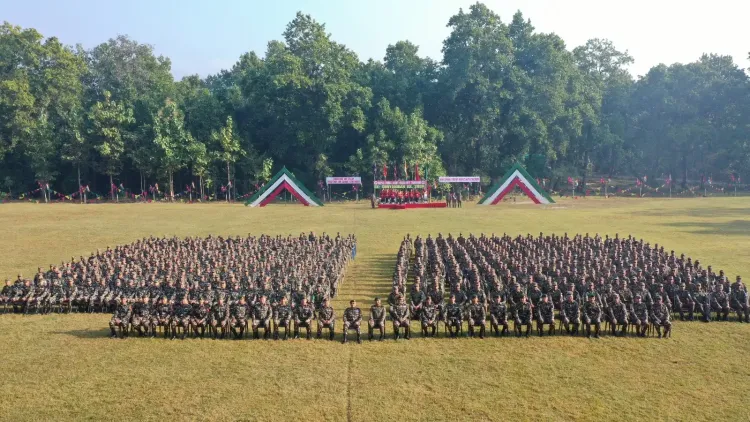
Indian and Nepali troops have begun the 20th edition of SURYAKIRAN in Saljhandi, with disaster management, jungle warfare and humanitarian assistance on the training agenda. The annual exercise, held alternately in the two countries since 2011, is scheduled to end on 8 December.
Key Takeaways
India and Nepal began the 20th edition of SURYAKIRAN on 25 November in Saljhandi , Nepal.
The battalion-level exercise is scheduled to conclude on 8 December .
Major General Purna Bahadur Khatri inaugurated the exercise, according to the Nepali Army.
The 19th edition was held in Pithoragarh , India; the exercise has rotated between the countries since 2011 .
The tradition of conferring honorary general ranks on the other country's army chief dates to 1950 .
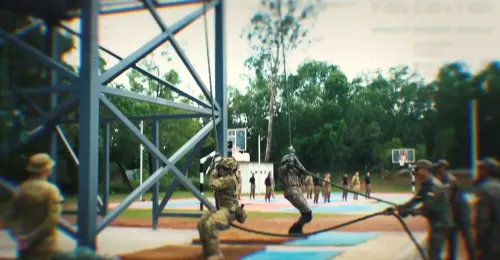
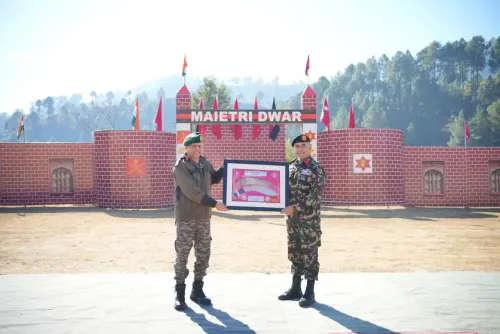
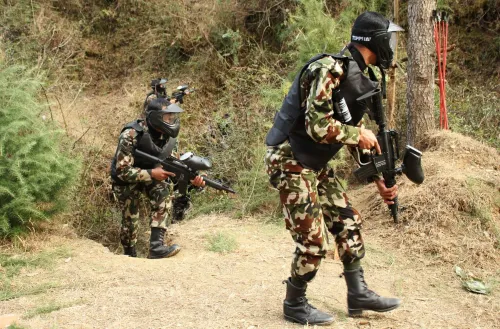
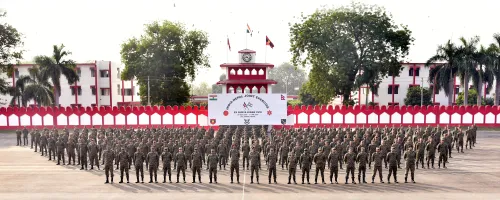
India and Nepal began the 20th edition of their joint military exercise, SURYAKIRAN, on 25 November at the Nepali Army Battle School in Saljhandi, Rupandehi district, the Nepali Army said. The exercise brings together battalion-level troops from both countries for training focused on disaster management, jungle warfare and humanitarian assistance.
The exercise is scheduled to conclude on 8 December. It forms part of an annual training programme that has rotated between the two neighbours since 2011.
Training at Saljhandi
Major General Purna Bahadur Khatri, Commander of the Nepali Army's Mid-Western Division Headquarters, inaugurated the exercise in southwestern Nepal, according to the Nepali Army.
Personnel from both armies will exchange theoretical knowledge, practical skills and specialised experience. The stated areas of focus combine military training in jungle warfare with disaster management and humanitarian assistance.
The battalion-level exercise is intended to strengthen professional ties and military cooperation between the two armies. Its disaster and humanitarian components also provide a setting for personnel to share approaches to operations beyond conventional military training.
Annual exercise rotates between neighbours
SURYAKIRAN has been conducted annually on a rotational basis in Nepal and India since 2011, the Nepali Army said. The 19th edition took place in Pithoragarh, India, before the exercise returned to Nepal for its current edition.
The rotation gives each army an opportunity to host the joint programme. The Nepali Army's statement identified cooperation and professional ties as the exercise's central aims.
Defence ties beyond the exercise
According to the Indian Embassy in Kathmandu, longstanding defence and security ties between the countries are supported by bilateral mechanisms, high-level visits, military training, joint exercises and equipment supplies.
Those links also include Nepali Gorkha soldiers serving in the Indian Army and more than 1 lakh Indian Army ex-servicemen residing in Nepal, the embassy said. The annual exercise sits alongside those personnel and institutional connections.
Honorary general tradition
A distinctive feature of the relationship is the practice of conferring the honorary rank of General on each other's army chiefs. The tradition dates to 1950 and is regarded as a symbol of close military ties.
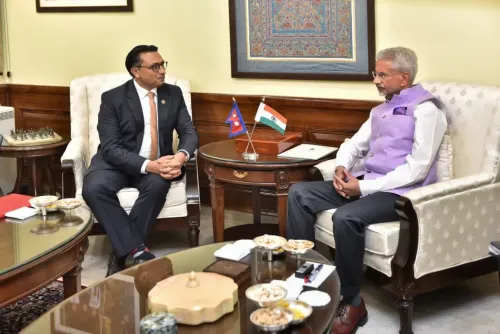
In August, Indian Army Chief General Dhiraj Seth visited Nepal at the official invitation of Nepali Army Chief General Ashok Raj Sigdel. During the visit, Nepal's President Ram Chandra Paudel conferred the honorary rank of General of the Nepali Army on Seth on 17 August.
With the current edition due to run until 8 December, troops from both countries will continue their scheduled exchange of skills and experience at Saljhandi.
Frequently Asked Questions
What is the SURYAKIRAN exercise?
SURYAKIRAN is an annual joint military exercise between India and Nepal. It has rotated between the two countries since 2011.
Where is the 20th SURYAKIRAN exercise being held?
The 20th edition is being held at the Nepali Army Battle School in Saljhandi, Rupandehi district, Nepal.
When does the SURYAKIRAN exercise end?
The exercise is scheduled to conclude on 8 December. It began on 25 November, according to the Nepali Army.
What will Indian and Nepali troops train for?
The troops will focus on disaster management, jungle warfare and humanitarian assistance. They will exchange theoretical knowledge, practical skills and specialised experience.
Where was the previous SURYAKIRAN exercise held?
The 19th edition was held in Pithoragarh, India, according to the Nepali Army.