Is India-Nepal Trade Set to Double in Five Years?
Synopsis
New Delhi, Dec 25 (NationPress) The strengthening of business connections and continual investment between India and Nepal is expected to significantly elevate bilateral trade, with forecasts suggesting a potential doubling of volumes by 2030. This article delves into the factors driving this growth and the implications for both nations.
Key Takeaways
India and Nepal are set to double their bilateral trade by 2030.
Over 64% of Nepal 's trade is with India .
Key exports from Nepal include electricity and agricultural products.
Indian investments in Nepal are primarily in hydropower and infrastructure.
Energy cooperation is a key component of India – Nepal relations.
New Delhi, Dec 25 (NationPress) The enhancement of commercial ties and ongoing investment between India and Nepal is anticipated to propel bilateral trade into a new phase of growth, with projections indicating that trade volumes could double by 2030, as reported by a Nepalese news outlet.
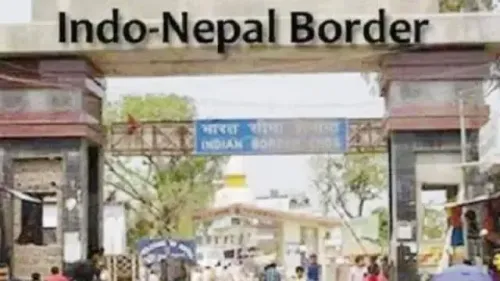
Bilateral trade is a significant and quantifiable aspect of India–Nepal economic relations, demonstrating both geographical closeness and profound interdependence.
Over 64% of Nepal's total trade is with India, highlighting India's pivotal role in Nepal's external economic interactions and supply chains. In the fiscal year 2024–25, total bilateral trade is projected to reach around USD 8.7 billion, solidifying India’s status as Nepal's principal trading partner.
India's exports to Nepal are estimated at about USD 7.4 billion, dominated by essential goods such as petroleum products, machinery, vehicles, pharmaceuticals, food items, and construction materials crucial for Nepal's consumption and infrastructure development. Conversely, Nepal's exports to India are valued at nearly USD 1.3 billion, primarily consisting of electricity, agricultural products, iron and steel, and manufactured goods.
This strong trading framework illustrates the level of economic integration and the significant opportunities for diversification, value addition, and a more balanced growth trajectory for Nepal's export portfolio in the forthcoming years. As business and investments continue to grow, the trade path is projected to enter a new phase, with bilateral trade potentially doubling within the next five years, as stated in the article from the Nepal Aaja news portal.
The article further remarks that India–Nepal investments signify a deepening economic alliance rooted in geographic closeness, historical trust, and increasing strategic alignment. Indian enterprises represent the largest foreign direct investment source in Nepal, accounting for approximately 30–35% of its total FDI stock.
The cumulative Indian investments are estimated between USD 750–800 million, with operational investments nearing USD 670 million spread across over 150 Indian projects.
These investments encompass critical sectors like hydropower, manufacturing, banking, insurance, telecommunications, cement, tourism, education, and hospitality, positioning India as a vital catalyst for Nepal’s industrial growth and service sector expansion.
Indian public and private sectors have been instrumental in transforming Nepal's hydropower landscape by merging capital, technology, and secure power off-take agreements, thus fortifying Nepal's energy security while yielding long-term commercial benefits for Indian companies. Indian banks and insurance firms have aided in enhancing financial stability, while partnerships in manufacturing and tourism have created jobs, skills, and added local value.
This investment synergy is further supported by India's broader developmental partnership actions, which facilitate infrastructure development, cross-border connectivity, and capacity building, thereby decreasing investment risks and promoting economic integration. Collectively, investment flows and developmental financing are weaving the two economies into a closely interconnected economic framework with shared long-term goals, according to the article.
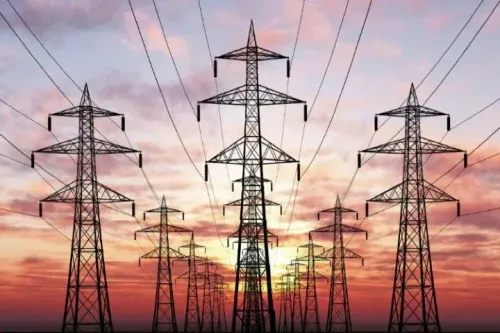
Energy collaboration has become a transformative cornerstone of India–Nepal relations, reshaping Nepal’s position in the regional economy. Nepal is endowed with substantial hydropower potential, estimated at over 40,000 MW of economically viable capacity. Recent collaborative efforts by both governments have enabled Nepal to shift from being a net electricity importer to a burgeoning exporter.
In the fiscal year 2024–25, Nepal exported around NPR 17–18 billion (approximately USD 130 million) in electricity, predominantly to India. Long-term energy trade agreements foresee Nepal exporting up to 10,000 MW of electricity to India over the next decade.
This energy alliance offers Nepal a stable revenue stream from exports, while aiding India’s transition towards clean energy and enhancing regional grid stability.
The integration of power markets has additionally positioned India as a transit hub for Nepal's electricity exports to third nations, further strengthening regional economic cooperation, the article concluded.
Point of View
It's crucial to recognize that the evolving trade dynamics between India and Nepal reflect not just economic interests but also historical ties and strategic partnerships. This growth is indicative of a maturing relationship that will benefit both nations. Sustained collaboration in trade and investment can pave the way for mutual prosperity.
NationPress
23 Sept 2026
Frequently Asked Questions
What is the current state of India-Nepal trade?
As of FY 2024–25, bilateral trade between India and Nepal is projected to reach approximately USD 8.7 billion.
How much of Nepal's trade is with India?
India accounts for over 64% of Nepal's total trade, making it a vital partner in Nepal's economic engagement.
What sectors are involved in India-Nepal trade?
Key sectors include petroleum products, machinery, pharmaceuticals, electricity, and agricultural products.
How much has India invested in Nepal?
Cumulative Indian investments in Nepal are estimated to be between USD 750–800 million, with over 150 ventures ongoing.
What is the future outlook for India-Nepal trade?
The trade trajectory is expected to double over the next five years, driven by strengthened business ties and investments.