India-New Zealand FTA: Todd McClay on zero tariffs, key sectors, and what's next
Synopsis
India and New Zealand have signed a landmark FTA that eliminates tariffs on all Indian exports to New Zealand from Day One, with 95% of New Zealand exports gaining duty-free or reduced-tariff access within seven years. New Zealand's Trade Minister Todd McClay calls it a 'beacon of bright light' for global trade — and says the deal was clinched in near-record time thanks to the personal rapport between PM Modi and PM Luxon.
Key Takeaways
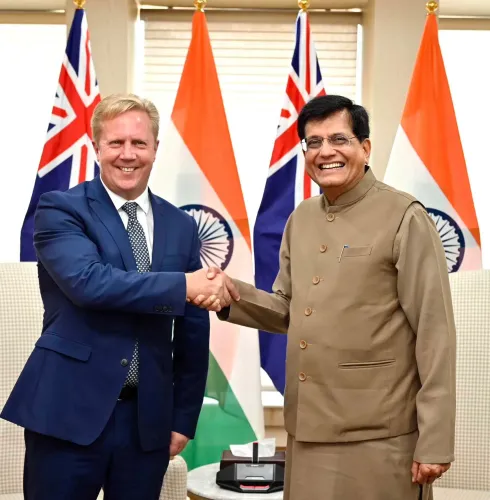
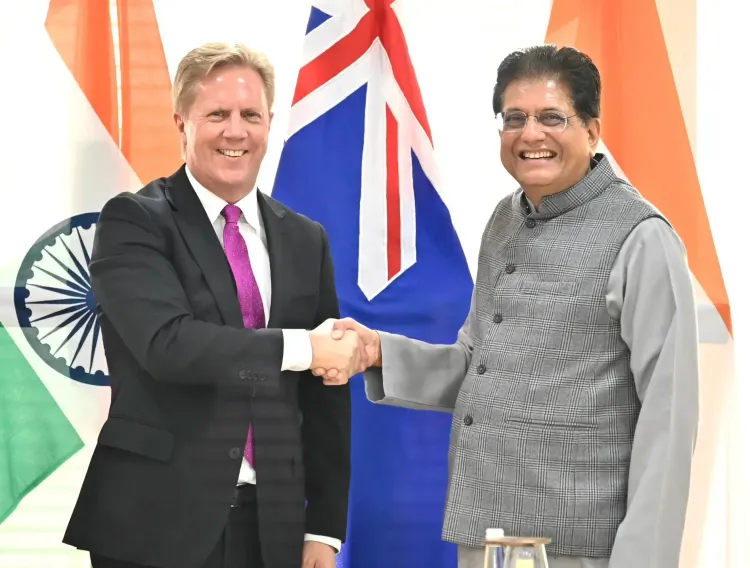
The India-New Zealand FTA was formally signed in New Delhi on 28 April 2025 by Ministers Todd McClay and Piyush Goyal .
All Indian exports to New Zealand will attract zero tariffs from Day One of operationalisation.
Over 50% of New Zealand's exports will drop to zero tariffs immediately; 95% will be tariff-free or significantly reduced within 7 years .
Key beneficiary sectors include Indian agricultural equipment, chemicals, fertilisers, and manufactured goods , and New Zealand lamb, seafood, and horticultural products .
The deal is expected to enter into force before the end of 2025 , pending parliamentary ratification in New Zealand.
2025 also marks 70 years of India-New Zealand sporting cooperation.
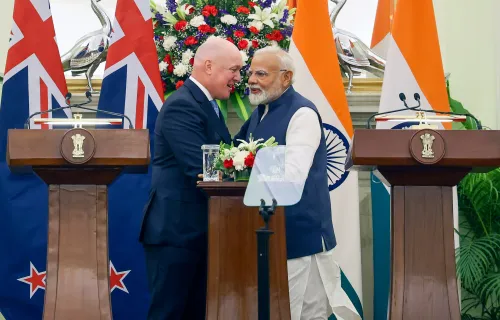
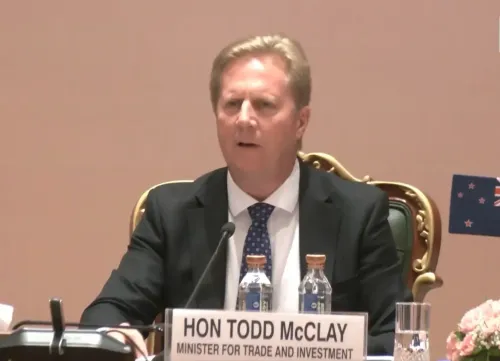
New Zealand's Trade and Investment Minister Todd McClay has described the newly signed India-New Zealand Free Trade Agreement (FTA) as "a beacon of bright light" for global trade, saying it demonstrates how high-quality agreements and honoured commitments can drive economic growth for both nations. McClay made these remarks in an exclusive interview with IANS on the sidelines of the signing ceremony in New Delhi on 28 April, where he and India's Commerce and Industry Minister Piyush Goyal formalised the landmark deal.
Timeline and Operationalisation
McClay confirmed that the agreement will be tabled before the New Zealand Parliament imminently, with both governments aiming to bring it into force before the end of 2025. Full implementation is expected to unfold over a seven-year period.
Crucially, on Day One of operationalisation, all exports from India to New Zealand will attract a zero tariff rate. For New Zealand's own exports, more than 50 per cent will drop to zero tariffs immediately, with the remainder phased over seven years. By full implementation, approximately 95 per cent of New Zealand's exports will either be entirely tariff-free or enjoy significant tariff reductions.
Why This Deal Matters Amid Global Uncertainty
McClay emphasised that the FTA arrives at a particularly significant moment. "The global trade environment is quite uncertain at the moment," he noted, adding that the agreement provides business communities on both sides with the certainty they need to invest in the bilateral trading relationship.
"This agreement serves as a beacon — a bright light — that shows how negotiating high-quality agreements and honouring commitments can help economies grow, which ultimately benefits our citizens," McClay said. He described the deal as a public commitment by both governments to create rules and honour them, providing a stable framework for cross-border commerce.
Key Sectors Set to Gain
According to McClay, the benefits span a wide range of industries. Indian exporters stand to gain significantly, with near-unrestricted access to the New Zealand market across goods including agricultural equipment, chemicals, fertilisers, and manufactured products. McClay expressed confidence that Indian goods would perform strongly, noting that New Zealand consumers "value both competition and choice."
On the New Zealand side, sectors such as lamb, seafood, and select horticultural products — areas where India relies on imports — are expected to see increased supply. For Indian consumers, this translates to greater choice, potentially more competitive pricing, and assured quality standards from New Zealand's food safety regime.
Leadership and the Road to Agreement
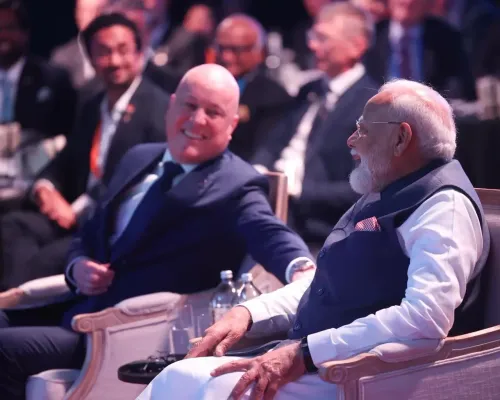
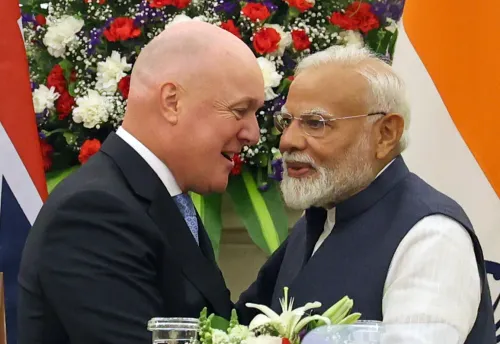
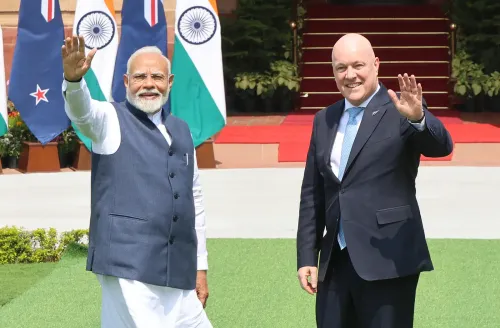
McClay credited the strong bilateral leadership of Prime Minister Narendra Modi and New Zealand Prime Minister Christopher Luxon for enabling what he described as near-record-speed negotiations. He noted that Prime Minister Luxon visited India last year with the largest trade delegation ever brought by a New Zealand Prime Minister to any country.
"I have great respect for everything Prime Minister Modi has achieved and for his significant leadership. It was an honour to meet him and speak with him when we concluded the agreement," McClay said.
What Comes Next
With the governmental groundwork laid, McClay said the focus now shifts to business communities on both sides. He confirmed plans to bring additional trade missions from New Zealand to India and encouraged Indian businesses to reciprocate with visits to New Zealand. "Ultimately, businesses must take this agreement and actively look for opportunities. I believe those opportunities will be significant," he said.
McClay also extended a warm welcome to a potential visit by Prime Minister Modi to New Zealand, noting that 2025 marks 70 years of sporting cooperation between the two nations. He even extended a light-hearted invitation for India's cricket team to tour, referencing a recent T20 final between the two countries that India won. With parliamentary ratification imminent, the agreement's entry into force before year-end could mark a new chapter in India-New Zealand economic ties.
Point of View
It offers a template at a moment when multilateral trade architecture is fraying. The real test will be uptake: past bilateral FTAs signed by India have often underperformed because business communities, especially on the Indian side, remained unaware of or unable to operationalise preferential access. McClay's emphasis on trade missions is the right instinct, but government facilitation alone will not close that gap. Watch whether Indian SME exporters in chemicals and manufactured goods actually capture the Day One zero-tariff advantage — or whether it accrues mainly to large incumbents with existing export infrastructure.
NationPress
17 Sept 2026
Frequently Asked Questions
What is the India-New Zealand Free Trade Agreement?
The India-New Zealand FTA is a bilateral trade deal signed on 28 April 2025 in New Delhi that eliminates or significantly reduces tariffs on goods traded between the two countries. It grants zero tariffs to all Indian exports to New Zealand from Day One, and aims to make 95% of New Zealand's exports tariff-free or significantly reduced within seven years.
When will the India-New Zealand FTA come into force?
Both governments are targeting entry into force before the end of 2025, pending ratification by the New Zealand Parliament. Full implementation will be phased over a seven-year period.
Which sectors benefit most from the India-New Zealand FTA?
Indian exporters in agricultural equipment, chemicals, fertilisers, and manufactured goods gain near-unrestricted access to New Zealand. New Zealand exporters of lamb, seafood, and horticultural products stand to benefit from increased access to the Indian market.
How did PM Modi's leadership contribute to the FTA?
New Zealand Trade Minister Todd McClay credited the strong personal rapport between PM Narendra Modi and NZ PM Christopher Luxon for enabling negotiations to conclude in near-record time. PM Luxon visited India last year with New Zealand's largest-ever prime ministerial trade delegation.
What happens to tariffs on Indian exports to New Zealand from Day One?
From the first day the agreement enters into force, all exports from India to New Zealand will attract a zero tariff rate, giving Indian businesses immediate and unrestricted market access across the board.