Govt invokes Force Majeure for West Asia crisis, grants contractors 4-month relief
Synopsis
For the first time, India's Finance Ministry has formally classified the West Asia crisis as a war-like event under procurement rules — shielding contractors from penalties for delays and granting up to four months of relief. The move reveals how a distant geopolitical conflict is now directly reshaping India's domestic contract law.
Key Takeaways
The Ministry of Finance issued an office memorandum allowing contractors to invoke Force Majeure due to the West Asia crisis .
Contracts with deadlines on or after 28 February 2026 may receive an extension of 2 to 4 months without penalty or liquidated damages.
Relief is valid only if contractors were not already in default as of 27 February 2026 and disruptions are directly linked to West Asia .
Either party may terminate a contract if Force Majeure conditions persist beyond 90 days , with no financial repercussions.
The directive draws on four government procurement manuals from 2024 and 2025 , which define Force Majeure to include war, strikes, riots, and natural calamities .
The Ministry of Finance has allowed contractors to invoke Force Majeure amid the ongoing West Asia crisis, recognising the prevailing situation as a war-like event under procurement rules, and granting relief of up to four months on contract deadlines without penalty. The directive, issued via an office memorandum, offers a significant cushion to suppliers and contractors whose deliveries and project timelines have been disrupted by the conflict.
Key Provisions of the Relief Package
Under the revised guidance, contracts with completion deadlines on or after 28 February 2026 that have been affected — directly or indirectly — by the West Asia disruptions are eligible for an extension of at least two months and up to four months. Crucially, this relief comes without any financial penalty, liquidated damages, or denial clauses imposed on contractors.
The memorandum explicitly stated:
Point of View
Procuring entities may apply the relief inconsistently, creating disputes rather than resolving them. Notably, the cut-off date of 27 February 2026 for non-default status will exclude contractors already struggling before the crisis peaked — a design choice that warrants scrutiny. India's growing contractual exposure to West Asia supply chains makes a clearer, standing Force Majeure framework increasingly necessary.
NationPress
25 Sept 2026
Frequently Asked Questions
What is the Force Majeure relief announced by the Indian government for the West Asia crisis?
The Ministry of Finance has allowed contractors to invoke Force Majeure due to the West Asia crisis, treating it as a war-like event under procurement rules. Eligible contracts with deadlines on or after 28 February 2026 can receive an extension of two to four months without any penalty or liquidated damages.
Who is eligible for the Force Majeure relief under this directive?
Contractors are eligible if they were not already in default as of 27 February 2026 and if their delays are directly or indirectly linked to the West Asia crisis. Procuring entities will assess eligibility on a case-by-case basis.
Can a contract be terminated under Force Majeure conditions?
Yes. If Force Majeure conditions persist beyond 90 days, either party may terminate the contract without any financial repercussions to either side. All contractual obligations revive once the Force Majeure period ends.
Which procurement manuals govern this Force Majeure provision?
The directive draws on the Manual for Procurement of Goods 2024, Manual for Procurement of Consultancy Services 2025, Manual for Procurement of Non-Consultancy Services 2025, and Manual for Procurement of Works 2025, all of which define Force Majeure as extraordinary events beyond human control.
Why has the government recognised the West Asia crisis as a Force Majeure trigger?
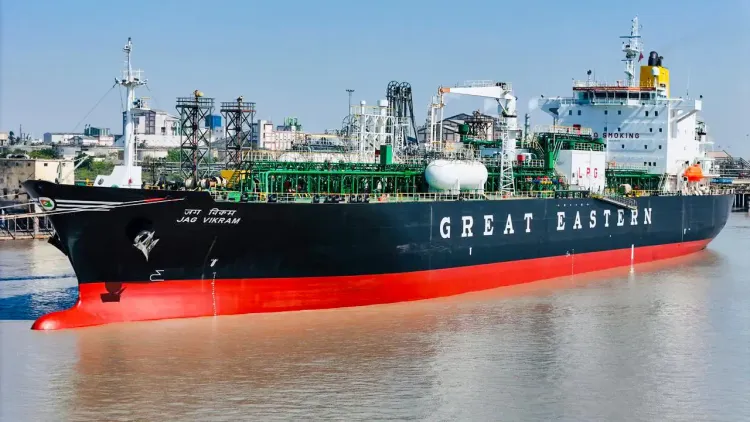
The government recognised the West Asia situation as a war-like event because it has caused direct and indirect disruptions to supply chains, shipping, and project timelines for contractors engaged in government procurement across multiple sectors.