Silver imports restricted: govt approval now mandatory for bullion, semi-processed silver
Synopsis
India has quietly but decisively tightened its grip on silver imports — moving bullion-grade and semi-processed silver into the 'restricted' category overnight, effective 16 May 2025. Combined with a parallel clampdown on duty-free gold imports under the AA scheme, this marks the most sweeping regulatory overhaul of India's precious metals import framework in years, with immediate consequences for bullion traders, jewellers, and industrial users.
Key Takeaways
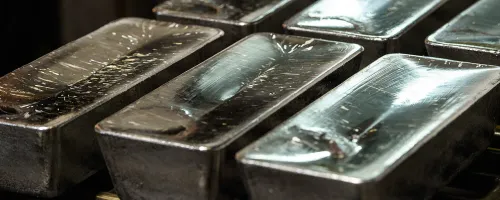
India has shifted silver bars (99.9% purity) , unwrought silver , semi-manufactured silver , and silver powder from the 'free' to the 'restricted' import category, effective 16 May 2025 .
Importers must now obtain prior government approval before silver consignments can enter India; certain categories also remain under RBI oversight.
The Centre had previously raised import duties on gold and silver to 15% from 6% as part of a broader drive to reduce import bill pressure.
The DGFT has capped duty-free gold imports under the Advance Authorisation scheme at 100 kg per licence and mandated physical facility inspections for first-time applicants.
Repeat AA scheme applicants face stricter export obligations and enhanced reporting requirements, including chartered accountant certifications .
Bullion traders, jewellery manufacturers, and industrial users dependent on imported silver face longer procurement timelines and higher compliance costs.
India has significantly tightened its silver import framework, shifting key categories of the precious metal — including 99.9% purity silver bars, unwrought silver, semi-manufactured silver, and silver powder — from the 'free' import policy regime to the 'restricted' category, effective immediately. The shift, formalised through a government notification issued on Saturday, 16 May 2025, means importers must now obtain prior government approval before any consignment of these products can enter the country.
What the New Rules Require
Under the revised framework, importers of bullion-grade and semi-processed silver will need explicit clearance from authorities before shipments are dispatched. Certain import categories will additionally remain subject to Reserve Bank of India (RBI) regulations, layering stricter financial compliance requirements on top of the new approval mandate.
The changes have been enacted through amendments to the import policy schedule under the ITC (HS) classification and carry immediate effect — leaving traders and manufacturers with little lead time to adjust procurement plans.
Why the Government Acted
Until the latest notification, most of these silver categories were imported under the 'free' regime, which required only standard regulatory clearances with limited restrictions. Industry observers believe the tightening is aimed at improving monitoring of precious metal inflows and curbing what authorities regard as excessive imports.
This comes amid the government's broader push to contain pressure on India's import bill and strengthen oversight of the precious metals trade. Notably, the Centre had earlier raised import duties on both gold and silver to 15% from 6%, signalling a sustained policy direction toward reducing dependence on imported bullion.
Parallel Tightening on Gold Imports
In a related development, the Directorate General of Foreign Trade (DGFT) has also tightened rules governing duty-free gold imports under the Advance Authorisation (AA) scheme used by gems and jewellery exporters. Gold imports under the AA scheme have been capped at 100 kilograms per licence, and first-time applicants must now undergo physical inspection of manufacturing facilities before approvals are granted.
The DGFT has further introduced tougher compliance measures for repeat applicants, including stricter export obligation conditions and enhanced reporting requirements backed by chartered accountant certifications.
Impact on Industry
The new silver import restrictions are expected to increase regulatory scrutiny across the precious metals sector. Bullion traders, jewellery manufacturers, and industrial users — particularly those in electronics and solar panel manufacturing that rely on imported silver — are likely to face longer procurement timelines and higher compliance costs.
With both gold and silver now subject to tighter controls, India's broader precious metals import ecosystem is undergoing its most significant regulatory overhaul in recent years. How swiftly the approval mechanism is operationalised will determine the extent of disruption to supply chains in the weeks ahead.
Point of View
And any supply disruption hits sectors the government simultaneously wants to grow. The approval mechanism's speed and transparency will be the real test. If clearances are slow or opaque, the policy risks achieving the opposite of its intent — pushing up input costs for manufacturers while doing little to curb speculative bullion flows, which often find regulatory workarounds.
NationPress
1 Oct 2026
Frequently Asked Questions
Which silver categories now require government approval for import into India?
Silver bars with 99.9% purity, unwrought silver, semi-manufactured silver, and silver powder have all been moved to the 'restricted' import category, requiring prior government approval before shipments can enter India. The changes took effect on 16 May 2025 through amendments to the ITC (HS) classification schedule.
Why has India tightened silver import rules?
The government aims to improve monitoring of precious metal inflows and reduce pressure on India's import bill, according to official notifications. The move follows an earlier hike in import duties on gold and silver from 6% to 15%, reflecting a sustained policy push to curb excessive bullion imports.
How does this affect jewellery manufacturers and bullion traders?
Importers will now face longer procurement timelines and higher compliance costs, as they must secure explicit government approval before placing orders. Industrial users of silver — including electronics and solar panel manufacturers — are also affected, since imported silver is a key input for these sectors.
What changes has the DGFT made to the gold Advance Authorisation scheme?
The Directorate General of Foreign Trade has capped duty-free gold imports under the Advance Authorisation scheme at 100 kilograms per licence. First-time applicants must undergo physical inspection of their manufacturing facilities, while repeat applicants face stricter export obligations and enhanced reporting backed by chartered accountant certifications.
Do RBI regulations still apply to silver imports under the new framework?
Yes. Certain categories of silver imports will continue to fall under Reserve Bank of India regulations even after the shift to the 'restricted' regime, adding a layer of financial compliance requirements on top of the new prior-approval mandate.