How Did Commodities Surpass Major Asset Classes in India, with Precious Metals Leading the Way?
Synopsis
In 2025, commodities outshined traditional asset classes in India, with precious metals, especially gold and silver, leading the way. Discover how policy uncertainty, currency fluctuations, and strong institutional interest contributed to this remarkable performance.
Key Takeaways
Commodities outperformed traditional assets in India in 2025.
Silver and gold prices soared significantly.
Central banks played a crucial role in the gold market.
Financial participation reinforced commodity prices.
2026 is expected to be a transitional year for commodities.
New Delhi, Jan 9 (NationPress) In 2025, commodities emerged as the top-performing asset class in India, eclipsing equities, bonds, and various other traditional investments, according to a report released on Friday.
The analysis by Motilal Oswal Financial Services Ltd highlights that precious metals—notably silver and gold—were the key contributors to this stellar performance, driven by factors such as policy uncertainty, currency fluctuations, robust institutional engagement, and ongoing supply restrictions.
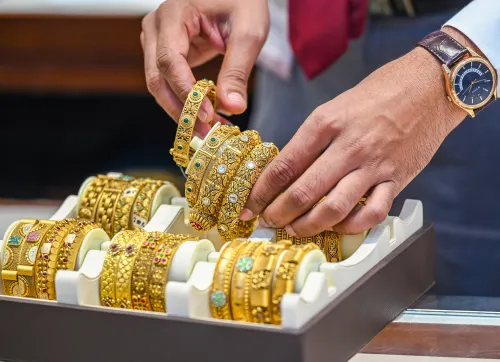
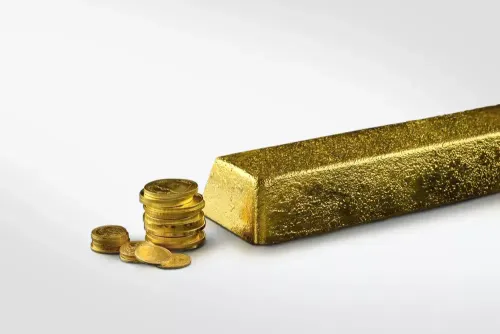
Domestic silver prices skyrocketed by over 170 percent, while domestic gold prices surged by more than 76 percent, outperforming benchmarks like the Nifty and the S&P 500. The rising gold-to-equity ratios throughout the year indicated a sustained investor inclination towards precious metals, even during risk-on periods.
Among precious metals, silver stood out as the clear winner. The gold–silver ratio plummeted from approximately 110 to near 65, indicating quicker price adjustments and a significant leadership shift towards silver, as noted in the report.
This bullish trend was supported by ongoing supply constraints, with global silver demand outpacing supply for the fifth year in a row, alongside the second-highest industrial demand on record, spurred by solar photovoltaics, electrification, electric vehicles, grid infrastructure, and innovative technology applications.
Manav Modi, an Analyst in Commodities at Motilal Oswal Financial Services Ltd, stated that the precious metals' performance in 2025 signifies a distinct shift in investor behavior.
“Gold has transformed from a mere cyclical hedge into a strategic reserve asset, bolstered by persistent central bank purchases, currency fluctuations, and ongoing macroeconomic uncertainties,” he remarked.
Gold solidified its role as a strategic portfolio hedge in 2025, with central banks acquiring over 1,000 tonnes of gold annually, which reinforced long-term price support and accelerated the trend towards de-dollarization.
Renewed inflows into ETFs in the latter half of the year, coupled with a weakened dollar index and depreciation of the rupee, further intensified domestic gold returns, according to the report.
According to recent AMFI data, gold exchange-traded funds (ETFs) experienced substantial net inflows in December 2025, with the category recording a staggering Rs 11,646 crore, marking the highest monthly inflow ever.
The report further emphasized that financial participation was crucial in underpinning commodity price movements throughout 2025.
The assets under management for domestic gold and silver ETFs rose by over 150 percent, while global ETF flows turned decisively positive in the latter half of the year.
Currency fluctuations provided additional support, with a weaker dollar index and a falling rupee enhancing domestic commodity returns, the report added.
Base metals saw mixed gains in 2025. Copper outshone others due to supply constraints, electrification trends, and heightened investor interest, while aluminium maintained steady gains, buoyed by demand from the automotive, construction, and electrical sectors. Zinc, however, remained relatively stable amidst surplus conditions, despite instances of tight inventories.
Looking forward, the report suggests that 2026 is poised to be a transitional year rather than a disruptive one, building on the structural themes that allowed commodities to excel in 2025.
Gold and silver are anticipated to maintain their strategic relevance in early 2026, supported by ongoing central-bank and investor demand, limited growth in mine supply, and relatively inelastic scrap flows.
Point of View
I observe that the performance of commodities, especially precious metals, reflects a significant shift in investor sentiment and market dynamics. The sustained demand and strategic positioning of gold and silver in portfolios indicate a cautious yet opportunistic approach in the face of ongoing uncertainties. This trend warrants close attention as we navigate through 2026.
NationPress
23 Sept 2026
Frequently Asked Questions
What factors contributed to the rise of commodities in 2025?
The surge in commodities was driven by policy uncertainty, currency fluctuations, strong institutional interest, and persistent supply constraints.
How much did silver and gold prices increase in 2025?
Domestic silver prices increased by over 170%, while gold prices rose by more than 76%.
What role did central banks play in the gold market?
Central banks purchased over 1,000 tonnes of gold annually, reinforcing long-term price support.
Will precious metals remain significant in 2026?
Yes, gold and silver are expected to retain their strategic relevance in early 2026, supported by ongoing demand and limited supply growth.
What are the prospects for base metals in 2026?
Base metals are likely to see selective gains, influenced by supply constraints and industrial demand trends.