Modi, Swiss President Parmelin push for global institution reforms at New Delhi summit
Synopsis
India and Switzerland used a New Delhi summit on 5 October to go beyond routine diplomacy — backing institutional reform at the UN level, deepening nuclear and defence ties, and anchoring a $100 billion investment blueprint via the EFTA free trade deal. The optics of a neutral European power aligning with India's reform agenda carries weight well beyond the bilateral relationship.
Key Takeaways
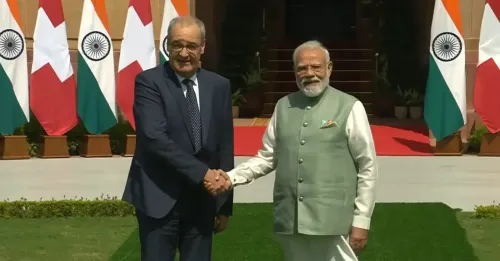
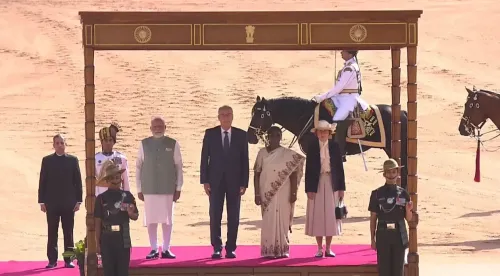
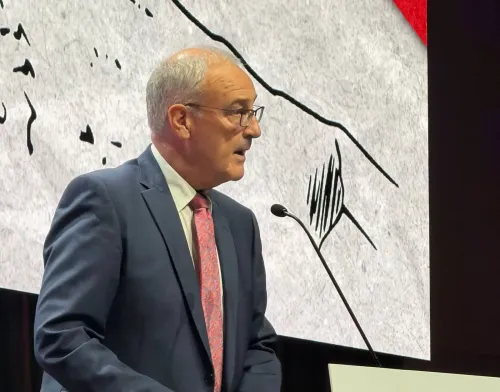
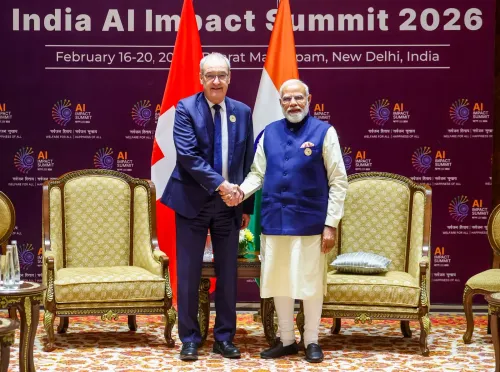
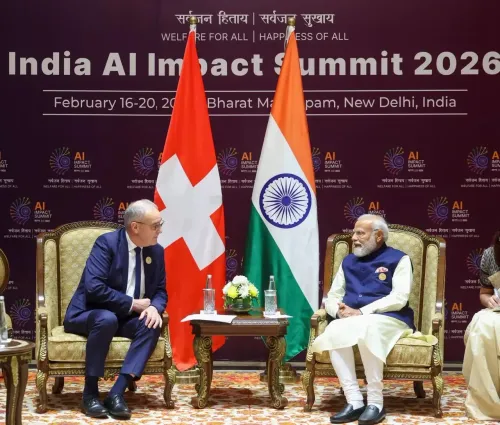
PM Narendra Modi and Swiss President Guy Parmelin held a bilateral summit at Hyderabad House, New Delhi on 5 October 2025 .
Both leaders called for reforms in global institutions to address growing challenges, including conflicts in Ukraine and West Asia .
The Migration and Mobility Partnership Agreement and Young Professionals Agreement were signed, expanding opportunities for Indian students and professionals in Switzerland.
India's EFTA Trade and Economic Partnership Agreement — the country's first FTA with a European economic bloc — targets $100 billion in investment and 10 lakh direct jobs over 15 years .
New cooperation areas identified include nuclear energy, defence production, military exchanges , and investment in biotech, life sciences, and sustainability .
Enhanced market access agreed for Indian exports in agriculture, pharma, textiles, and engineering goods to Switzerland.
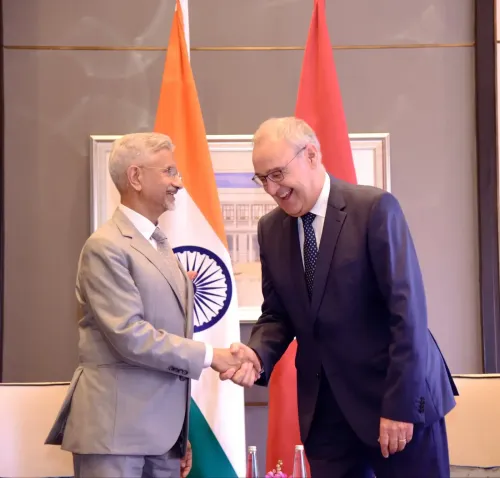
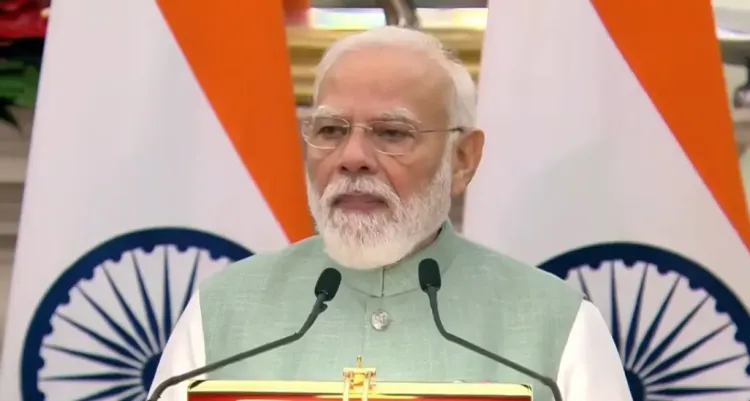
Prime Minister Narendra Modi on Monday, 5 October held a bilateral summit with Swiss President Guy Parmelin at Hyderabad House, New Delhi, with both leaders affirming that reforms in global institutions are essential to meet rising international challenges. The two sides signed key agreements and identified new areas of cooperation spanning defence, nuclear energy, trade, and people-to-people ties.
Key Agreements and Announcements
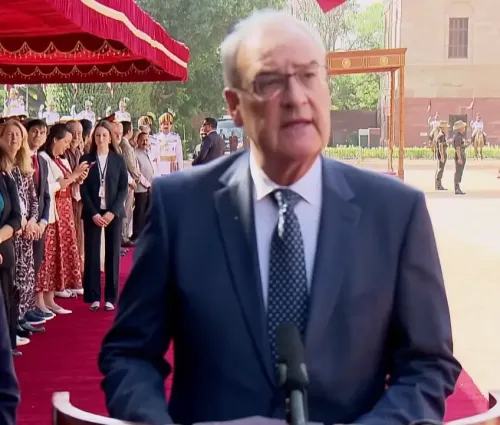
Addressing a joint press conference after the talks, Prime Minister Modi said India and Switzerland have signed the Migration and Mobility Partnership Agreement and the Young Professionals Agreement, which will open fresh opportunities in Switzerland for Indian students, researchers, professionals, and youth. Both leaders also agreed to deepen cooperation in nuclear energy and explore new possibilities in military exchanges and defence production.
Modi recalled that in October last year, with President Parmelin's personal support, India signed the Trade and Economic Partnership Agreement (TEPA) with the European Free Trade Association (EFTA) countries — described as India's first Free Trade Agreement with a European economic bloc. The pact envisions $100 billion in investment and 10 lakh direct jobs in India over the next 15 years.
On Global Peace and Institutional Reform
'India and Switzerland both believe in democratic values, rule of law, dialogue and diplomacy. We will continue to work together for global peace and stability. Be it Ukraine or West Asia, India has consistently supported every meaningful effort towards peace. We are also in agreement that reforms in global institutions are essential for addressing the growing global challenges,' Modi said.
This alignment on multilateral reform reflects a broader push by New Delhi to reshape institutions such as the United Nations Security Council and the World Trade Organisation, which critics argue have struggled to address 21st-century geopolitical realities. Notably, Switzerland — a long-standing neutral diplomatic power — lending its voice to institutional reform gives the call added weight in European corridors.
Trade and Investment Priorities
Modi announced several decisions aimed at enhancing market access for Indian exports in Switzerland, covering sectors including agriculture, pharmaceuticals, textiles, and engineering goods. Simultaneously, the two sides agreed to attract fresh Swiss investment into India's biotech, life sciences, banking, insurance, food processing, and sustainability sectors.
'This is also an ambitious blueprint of investment, innovation, jobs and mutual prosperity,' Modi said of the EFTA agreement, flagging its potential to realise the $100 billion investment target and generate 10 lakh direct jobs over fifteen years.
Historical and People-to-People Bonds
Describing the India-Switzerland friendship as 'centuries-old', Modi invoked the memory of Swami Vivekananda, who reportedly saw a reflection of the Himalayas in the Swiss Alps in the 19th century, and Mahatma Gandhi, who also spent time in Switzerland. He said these historical memories continue to sustain the warmth between the two nations, even as the contemporary relationship pivots on innovation, infrastructure, and advanced technology.
What Comes Next
Implementation timelines for the agreements signed on Monday have not yet been detailed publicly. With the EFTA investment target spanning 15 years, progress tracking will be critical. Industry stakeholders in both countries will watch closely whether the promised liberalisation in agriculture and pharma market access translates into concrete gains at the trade level.
Point of View
A neutral European power, publicly aligning with India's call for global institutional reform. That gives New Delhi a useful counterweight in multilateral forums where Western blocs often move as a unit. The $100 billion EFTA investment target is ambitious, but the 15-year timeline makes accountability diffuse; without a clear milestone framework, it risks the same fate as earlier headline investment pledges. India's first FTA with a European economic bloc is a genuine structural gain, but the real test will be whether agricultural and pharma market access commitments survive domestic political resistance on both sides.
NationPress
5 Oct 2026
Frequently Asked Questions
What did PM Modi and Swiss President Parmelin agree on at their New Delhi summit?
The two leaders agreed to call for reforms in global institutions, deepen nuclear energy cooperation, explore military exchanges and defence production, and signed the Migration and Mobility Partnership Agreement along with the Young Professionals Agreement on 5 October 2025.
What is India's EFTA Trade and Economic Partnership Agreement?
It is India's first Free Trade Agreement with a European economic bloc, signed with the European Free Trade Association countries including Switzerland. The agreement targets $100 billion in investment and 10 lakh direct jobs in India over the next 15 years.
How does the Migration and Mobility Partnership Agreement benefit Indians?
The agreement, signed during the 5 October summit, will open new opportunities in Switzerland for Indian students, researchers, professionals, and youth, creating structured pathways for mobility between the two countries.
Why did India and Switzerland call for global institutional reforms?
Both nations expressed concern over growing global challenges, including the conflicts in Ukraine and West Asia, arguing that existing multilateral institutions need reform to remain effective. India has long advocated for a restructured UN Security Council and updated trade governance frameworks.
What sectors will see increased India-Switzerland trade and investment?
India aims to boost exports of agriculture, pharmaceuticals, textiles, and engineering goods to Switzerland, while attracting Swiss investment into Indian sectors such as biotech, life sciences, banking, insurance, food processing, and sustainability.