India-Switzerland BIT talks: Sitharaman, Parmelin push to fast-track deal
Synopsis
Finance Minister Sitharaman’s sit-down with Swiss President Parmelin on the BIT is more than a diplomatic courtesy call — it is the deal-making layer atop the TEPA that came into force in October 2025. With Modi personally flagging pharma, biotech, AI and defence as priority sectors, India is signalling it wants Swiss capital and Swiss markets simultaneously, and it wants the legal scaffolding to hold them in place.
Key Takeaways
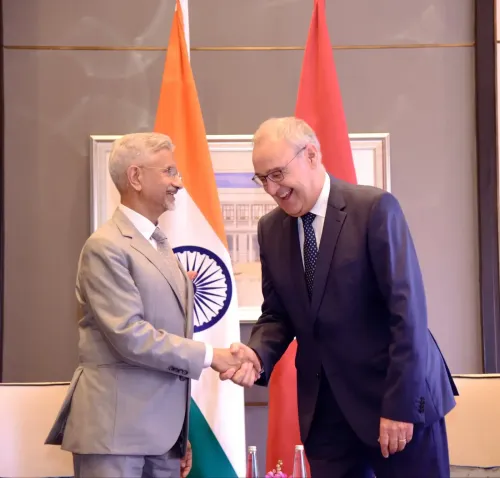
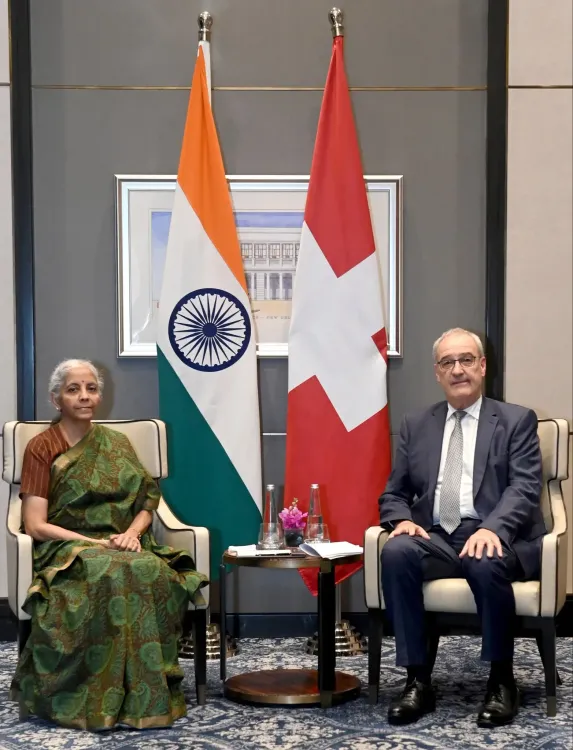
Finance Minister Nirmala Sitharaman held talks with Swiss President Guy Parmelin in New Delhi on 6 October 2026 on fast-tracking the India-Switzerland Bilateral Investment Treaty (BIT) .
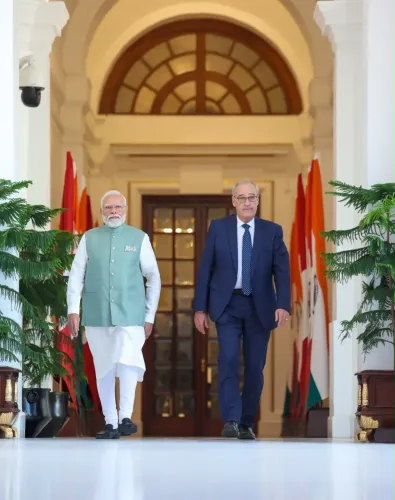
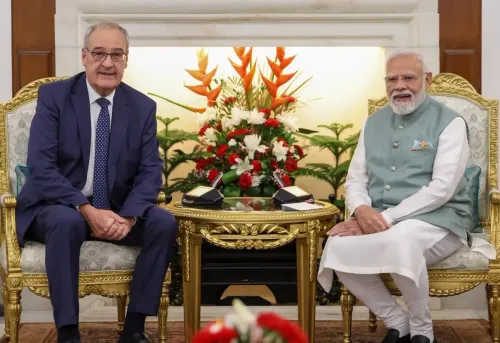
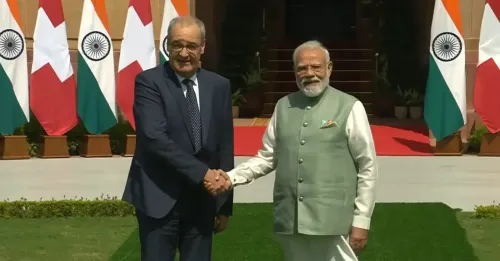
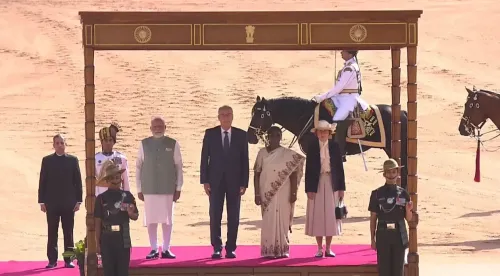
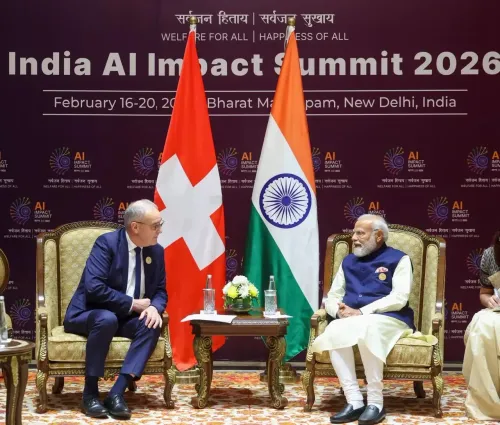
PM Narendra Modi and President Parmelin held a joint press conference on Monday , agreeing to enhance market access for Indian exports including agriculture, pharma, textiles and engineering goods .
Switzerland is expected to channel fresh investment into Indian sectors including biotech, life sciences, banking, insurance, food processing and sustainability .
India and the four EFTA nations — Switzerland, Iceland, Norway and Liechtenstein — implemented TEPA in October 2025 , India’s first FTA with a European economic bloc.
The two sides also discussed cooperation in AI, defence production, nuclear energy , and science and technology .
Finance Minister Nirmala Sitharaman on Tuesday, 6 October 2026, held talks with Swiss President Guy Parmelin in New Delhi on accelerating negotiations for a Bilateral Investment Treaty (BIT) between India and Switzerland, aimed at boosting investment flows and deepening economic engagement between the two nations.
What the Talks Covered
The Finance Ministry, in a post on X, confirmed that Sitharaman called on Parmelin and that discussions focused on ‘issues of common interest’ to both countries, with particular emphasis on advancing the BIT. “They held discussions on issues of common interest to both India and Switzerland, including taking forward negotiations on the Bilateral Investment Treaty which is mutually beneficial to both nations with a view to enhance investment flows and deepening economic engagement,” the ministry stated.
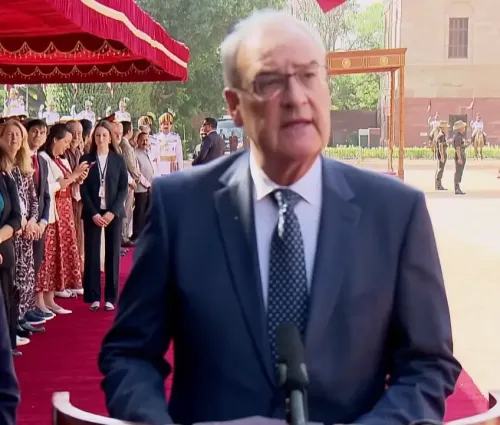
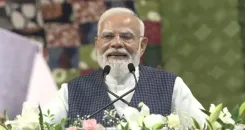
The BIT talks are part of a broader push to translate the growing India-Switzerland partnership into measurable trade and investment outcomes, a priority that Prime Minister Narendra Modi had underscored a day earlier during a joint press conference with the Swiss President on Monday.
Modi-Parmelin Summit: Key Agreements
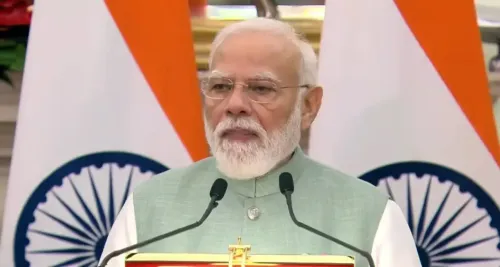
Addressing the joint press conference on Monday, PM Modi said the two sides agreed that reforms in global institutions were essential to address growing global challenges. “India and Switzerland both believe in democratic values, rule of law, dialogue and diplomacy,” he said, adding that India had consistently supported meaningful efforts towards peace in Ukraine and West Asia.
Modi outlined concrete steps on market access and investment facilitation. “We have taken several important decisions to enhance market access for India’s exports in Switzerland and to further facilitate investment between the two countries. This will increase the export of India’s agriculture, pharma, textile, and engineering goods to Switzerland. At the same time, we will attract new Swiss investment in India’s important sectors such as biotech, life sciences, banking, insurance, food processing, and sustainability,” he said.
The two leaders also reviewed the full spectrum of bilateral ties, discussing deeper cooperation in trade, investment, Artificial Intelligence (AI), defence production, nuclear energy, science and technology, and people-to-people ties.
TEPA: The Foundation Already in Place
The bilateral push comes on the back of a significant milestone: India and the four European Free Trade Association (EFTA) members — Switzerland, Iceland, Norway, and Liechtenstein — implemented the Trade and Economic Partnership Agreement (TEPA) in October 2025. Commerce Secretary Rajesh Agarwal had described TEPA as India’s first free trade agreement with a European economic bloc, calling it ‘a framework for investment, innovation, jobs and shared prosperity.’
Notably, with TEPA now operational, the BIT negotiations represent the next logical layer — providing stronger legal protections and dispute-resolution mechanisms for investors on both sides, which TEPA alone does not fully cover.
What Comes Next
Both sides are reportedly focused on expanding market access, facilitating investment, and deepening cooperation in infrastructure, technology, innovation, and supply chains, according to Commerce Secretary Agarwal. The BIT, once finalised, would offer Swiss investors in India and Indian investors in Switzerland a structured legal framework, reducing bilateral investment risk. No timeline for the conclusion of BIT negotiations has been officially announced, but the high-level political engagement from both the Prime Minister and the Finance Minister signals urgency.
Point of View
But investment protection requires a separate, stronger instrument. What is notable is the breadth of sectors Modi named — biotech, AI, defence, nuclear — signalling that India is not merely seeking Swiss capital but Swiss technology and supply-chain access. The unresolved question is timeline; BIT negotiations have historically stretched for years, and without a credible deadline, the political momentum generated by a presidential visit can dissipate quickly. The real test will be whether this high-level signalling translates into a signed treaty before the next election cycle resets the agenda.
NationPress
6 Oct 2026
Frequently Asked Questions
What is the India-Switzerland Bilateral Investment Treaty (BIT)?
The India-Switzerland BIT is a proposed treaty that would provide legal protections and a dispute-resolution framework for investors from each country operating in the other’s territory. Negotiations are ongoing, with Finance Minister Sitharaman and Swiss President Parmelin meeting in New Delhi on 6 October 2026 to advance the process.
What is TEPA and how is it different from the BIT?
TEPA, the Trade and Economic Partnership Agreement, is a free trade agreement between India and the four EFTA nations — Switzerland, Iceland, Norway and Liechtenstein — implemented in October 2025. It covers trade in goods and services, while the BIT would separately provide binding investment protections and investor-state dispute settlement, a layer TEPA does not fully address.
Which sectors will benefit from deeper India-Switzerland investment ties?
PM Modi identified Indian export sectors — agriculture, pharma, textiles and engineering goods — as benefiting from expanded Swiss market access. For inbound Swiss investment, priority sectors include biotech, life sciences, banking, insurance, food processing and sustainability.
What else did PM Modi and Swiss President Parmelin discuss?
Beyond trade and investment, the two leaders discussed cooperation in Artificial Intelligence, defence production, nuclear energy, science and technology, and people-to-people ties. Modi also reiterated India’s support for peace efforts in Ukraine and West Asia.
When was TEPA between India and EFTA implemented?
The Trade and Economic Partnership Agreement between India and the four EFTA nations — Switzerland, Iceland, Norway and Liechtenstein — came into force in October 2025, marking India’s first free trade agreement with a European economic bloc.