Is Indian Railways Accelerating Its Shift to Solar and Wind Energy for Traction?
Synopsis
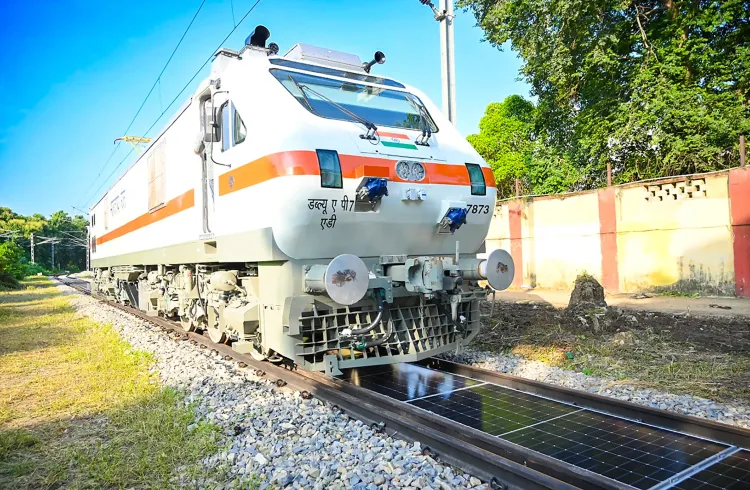
Indian Railways is on a transformative journey toward sustainability, aiming to meet its traction power needs through renewable energy. Minister Ashwini Vaishnaw reveals ambitious plans to reduce carbon emissions significantly by integrating solar and wind energy solutions, marking a significant step towards a greener future.
Key Takeaways
Indian Railways plans to utilize renewable energy for traction.
812 MW of solar and 93 MW of wind power plants are operational.
Goal of becoming a Net Zero Carbon Emitter by 2030 .
Introduction of hydrogen-powered trains as part of sustainability initiatives.
Electrification of the network stands at 99.2% .
New Delhi, Dec 11 (NationPress) The Indian Railways is embarking on a strategic initiative to fulfill its electric power needs for traction by leveraging renewable energy sources, including solar and wind energy, as informed by Railways Minister Ashwini Vaishnaw in Parliament on Thursday. This approach aims to significantly lower its carbon emissions.
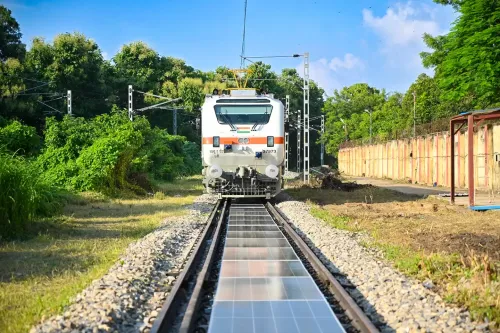
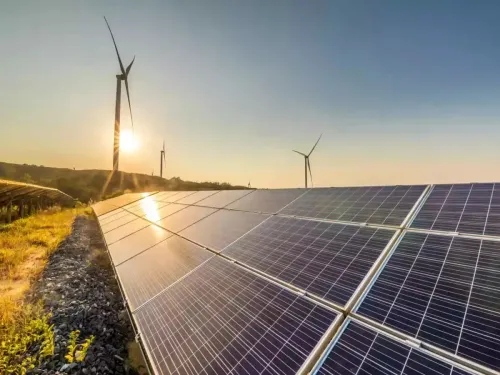
In response to a Lok Sabha inquiry, Vaishnaw revealed that by November 2025, approximately 812 megawatts (MW) of solar energy and around 93 MW of wind energy have been successfully commissioned to support the railways' traction needs. Additionally, 100 MW of renewable energy procured through the Round the Clock (RTC) model from the Solar Energy Corporation of India (SECI) is now operational for traction.
Moreover, a total of 1,500 MW of renewable energy is secured under the RTC scheme, integrating solar, wind, and storage technologies.
In the financial year 2023-24, the expenditure on railway traction was ₹29,614 crore, encompassing various traction types.
The minister also pointed out the advancements in modern technology and the electrification of rail networks, which have contributed to a decrease in the reliance on coal and diesel engines.
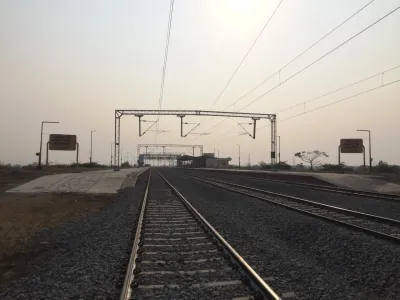
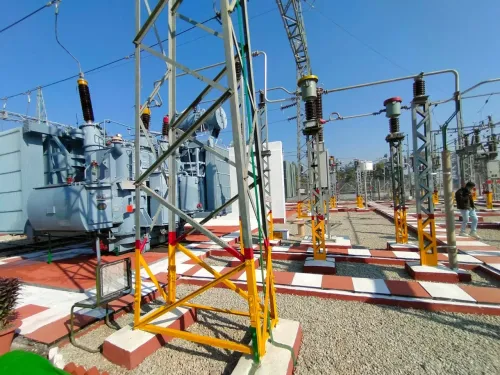
The electrification of the Indian Railways is being pursued vigorously, with approximately 99.2% of the Broad Gauge (BG) network already electrified. The remaining segments are also undergoing electrification. In the period from 2014 to 2025, 46,900 route km were electrified, surpassing the 21,801 route km achieved in the years preceding 2014, as noted by the minister.
Further, Indian Railways is now producing advanced three-phase IGBT technology-based locomotives, which feature regenerative capabilities to recover energy during braking, enhancing their energy efficiency.
Notably, coal-fired steam engines are being used on UNESCO-accredited mountain railways, seasonal steam-hauled services, and charter trains in collaboration with the ICRTC, particularly on routes of heritage significance.
Vaishnaw emphasized that Indian Railways is also advancing a pioneering project to operate its first hydrogen train on a pilot basis, following standards set by the Research, Design & Standards Organisation (RDSO), showcasing the commitment to explore hydrogen-powered train technology. This initiative reflects Indian Railways’ dedication to promoting an environmentally friendly future for the nation’s transport sector.
In line with its objective to achieve Net Zero Carbon Emitter status by 2030, the railways plans to continue progressively fulfilling its energy needs through renewable sources, including solar, wind, and other renewables, as stated by the minister.
Point of View
It’s evident that Indian Railways is taking commendable strides towards sustainable energy by adopting renewable sources. This approach not only addresses environmental concerns but also positions the railways at the forefront of innovative transport solutions. The commitment to electrification and alternative energy signifies a forward-thinking agenda that aligns with global sustainability goals.
NationPress
23 Sept 2026
Frequently Asked Questions
What is the goal of Indian Railways regarding renewable energy?
Indian Railways aims to meet its electric power requirements for traction through a combination of renewable energy sources like solar and wind, with a target to become a Net Zero Carbon Emitter by 2030.
How much renewable capacity has been commissioned?
As of November 2025, approximately 812 MW of solar power and 93 MW of wind power plants have been commissioned to meet traction needs.
What advancements are being made in locomotive technology?
Indian Railways is now manufacturing three-phase IGBT technology-based locomotives that feature regenerative capabilities, enhancing energy efficiency.
What is the significance of the hydrogen train project?
The hydrogen train project, being operated on a pilot basis, demonstrates Indian Railways' commitment to exploring alternative energy solutions in rail travel, contributing to a cleaner environment.
What percentage of the Indian Railways network is electrified?
Approximately 99.2% of the Broad Gauge network has been electrified, showcasing significant progress in reducing reliance on fossil fuels.