Has India's Installed Power Generation Capacity Surpassed 505 GW?
Synopsis
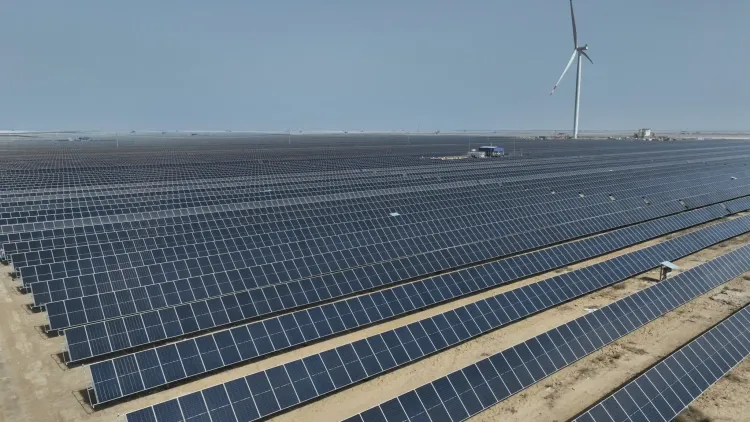
India has achieved a groundbreaking milestone by surpassing 505 GW in installed power generation capacity, with more than 50% derived from non-fossil sources. This significant achievement positions India as a leader in renewable energy and showcases its commitment to combating climate change and ensuring energy security.
Key Takeaways
India's installed power generation capacity has exceeded 505 GW .
Non-fossil fuel sources now account for over 50% of total capacity.
The country achieved this milestone five years ahead of its target.
Key initiatives are in place to boost non-fossil capacity by 2030 .
Nuclear energy expansion plans include a 100 GW target by 2047 .
New Delhi, Dec 18 (NationPress) India has achieved a significant milestone with its installed power generation capacity exceeding 505,023 MW, and the share of non-fossil fuels now surpassing 50%, as reported to Parliament on Thursday.
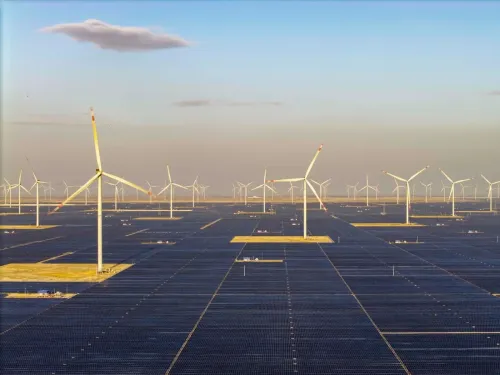
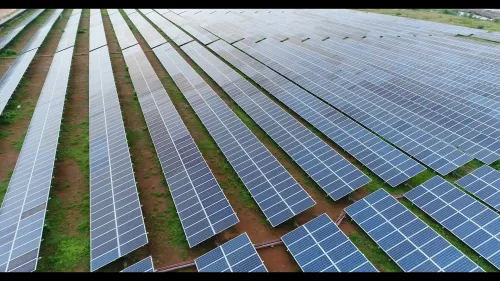
According to Minister of State for Power, Shripad Yesso Naik, as of October 31, 2025, the country's total generation capacity stands at 505,023 MW, of which 245,600 MW is derived from fossil fuels and 259,423 MW from non-fossil sources.
In June 2025, India marked a historic achievement by reaching the 50% threshold for non-fossil fuel electricity capacity, surpassing its Nationally Determined Contributions target by over five years.
This advancement is essential for combating climate change while ensuring energy security, facilitating growth and development, and transitioning the economy towards a net-zero target by 2070.
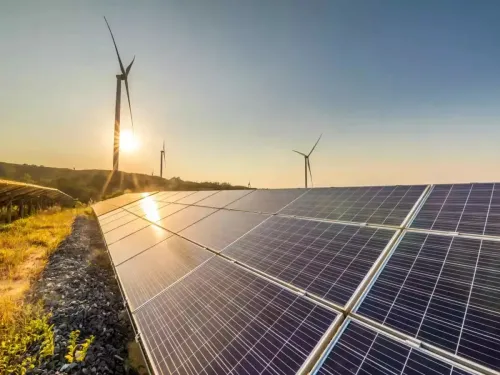
The minister discussed various initiatives aimed at achieving 500 GW of non-fossil capacity by 2030, including waivers for inter-state transmission charges related to specific solar, wind, and green hydrogen projects.
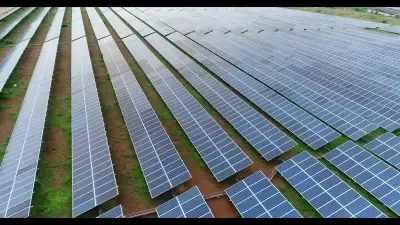
Furthermore, the government has issued standard bidding guidelines for competitive tariff-based procurement of power from grid-connected solar, wind, hybrid, and firm dispatchable renewable energy (FDRE) projects.
Foreign Direct Investment (FDI) in the sector has been allowed up to 100% through the automatic route, according to the statement.
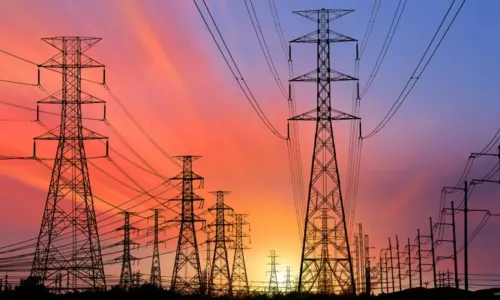
Additionally, plans to enhance transmission and evacuation capabilities through the Green Energy Corridor, solar parks, and ultra-mega solar power projects were outlined. The government is also implementing the Production Linked Incentive (PLI) scheme to boost domestic production of High Efficiency Solar PV Modules.
The minister highlighted nuclear expansion strategies, including a Nuclear Energy Mission with a budget of Rs 20,000 crore aimed at developing five small modular reactors and achieving a target of 100 GW of nuclear energy by 2047.
Point of View
I emphasize that India's achievement in surpassing 505 GW of installed power generation capacity marks a pivotal moment in our journey towards sustainability. This milestone reflects our nation's dedication to clean energy and tackling climate change, reinforcing our commitment to a resilient and environmentally responsible future.
NationPress
5 Oct 2026
Frequently Asked Questions
What is India's current installed power generation capacity?
India's current installed power generation capacity has reached 505,023 MW, with a significant portion coming from non-fossil sources.
When did India achieve 50% non-fossil fuel electricity capacity?
India achieved the milestone of 50% non-fossil fuel electricity capacity in June 2025.
What initiatives are being taken to increase non-fossil fuel capacity?
Initiatives include waivers for inter-state transmission charges and the implementation of the PLI scheme to boost solar PV module production.
What is the target for nuclear energy in India?
India aims to achieve a target of 100 GW of nuclear energy by 2047.
How does this achievement impact climate change efforts?
This achievement is crucial in India's efforts to combat climate change and transition to a net-zero economy by 2070.