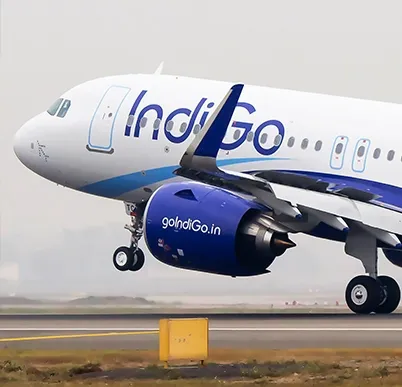
IndiGo CEO Walsh upbeat on Q3 outlook despite fuel cost surge
Synopsis
IndiGo's CEO Willie Walsh says Q3 bookings are robust — but fuel costs that jumped 67% in Q2 will climb even higher in Q3, potentially forcing fresh fare hikes. With a ₹1,879 crore quarterly loss still on the books, the airline is betting that demand resilience and a massive fleet order will carry it through a short-term cost storm.
Key Takeaways
IndiGo CEO Willie Walsh described the October–December 2026 quarter outlook as 'positive' with 'robust' bookings.
Aircraft fuel costs rose 67.2 per cent to ₹9,966.8 crore in the September quarter and are expected to climb further in Q3.
IndiGo reported a consolidated net loss of ₹1,879.1 crore for the July–September 2026 quarter, narrower than the ₹2,582 crore loss a year earlier.
Walsh warned of possible further fare increases to offset rising fuel bills.
US airlines face fuel cost increases of over 60 per cent ; European carriers are better shielded through hedging.
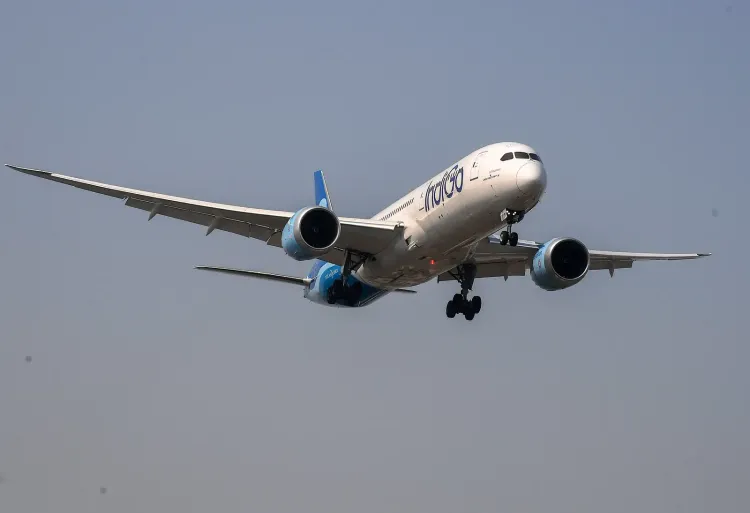
Walsh reaffirmed no change in IndiGo's long-term growth strategy or its large aircraft order pipeline.
IndiGo Chief Executive Willie Walsh expressed confidence on 2 November 2026 that the airline's October–December quarter performance will remain strong, citing robust bookings even as surging fuel costs continue to pressure margins and push airfares higher.
Q3 Outlook and Demand Trends
'The picture for the third quarter remains positive,' Walsh said in a television interview, noting that bookings for the quarter are 'robust.' He added that the July–September quarter is historically the softest period for the aviation industry, and that airline chiefs globally are reporting similar recovery patterns heading into Q3.
Walsh acknowledged passenger sensitivity to fare increases but maintained that financial stability remains a priority. 'We understand that people would prefer to have lower prices. But obviously we have to have an eye on the financial stability of the company, and we're trying to absorb as much as we possibly can,' he said.
Fuel Costs: The Key Pressure Point
Walsh flagged fuel as the most significant headwind. Aircraft fuel costs surged 67.2 per cent to ₹9,966.8 crore in the September quarter, and Walsh warned the figure will climb further in Q3. 'Given the very significant increase in our fuel bill, up 67 per cent in the quarter, and it will be much higher again in the third quarter, that's clearly going to have an impact,' he said, adding that he does not expect this to be a permanent structural drag.
He drew parallels with global carriers, noting that US airlines face fuel cost increases of over 60 per cent — comparable to IndiGo's — while European carriers are relatively shielded due to stronger hedging positions. 'American airlines are recovering part of the increase, though all have lower profitability,' he observed.
IndiGo's September Quarter Results
IndiGo reported a consolidated net loss of ₹1,879.1 crore for the July–September 2026 quarter, narrowing significantly from a loss of ₹2,582 crore in the same period a year earlier. The improvement came even as fuel costs accelerated sharply, reflecting stronger passenger revenue and load factors during the period.
Following the results, Walsh indicated that further fare increases may be unavoidable if fuel bills continue to rise.
Long-Term Strategy Unchanged
Walsh contextualised the current fuel spike within historical precedent, citing the oil shocks of 2008 and 2022 — the latter triggered by Russia's invasion of Ukraine. 'Not many of them are long-term; things tend to stabilise again,' he said. He reaffirmed that IndiGo's strategic direction remains intact, with the airline's large aircraft order positioning it to capitalise on fleet expansion when new planes arrive. 'No change in our long-term strategy,' he remarked.
With demand holding firm and a narrowing loss trajectory, IndiGo's Q3 performance will be closely watched as the decisive test of whether the airline can convert strong bookings into a return to profitability.
Point of View
With a further rise flagged for Q3, makes a return to profitability contingent on how aggressively IndiGo can pass costs to passengers without triggering a load-factor drop. The narrowing of the net loss is encouraging, but it was achieved in a quarter when fuel costs were already at record levels; Q3 will be the real stress test. IndiGo's long-haul fleet order is a strategic asset, but new aircraft deliveries are years away — the airline must navigate the near-term cost crunch on its existing fleet while keeping yield management disciplined enough to avoid a race to fill seats at unsustainable fares.
NationPress
2 Nov 2026
Frequently Asked Questions
What did IndiGo CEO Willie Walsh say about the Q3 2026 outlook?
Walsh said the October–December quarter outlook remains positive, with bookings described as 'robust.' He expects demand for air travel to stay buoyant despite higher fares, in line with trends reported by airline chiefs globally.
How much did IndiGo's fuel costs rise in the September quarter?
IndiGo's aircraft fuel costs rose 67.2 per cent to ₹9,966.8 crore in the July–September 2026 quarter. Walsh warned the fuel bill will be even higher in Q3, and that fares may need to rise further to offset the pressure.
What was IndiGo's net loss in the September 2026 quarter?
IndiGo posted a consolidated net loss of ₹1,879.1 crore for the July–September 2026 quarter. This was a significant improvement from the ₹2,582 crore loss reported in the same quarter a year earlier.
Is IndiGo changing its long-term strategy due to high fuel costs?
No. Walsh explicitly stated there is 'no change' in IndiGo's long-term strategy. The airline remains focused on growth and its large aircraft order, which positions it to benefit when new planes are delivered.
How does IndiGo's fuel cost situation compare to global airlines?
Walsh said US carriers are facing fuel cost increases of over 60 per cent, similar to IndiGo's. European airlines are less affected because of stronger fuel hedging positions. He described the current fuel spike as a short-term industry feature, citing historical precedents from 2008 and 2022.