Smriti Irani: True patriots don't attack men in uniform
Synopsis
BJP leader Smriti Irani posted on October 16, 2026 declaring that genuine pride in the Tricolour is incompatible with attacking or abusing the Indian Army or paramilitary forces, marking a sharp political statement on nationalism and respect for uniformed personnel.
Key Takeaways
BJP leader Smriti Irani posted on X on October 16, 2026 drawing a direct link between pride in the Tricolour and respect for uniformed forces.
The post specifically names both the Indian Army and paramilitary forces such as BSF and CRPF as deserving of respect.
The statement is framed as a prosecutorial binary — not a ceremonial tribute — suggesting a live political target.
A video accompanies the post, indicating the message was part of a broader, structured argument.
BJP leaders have consistently used military-respect messaging since 2014 , but this post's tone is notably combative.
Opposition reactions and any parliamentary references in the upcoming winter session will determine how far this exchange escalates.
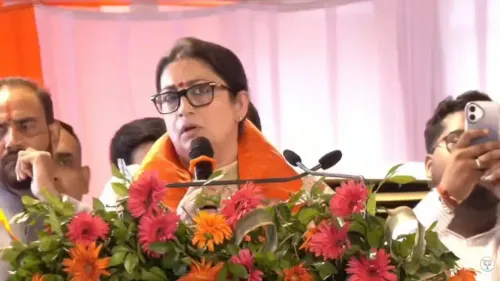
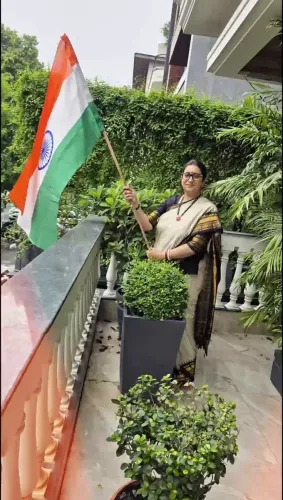
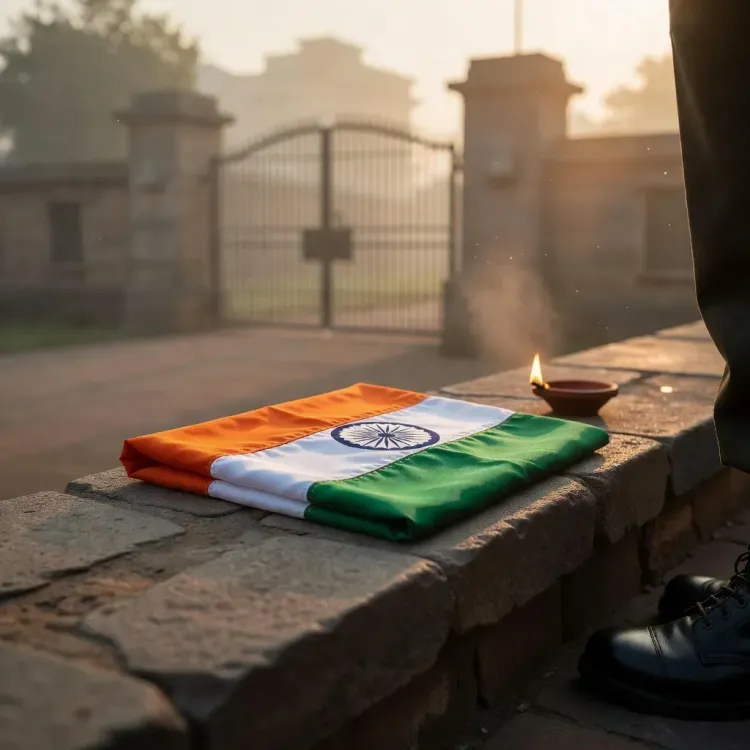
Those who take pride in the Tricolour do not raise their hands against men in uniform — and they certainly do not hurl abuse at the Indian Army or paramilitary forces. That sharp, unambiguous line was drawn on Friday, October 16, 2026, by BJP leader Smriti Irani, who posted the pointed statement on X in what reads as a direct challenge to anyone whose professed nationalism stops at the flag.
In the original Hindi, Irani wrote: 'जो तिरंगे पर शान करते हैं वो वर्दी पहनने वालों पर हमला नहीं करते, भारतीय सेना या अर्द्धसैनिक बलों को गाली नहीं देते...' — translated: 'Those who take pride in the Tricolour do not attack those who wear the uniform, do not abuse the Indian Army or paramilitary forces...' The trailing ellipsis signals the statement was part of a broader argument, and a video accompanies the post.
The uniform Irani is defending — and why it matters
The post names two distinct pillars of India's security architecture. The Indian Army — the country's primary land-based defence force — guards territorial integrity against external threats. The paramilitary forces, which include the BSF and CRPF under the Ministry of Home Affairs, handle border guarding, internal security, and counter-insurgency. Both routinely operate in the country's most dangerous theatres. To conflate pride in the Tricolour with contempt for the people who defend it, Irani's post implies, is a contradiction that cannot stand.
A recurring BJP refrain — but sharper this time
BJP leaders have consistently anchored public messaging around military respect since 2014, but Irani's phrasing is notably prosecutorial rather than ceremonial. This is not a Veterans' Day tribute or a Republic Day salute — it is an accusation framed as a principle. Such statements have historically surfaced during periods of domestic controversy over security operations or protests where the conduct or mandate of the armed forces has been questioned in public discourse.
The specific trigger for this October 16 post has not been independently confirmed, but the combative register — and the video accompanying it — suggests a direct response to a live political moment rather than a routine affirmation of patriotism.
What the political temperature tells us
Statements of this kind rarely exist in a vacuum. When a senior minister-rank leader posts a stark binary — you either honour the flag and the soldier, or you do neither — it is typically a move to force an opponent into a defensive position. Opposition leaders and military veterans' groups are now the ones to watch: how they respond, or whether they respond at all, will define the next phase of this exchange. Any escalation could find its way into parliamentary references when the winter session convenes.
The Tricolour has long been India's most potent political symbol. Irani has now planted it firmly beside the soldier's uniform — and dared anyone who disagrees to say so publicly.
Point of View
Recent provocation rather than issued as a general principle. If the target is an identifiable political actor or event, this could sharpen into a significant exchange that reverberates in the winter session. More broadly, the post reflects how defence and nationalism remain the BJP's most reliable terrain for drawing ideological battle-lines.
NationPress
16 Oct 2026
Frequently Asked Questions
What did Smriti Irani post about the Indian Army?
On October 16, 2026, Smriti Irani posted on X stating that those who take genuine pride in the Tricolour do not attack or abuse members of the Indian Army or paramilitary forces.
Who are the paramilitary forces mentioned in Smriti Irani's post?
India's paramilitary forces include central armed police forces such as the BSF (Border Security Force) and CRPF (Central Reserve Police Force), which operate under the Ministry of Home Affairs for border guarding, internal security, and counter-insurgency.
Why did Smriti Irani make this statement about the armed forces?
The specific trigger has not been independently confirmed, but the combative register of the post and the accompanying video suggest it was a direct response to a live political controversy involving criticism of the armed forces or paramilitary personnel.
What is Smriti Irani's political position in India?
Smriti Irani is a senior BJP leader and former Union Minister who has held cabinet portfolios including Women and Child Development and Minority Affairs since 2014.
How does BJP typically use armed forces messaging in Indian politics?
BJP leaders have consistently anchored public messaging around military respect and national symbols since 2014, often deploying such statements during periods of domestic debate over security operations or protests to contrast their position with that of opponents.