Extensive ISI CCTV Spy Network Targets India's Toll Plazas
Synopsis
The ISI's espionage efforts now extend to toll plazas across India, raising alarms about potential terrorist operations and the gathering of critical traffic data. This investigation reveals the depth of the threat and the measures being taken to counteract it.
Key Takeaways
The ISI has expanded its surveillance network to include toll plazas.
Data collected can aid in planning terrorist attacks.
More than 1,000 toll plazas in India are equipped with CCTV cameras.
The investigation has led to the dismantling of several espionage modules.
Operation Sindoor significantly affected ISI's operations in India.
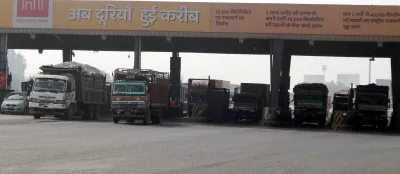
New Delhi, April 14 (NationPress) Recent inquiries into the ISI's CCTV surveillance scandal have uncovered that, in addition to monitoring railway stations and military sites, the suspects were instructed to keep a vigilant eye on toll plazas. This highlights the vast scope of information the ISI aimed to collect throughout India.
The primary goal was to gather data on traffic and security at these toll plazas for various motives. A terror strike at a toll plaza could cause chaos and disrupt transportation. Officials suggest that the ISI might have been plotting to target containers and other vital goods vehicles that pass through these points.
Moreover, data from toll plazas is essential for terrorist operations. Real-time information regarding security measures and vehicle movements at these locations aids terror organizations and drug traffickers in transporting weapons and narcotics, another official noted. It also facilitates the planning of ambushes targeting vehicles.
Additionally, such data could be leveraged to orchestrate a car bomb detonation, potentially leading to significant disruptions and loss of life, an official emphasized. There is a growing demand among terror factions for executing car bomb attacks. Investigations into the Faridabad module case indicated that the suspects intended to execute multiple car bomb blasts across Northern India. Following intelligence alerts in Jammu and Kashmir, leading to seizures, one suspect panicked and detonated a car bomb near the Red Fort in Delhi.
Presently, more than 1,000 toll plazas are operational in India, all equipped with Closed-Circuit Television Cameras. Plans were in place to install solar-powered CCTV systems at strategic toll plazas to gather extensive data.
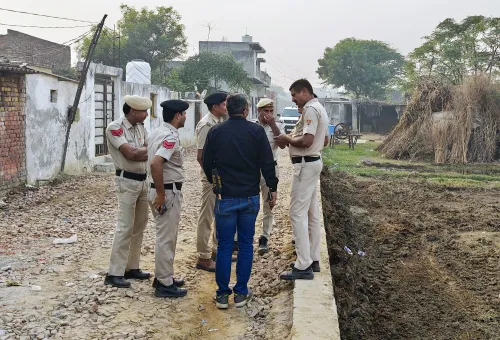
The breakthrough in this espionage investigation was achieved by the Ghaziabad police, which discovered that the network was attempting to establish CCTV cameras at nearly 50 locations, including railway stations, busy public areas, and military sites.
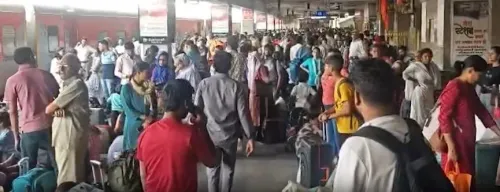
The module had successfully installed at least two cameras at the Delhi Cantonment and Sonipat Railway Stations, which transmitted live footage for approximately 15 days before being taken down on March 18.
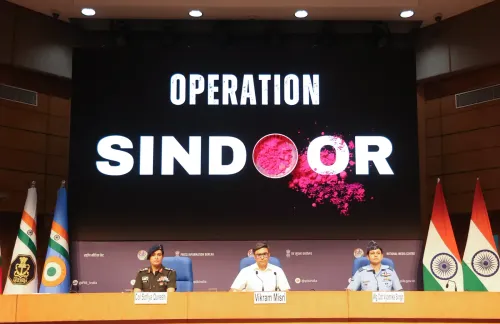
An official from the Intelligence Bureau indicated that the ISI has been re-evaluating its strategies since the Indian armed forces executed Operation Sindoor, dismantling terrorist networks in both Pakistan and Pakistan-occupied Kashmir (PoK).
This operation, conducted in response to the Pahalgam attack that claimed the lives of innocent tourists, also led to the disintegration of the ISI's conventional intelligence capabilities within India. Subsequent operations by Indian agencies unveiled numerous espionage networks, including one that involved social media influencers like Jyoti Malhotra, aimed at not only gathering sensitive information but also promoting a positive image of Pakistan.
With multiple modules being dismantled, the ISI opted to implement this low-cost intelligence-gathering system to stream live footage from sensitive and populous locations. Operatives were compensated between Rs 8,000 and Rs 10,000 for setting up a CCTV camera. The discovery of this module has also prompted a comprehensive audit of CCTV procurements, particularly those sourced from China.
Point of View
It is crucial to convey the severity of the ISI's expansion into toll plaza surveillance. This situation not only underscores the persistent threat of terrorism in India but also emphasizes the need for heightened security measures and public awareness.
NationPress
19 Sept 2026
Frequently Asked Questions
What was the purpose of the ISI's surveillance at toll plazas?
The ISI aimed to gather traffic and security data at toll plazas, potentially to facilitate terror attacks and coordinate smuggling operations.
How many toll plazas are currently operational in India?
There are over 1,000 operational toll plazas equipped with CCTV cameras throughout India.
What was Operation Sindoor?
Operation Sindoor was a military initiative by the Indian armed forces that aimed to dismantle terrorist networks in Pakistan and Pakistan-occupied Kashmir.
What was discovered during the investigation into the espionage module?
The investigation revealed that the module sought to install CCTV cameras at nearly 50 locations, including railway stations and military sites.
What compensation were operatives paid for setting up CCTV cameras?
Operatives were paid between Rs 8,000 and Rs 10,000 for the installation of CCTV cameras.