How Are Combat Roles and Propaganda Luring Indian Recruits to ISKP in Afghanistan?
Synopsis
With the Islamic State shifting its focus to Afghanistan, Indian recruits are increasingly drawn to combat roles and glorified propaganda, making the ISKP an appealing choice. The recruitment strategy leverages cultural familiarity and operational advantages, raising concerns about the radicalization of youth.
Key Takeaways
The ISKP is actively recruiting Indian operatives in Afghanistan.
Combat roles and propaganda are significant factors in attracting recruits.
Returnees report dissatisfaction with previous roles in the organization.
Online activity related to ISKP has surged, targeting Indian youth.
Agencies are on high alert due to the ongoing recruitment efforts.
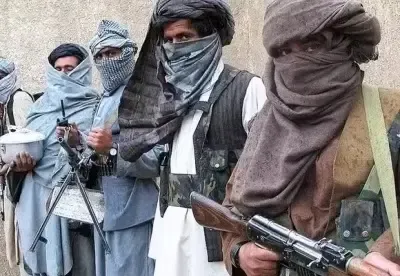
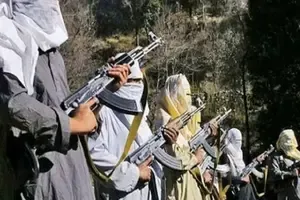
New Delhi, Feb 6 (NationPress) In 2019, it was estimated that around 200 Indians were affiliated with the Islamic State, but many returnees reported being assigned to menial roles and facing discrimination. This trend has shifted, as the Islamic State is now relocating a majority of its Indian operatives to Afghanistan, where the Islamic State Khorasan Province (ISKP) is enticing them with opportunities in combat and glorified propaganda.
Previously, these operatives migrated from India and other Middle Eastern nations to join the organization in Syria and Iraq. Returnees expressed dissatisfaction with their low-status assignments, leading many to desire a return home.
Presently, the landscape has changed, with the Islamic State shifting focus to Afghanistan, where ISKP is more influential.
This group has successfully radicalized numerous Indian youths, striving to extract them from India and position them in Afghanistan.
Indian operatives are increasingly favoring Afghanistan over Syria and Iraq for several reasons, including cultural familiarity and operational ease, as noted by officials.
Security agencies are vigilantly monitoring the potential movement of Islamic State operatives from India to Afghanistan. The ISKP has suffered significant losses and is keen on bolstering its ranks.
Among all recruited nationals, Indian operatives have exhibited the highest interest in engaging in combat in Afghanistan.
An official from the Intelligence Bureau indicated that the route may not be direct; many operatives may first travel to Gulf nations to minimize detection before proceeding to Afghanistan.
Before establishing operations in Afghanistan, Indian operatives had limited choices, primarily between Syria and Iraq. The chilling accounts shared by returnees led to a notable decline in recruitment from India.
Those who returned were often relegated to unremarkable positions and barred from combat, causing considerable discontent among Indian cadres. However, the scenario in Afghanistan is markedly different, as they are now being assigned combat roles and utilized as suicide bombers, making it an appealing option for Indian recruits.
Recent instances of Indian recruits being selected as suicide bombers include Abu Khalid al-Hindi, Abu Rajah al-Hindi, and Najeeb al-Hindi.
This aspect is not the sole draw for Indian recruits; participants in attacks or those designated as suicide bombers are celebrated as heroes by the ISKP.
The organization employs a sophisticated communication platform to disseminate its propaganda. For instance, Najeeb's narrative was highlighted across four pages in an issue of their magazine, Voice of Khorasan.
Similarly, another operative from Kerala, Abu Khalid al-Hindi, was prominently featured in the same publication.
The article narrates their sacrifices and the adversities they overcame to reach Afghanistan. Such stories are extensively utilized by the ISKP for indoctrination and recruitment purposes.
According to an Intelligence Bureau official, online activity has surged in recent months, with the ISKP's increasing emphasis on Indian operatives captivating the youth.
The overarching strategy is to recruit thousands from India and facilitate their journey into Afghanistan. Given the escalating challenges in the region, the ISKP is in dire need of personnel to sustain its operations, and they deem Indian recruits to be exceptionally qualified for the task. This trend is likely to continue, prompting agencies to maintain heightened vigilance, officials assert.
Point of View
It is vital to address the troubling developments regarding the recruitment of Indian operatives by ISKP in Afghanistan. The shift from menial roles to combat positions presents significant security concerns, and the radicalization of youth must be tackled through comprehensive strategies and community engagement.
NationPress
19 Sept 2026
Frequently Asked Questions
What has changed in ISKP's recruitment strategy?
ISKP has shifted its focus from Syria and Iraq to Afghanistan, offering combat roles and glorified propaganda to attract Indian recruits.
Why do Indian recruits prefer Afghanistan?
Indian operatives find cultural similarities and operational ease in Afghanistan, making it more appealing than the Middle Eastern countries.
What are the implications of Indian recruitment for national security?
The recruitment of Indian operatives raises significant security concerns, as it could lead to increased radicalization and operational capabilities of ISKP.
How are returnees from ISKP treated?
Many returnees report dissatisfaction with their roles, often being assigned menial tasks and facing discrimination within the organization.
What role does propaganda play in recruitment?
Propaganda is crucial for ISKP, as it celebrates operatives as heroes, which serves to recruit and indoctrinate more individuals.