Jagannath Rath Yatra 2025: Lakhs throng Puri as grand chariot procession begins
Synopsis
Lakhs of devotees descended on Puri on 16 July as the Jagannath Rath Yatra 2025 got under way — one of India's largest religious gatherings. With over 13,000 security personnel, 473 CCTV cameras, 65 LED screens, and special trains on two routes, the scale of state preparation matches the scale of devotion that this centuries-old chariot procession commands.
Key Takeaways
The Jagannath Rath Yatra 2025 commenced on 16 July in Puri, Odisha , drawing lakhs of pilgrims from across India and abroad.
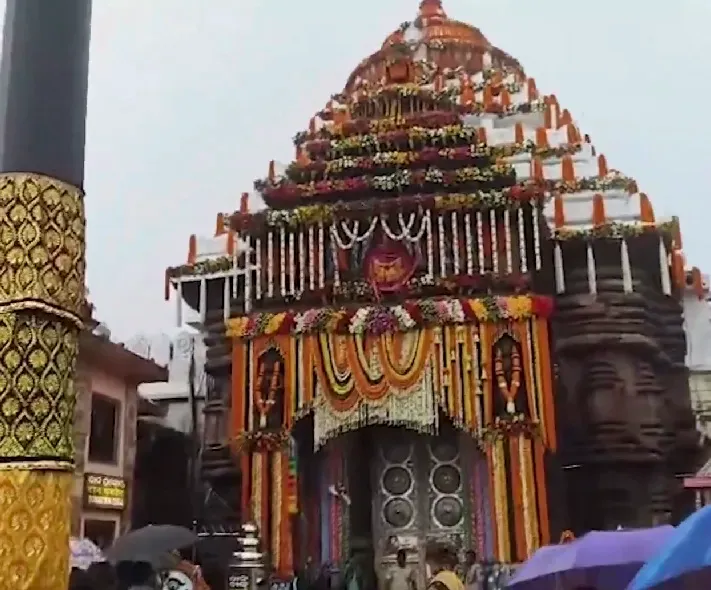
The procession carries the three sibling deities — Lord Jagannath , Lord Balabhadra , and Goddess Subhadra — from the Jagannath Temple to the Gundicha Temple .
More than 13,000 police personnel and CAPF forces were deployed; 19 senior IPS officers are supervising overall security.
Authorities installed 473 CCTV cameras , 595 permanent and 1,050 temporary signages, and 65 LED screens in three languages.
Indian Railways is running special trains between Jagdalpur–Puri and Rayagada–Puri to ease pilgrim travel.
The Indian Coast Guard and Indian Navy are on alert to monitor the coastal route during the festival.
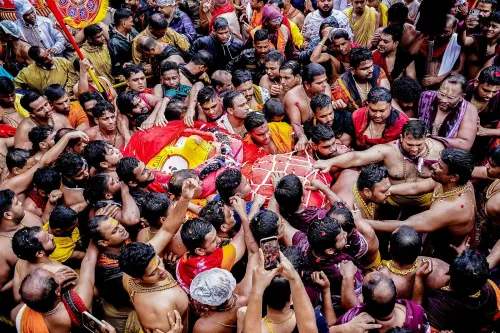
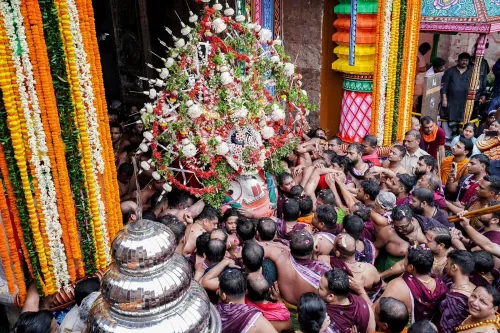
The Jagannath Rath Yatra 2025 commenced on Thursday, 16 July in Puri, Odisha, drawing lakhs of devotees from across India and abroad to witness the annual chariot procession of Lord Jagannath, Lord Balabhadra, and Goddess Subhadra. Authorities deployed over 13,000 police personnel and a battery of surveillance infrastructure to manage what is one of the country's largest religious gatherings.
The Sacred Significance of the Yatra
The Rath Yatra is the only occasion in the annual calendar when the presiding deities of the Jagannath Temple leave the sanctum sanctorum and travel through the streets of Puri. This centuries-old tradition carries profound religious meaning — it is widely regarded as an expression of divine compassion, with Lord Jagannath descending among his devotees irrespective of social or cultural distinctions.
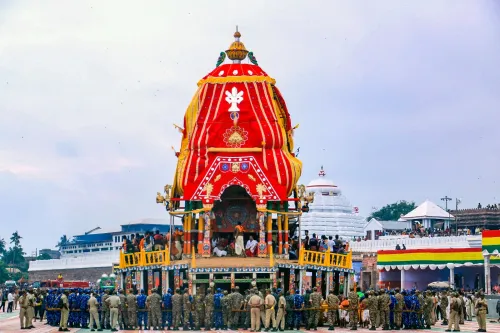
During the procession, the three sibling deities are ceremonially placed on three magnificently decorated wooden chariots, which are then pulled by thousands of devotees amid chants and devotional songs. The chariots travel from the Jagannath Temple to the Gundicha Temple, where, according to tradition, the deities visit their aunt — a sacred journey that draws pilgrims, saints, and tourists from across the globe every year.
Security and Crowd Management Arrangements
Anticipating the massive influx of pilgrims, the Odisha Police activated dynamic traffic management protocols across Puri. Authorities installed 595 permanent and 1,050 temporary signages to guide devotees, while 19 senior IPS officers were assigned to supervise overall security operations.
More than 13,000 police personnel, supported by Central Armed Police Forces (CAPF), were deployed across the festival zone. The Indian Coast Guard and the Indian Navy were also placed on alert to monitor the coastal route for any illegal activity — a reflection of the scale of security planning that the yatra demands.
Surveillance and Communication Infrastructure
The state government installed 473 CCTV cameras to monitor crowd movement, complemented by 65 large LED screens broadcasting real-time information to devotees in Odia, Hindi, and English. To ensure uninterrupted connectivity, authorities set up 16 permanent mobile towers alongside several temporary towers, with bulk messaging facilities deployed to disseminate critical updates to pilgrims.
Special Trains Announced for Pilgrims
Indian Railways announced the operation of special train services on multiple routes to ease the movement of pilgrims during the festival period. The special trains are scheduled to run between Jagdalpur and Puri, as well as between Rayagada and Puri, providing additional travel options for the surge in passenger demand. This comes amid annual pressure on rail connectivity in the region during the yatra period.
What the Festival Represents
The Jagannath Rath Yatra stands as one of India's most significant religious and cultural events, attracting pilgrims not just from every corner of the country but also international visitors drawn by its scale and spiritual depth. Notably, the festival's tradition of allowing devotees from all walks of life to pull the chariots and seek blessings directly from the deities has historically made it a symbol of social inclusion in Hindu religious practice. With the 2025 edition now under way, authorities will be closely tracking crowd dynamics throughout the multi-day event.
Point of View
000 personnel, naval coastal watch, 473 cameras — reflects how India's mega-religious gatherings have become complex logistical operations as much as spiritual events. What this year's arrangements also underscore is the growing role of state infrastructure in shaping the pilgrim experience: LED screens, bulk messaging, and multilingual signage mark a shift from organic crowd management to digitally assisted governance of faith. The deeper question is whether this infrastructure investment is matched by similar attention to basic amenities — sanitation, medical response, and shelter — for the lakhs who travel long distances with limited resources.
NationPress
15 Oct 2026
Frequently Asked Questions
When did the Jagannath Rath Yatra 2025 begin?
The Jagannath Rath Yatra 2025 commenced on Thursday, 16 July, in Puri, Odisha. The festival marks the annual chariot procession of Lord Jagannath, Lord Balabhadra, and Goddess Subhadra through the streets of Puri.
What is the significance of the Jagannath Rath Yatra?
The Rath Yatra is the only occasion when the presiding deities of the Jagannath Temple leave the sanctum and travel publicly through Puri's streets, allowing devotees from all walks of life to seek their blessings directly. It symbolises divine compassion and social inclusion, and is one of India's largest religious festivals.
What security arrangements have been made for Rath Yatra 2025 in Puri?
Over 13,000 police personnel and Central Armed Police Forces (CAPF) have been deployed, supervised by 19 senior IPS officers. The state also installed 473 CCTV cameras, 595 permanent and 1,050 temporary signages, and placed the Indian Coast Guard and Indian Navy on coastal alert.
Are there special trains for Jagannath Rath Yatra 2025?
Yes, Indian Railways announced special train services running between Jagdalpur and Puri, and between Rayagada and Puri, to ease pilgrim travel during the festival period. These services are aimed at managing the surge in passenger demand.
Where does the Rath Yatra procession travel?
The chariot procession travels from the Jagannath Temple to the Gundicha Temple in Puri. According to tradition, the deities visit their aunt at the Gundicha Temple during this sacred journey before returning to the main temple.