Jaishankar Delivers India's Statement at UNGA 81st Session
Synopsis
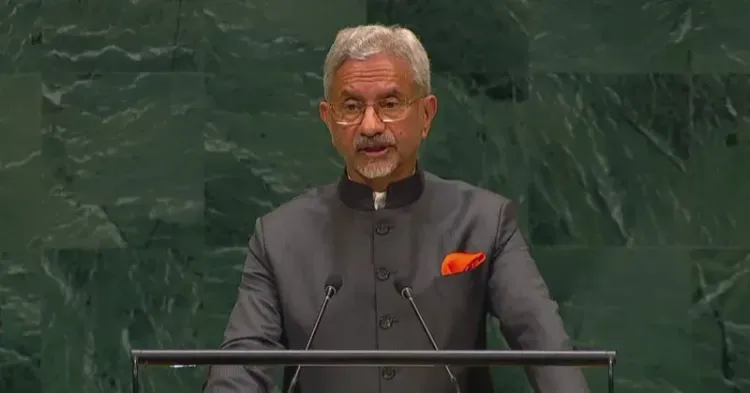
External Affairs Minister Dr. S. Jaishankar delivered India's national statement at the 81st UN General Assembly session on 26 September 2026 in New York, continuing an unbroken Indian diplomatic tradition since 1946 and reinforcing New Delhi's role as a leading voice of the Global South.
Key Takeaways
Jaishankar delivered India's statement at the 81st session of the UN General Assembly on 26 September 2026 .
India has addressed every regular UNGA session since 1946 , making this part of an 80-year diplomatic tradition.
The annual UNGA general debate is India's primary multilateral forum to formally state positions on global governance, UN reform, and development.
Jaishankar is a former Foreign Secretary and served as Indian Ambassador to the United States , China , and Singapore before becoming External Affairs Minister in 2019 .
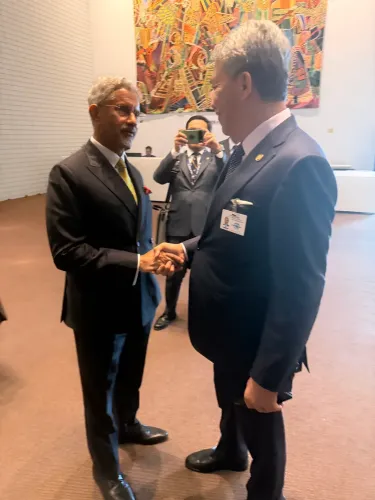
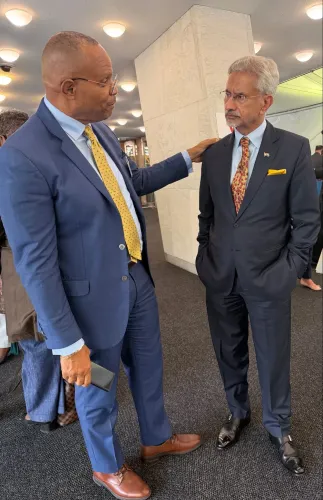
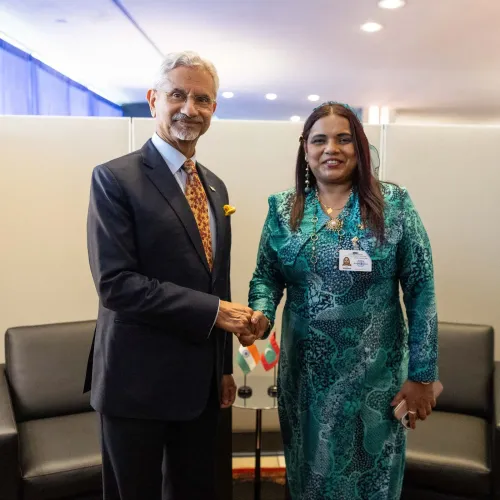
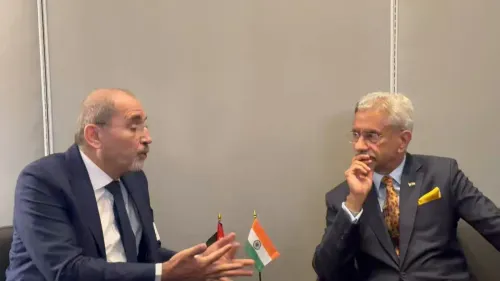
Bilateral meetings on the sidelines of UNGA's high-level week in New York often carry equal or greater diplomatic weight than the formal address itself.
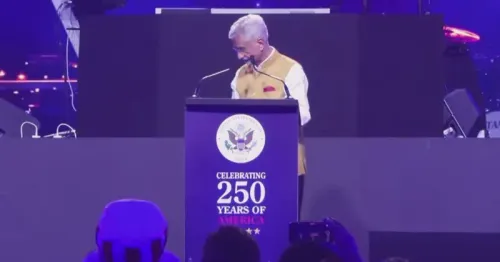
On the world's most consequential diplomatic stage, Union External Affairs Minister Dr. S. Jaishankar stepped before the United Nations General Assembly on Saturday, 26 September 2026, to deliver India's national statement at the 81st session — a moment where a nation of 1.4 billion presents its case to every government on earth.
India at the UN podium — a tradition stretching back 80 years
India has addressed every regular session of the General Assembly since 1946, making it one of the founding voices of the multilateral order. The annual general debate — held each September during the high-level week — is not merely ceremonial. It is the primary vehicle through which New Delhi formally places its positions on record: on multilateral reform, on development financing, on global governance, and on the crises that dominate the current international calendar.
For successive External Affairs Ministers, the UNGA address has served a dual function — articulating India's foreign policy priorities to the global community while simultaneously reinforcing New Delhi's claim to be the pre-eminent voice of the Global South.
Dr. Jaishankar at Turtle Bay — the weight of the brief
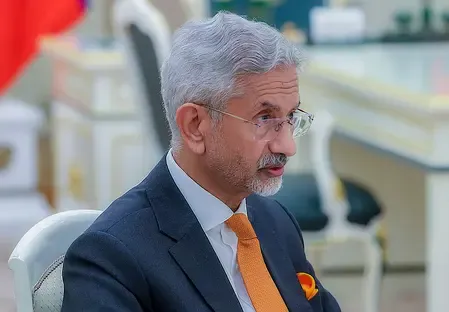
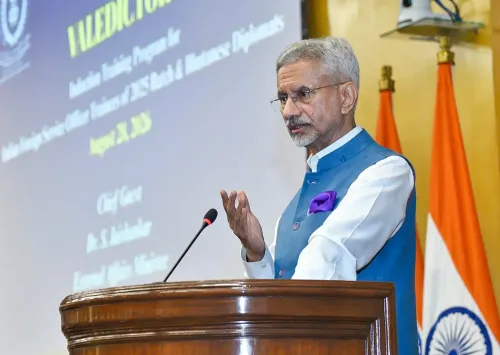
Dr. Jaishankar brings rare continuity to this role. As Union Minister of External Affairs since 2019, he is also a former Foreign Secretary and served as Indian Ambassador to the United States, China, and Singapore — a combination of diplomatic postings that spans virtually every axis of contemporary geopolitics. That biography matters when a minister takes the UNGA lectern: the address carries the credibility of a career diplomat, not merely a political appointee.
The 81st session of the General Assembly convenes against a backdrop of persistent pressure on the multilateral system — from unresolved conflicts to calls for reform of the UN Security Council, a cause India has championed for years. The sideline meetings that accompany UNGA's high-level week often prove as consequential as the formal statements themselves, and New Delhi's bilateral calendar in New York will be closely watched.
What the speech signals — and what to watch next
While the precise content of India's 2026 UNGA statement is yet to be detailed publicly, the address is part of an unbroken diplomatic tradition that frames India's global aspirations each year. Any new proposals or commitments flagged by Dr. Jaishankar at the podium will quickly enter the diplomatic bloodstream, shaping bilateral conversations in the margins — and the agenda back in New Delhi.
When India speaks at the United Nations, it is not just reporting on foreign policy. It is making it.
Point of View
Global South advocacy, and multipolarity all live debates inside the UN system, the statement feeds into a long-running strategic communication effort to elevate India's standing as an indispensable power. The sideline bilaterals at New York during the high-level week are equally consequential: they are where ministerial-level diplomacy is compressed into hours, with consequences that unfold over months. Jaishankar's dual profile — veteran diplomat and political minister — gives India's UN voice a credibility few comparable nations can match.
NationPress
27 Sept 2026
Frequently Asked Questions
What is the UNGA general debate and why does India participate?
The UN General Assembly general debate is an annual high-level week in September where heads of state and foreign ministers deliver national statements. India has participated in every session since 1946 as a founding UN member, using the platform to articulate its foreign policy positions.
When did Jaishankar deliver India's statement at UNGA 81?
Dr. S. Jaishankar delivered India's statement at the 81st session of the UN General Assembly on Saturday, 26 September 2026.
What is India's position on UN Security Council reform?
India has long advocated for reform of the UN Security Council, including expansion of permanent membership to better reflect contemporary geopolitical realities. This position has been a recurring theme in India's annual UNGA statements.
What is Dr. Jaishankar's diplomatic background?
Dr. S. Jaishankar is India's External Affairs Minister since 2019. Before entering politics, he served as India's Foreign Secretary and as Ambassador to the United States, China, and Singapore — among the most strategically significant postings in Indian diplomacy.
Why are sideline meetings at UNGA important for India?
The high-level week of the UN General Assembly concentrates world leaders and foreign ministers in one place, allowing India to hold multiple bilateral meetings in a short window. These meetings often advance diplomatic initiatives or signal shifts in bilateral relationships.