CM Naidu Backs Election Commission's Clarification on Voter Roll Revision
Synopsis
Andhra Pradesh CM and TDP chief N. Chandrababu Naidu publicly endorsed the Election Commission's unanimous clarification on the Special Intensive Revision of electoral rolls, warning that attempts to undermine India's electoral institutions for short-term political gains are 'deeply unfortunate.'
Key Takeaways
Chandrababu Naidu backed a unanimous clarification issued by the Election Commission of India on September 26, 2026 .
The clarification was issued collectively by Chief Election Commissioner Gyanesh Kumar , S.
Sandhu , and Vivek Joshi .
The subject of the clarification is the Special Intensive Revision of electoral rolls , a constitutional exercise to update voter lists.
Naidu warned against 'attempts to undermine global confidence in India's democratic framework for short-term political gains.' He called upholding public confidence in elections a 'collective responsibility of leaders across party lines.' The post directly tagged the Election Commission's official handle @ECISVEEP , placing the statement in its public timeline.
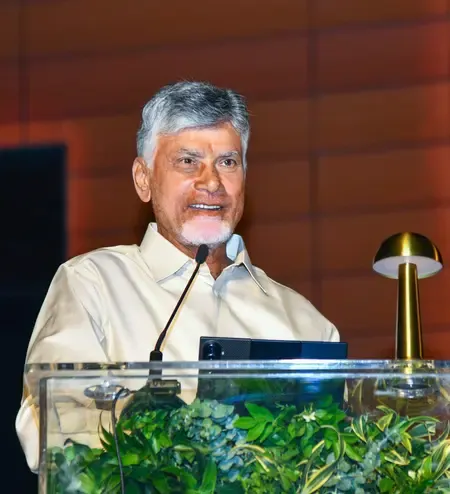
When a constitutional body speaks in one voice, a seasoned politician listens — and amplifies. Andhra Pradesh Chief Minister N. Chandrababu Naidu on Saturday, September 26, 2026, publicly backed a unanimous clarification issued by the Election Commission of India, calling it a reaffirmation of the integrity of India's constitutional institutions and a decisive end to what he described as 'misconceptions' surrounding the body's electoral roll revision exercise.
The Commission Speaks — and Naidu Stands Behind It
The clarification in question was issued collectively by Chief Election Commissioner Gyanesh Kumar, alongside Election Commissioners S. S. Sandhu and Vivek Joshi — all three names cited by Naidu, pointedly underscoring that the statement was not unilateral but institutional. The subject: the Special Intensive Revision of electoral rolls, a periodic constitutional exercise through which the Election Commission updates voter lists ahead of elections. Naidu stressed that 'decisions concerning the Special Intensive Revision are taken collectively and in strict adherence to established institutional protocols.'
A Shot Across the Bow at Opposition Criticism
The TDP national president did not name any party, but the message was unmistakable. 'Attempts to undermine global confidence in India's democratic framework or electoral processes for short-term political gains are deeply unfortunate,' Naidu wrote — language that signals the clarification was prompted by pointed opposition questioning of the revision process. In Indian political cycles, voter roll exercises frequently become flashpoints, with opposition parties raising transparency concerns and ruling parties defending institutional authority.
Naidu went a step further, framing the defence of the Election Commission as a cross-party obligation: 'It is the collective responsibility of leaders across party lines to uphold public confidence in India's democratic process.' The inclusion of the official @ECISVEEP handle in his post ensured the statement landed directly in the Commission's public timeline.
The Grace of Winning — and Losing
Embedded in Naidu's post was a quieter but pointed message about democratic culture. 'In a robust democracy, leadership also means accepting both victories and defeats with grace and humility,' he wrote — a line that veteran political readers will recognise as directed at those contesting electoral outcomes rather than working through institutional channels. For Naidu, a politician who has himself navigated dramatic electoral reversals over a long career, the words carry biographical weight.
The Election Commission of India, established under Article 324 of the Constitution, holds exclusive authority over the superintendence, direction, and control of elections. Its periodic intensive revision exercises are designed to add newly eligible voters, remove deceased entries, and correct errors — processes that, by their scale, inevitably invite scrutiny.
What Comes Next in This Fight
Opposition responses to both the Commission's clarification and Naidu's endorsement of it are now the key signal to watch. Legal petitions challenging the scope or methodology of the Special Intensive Revision remain a live possibility. The fact that a senior NDA ally has stepped up to publicly frame the Commission's defence in constitutional terms suggests the political stakes around this revision cycle are higher than routine.
Democratic credibility, Naidu argued, is not just an institutional asset — it is a shared responsibility. Whether that appeal finds takers across the aisle will define the next chapter of this debate.
Point of View
He signals that the body's decision is collective and insulated from the allegation of individual bias. The move fits a broader NDA-alliance pattern of pre-emptively defending the Election Commission when opposition parties mount transparency challenges ahead of electoral cycles. The pointed line about accepting 'victories and defeats with grace' hints that the underlying dispute may involve contesting parties seeking to delegitimise results, making this as much a statement about post-election conduct as about procedural process.
NationPress
27 Sept 2026
Frequently Asked Questions
What is the Special Intensive Revision of electoral rolls in India?
The Special Intensive Revision is a periodic exercise conducted by the Election Commission of India to update voter lists — adding newly eligible voters, removing deceased entries, and correcting errors — typically carried out ahead of elections as per constitutional mandate.
Why did Chandrababu Naidu back the Election Commission's clarification?
Naidu stated that the unanimous clarification 'reaffirms the integrity and credibility of our constitutional institutions,' signalling his support for the ECI amid what he described as politically motivated attempts to undermine confidence in India's electoral processes.
Who are the current Election Commissioners named by Naidu?
Naidu named Gyanesh Kumar as Chief Election Commissioner and S. S. Sandhu and Vivek Joshi as Election Commissioners, collectively responsible for the institutional clarification he endorsed.
What did Chandrababu Naidu say about political parties and the Election Commission?
He said it is 'the collective responsibility of leaders across party lines to uphold public confidence in India's democratic process,' urging all parties to defend rather than undermine constitutional institutions.
What is the Election Commission of India's constitutional authority?
The Election Commission of India derives its authority from Article 324 of the Constitution, which grants it exclusive superintendence, direction, and control over the conduct of elections to Parliament and state legislatures.