Jaishankar Honours Kargil Vijay Diwas, Salutes Soldiers' Valour
Synopsis
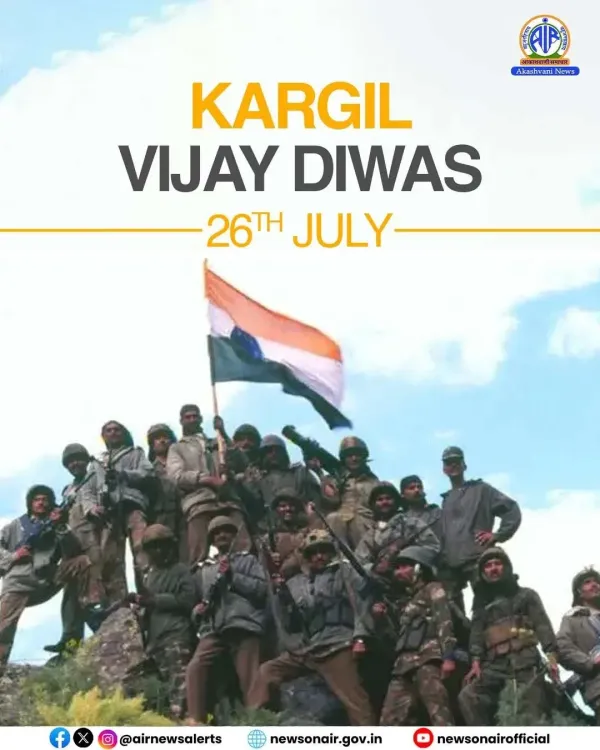
Union External Affairs Minister Dr. S. Jaishankar marked Kargil Vijay Diwas on 26 July 2026, saluting the courage and sacrifice of Indian soldiers who defended the nation during the 1999 Kargil War. The tribute underscores India's annual commitment to honouring its military heritage.
Key Takeaways
Jaishankar , Union External Affairs Minister, posted a tribute on 26 July 2026 for Kargil Vijay Diwas .
Kargil Vijay Diwas marks the conclusion of Operation Vijay on 26 July 1999 , when Indian forces evicted intruders from the Kargil heights in Ladakh .
The minister honoured the 'courage and valour' of soldiers and stated their 'service and sacrifices will always be remembered.' The Government of India has observed Kargil Vijay Diwas every year since 1999 as a national tribute to the armed forces.
The tribute connects India's military history to its broader neighbourhood security and strategic posture, a recurring theme for the Ministry of External Affairs .
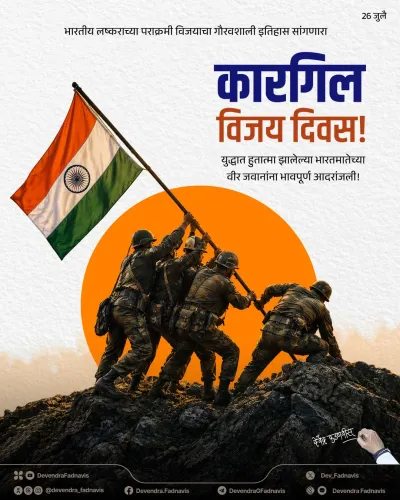
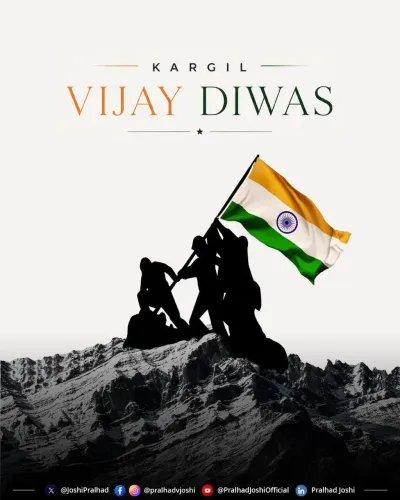
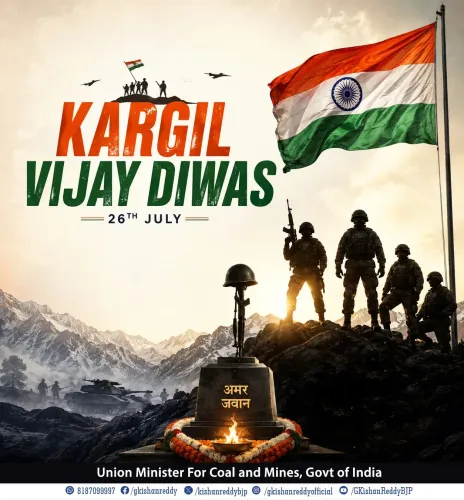
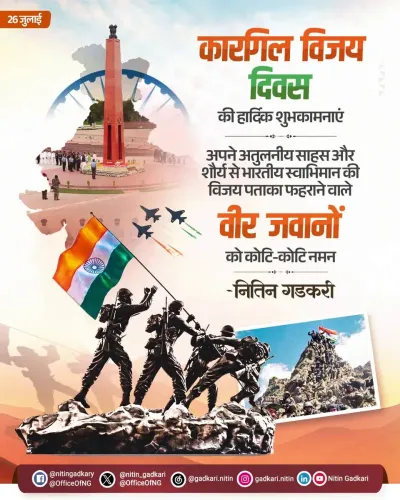
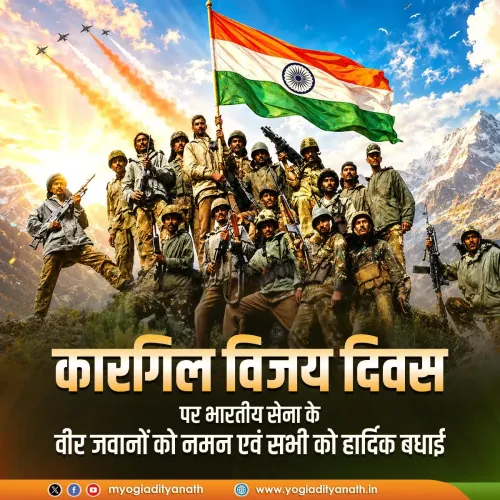
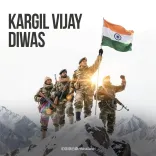
Union External Affairs Minister Dr. S. Jaishankar on Sunday, 26 July 2026 paid tribute to the soldiers of the Indian Armed Forces on Kargil Vijay Diwas, honouring their courage and sacrifice in defending the nation during the 1999 Kargil War.
Context
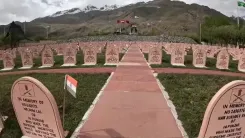
Kargil Vijay Diwas is observed every year on 26 July to mark the conclusion of Operation Vijay in 1999, when Indian forces successfully evicted Pakistani intruders from strategic heights in the Kargil sector of Ladakh. The day is a solemn national occasion, with tributes paid by leaders across the political spectrum and the armed forces. Dr. Jaishankar wrote: 'On Kargil Vijay Diwas, honour the courage and valour of our brave soldiers who defended the nation. Their service and sacrifices will always be remembered.'
The 1999 conflict, fought at extreme altitudes in the Kargil-Drass sector, resulted in significant casualties on the Indian side. The victory is widely regarded as a defining moment in post-independence military history and a testament to the resilience of the Indian soldier.
Policy Backdrop
Annual commemorations of Kargil Vijay Diwas have been held by the Government of India every year since 1999, institutionalising the tribute as a pillar of the country's defence culture. For the Ministry of External Affairs, such observances carry an added dimension — they situate India's military history within the broader narrative of neighbourhood security and strategic deterrence.
Dr. Jaishankar, as a former diplomat who has served as Indian Ambassador to the United States, China, and Singapore and as Foreign Secretary, brings a layered perspective to defence anniversaries. His message reinforces the government's consistent position that the sacrifices of the armed forces remain central to India's national identity and foreign-policy posture.
Stakeholders and Impact
War veterans, the families of soldiers killed in the Kargil conflict, and serving personnel of the Indian Army, Indian Air Force, and allied services are the primary stakeholders of this annual observance. Tributes from senior cabinet ministers, particularly those with diplomatic portfolios, signal that India's civilian leadership remains aligned with its military heritage.
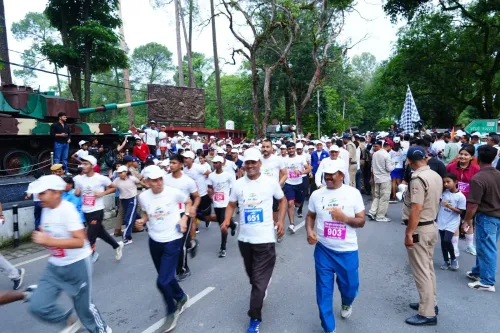
Commemorations also resonate with a broader public audience, reinforcing awareness of the Kargil War among younger generations who did not witness the conflict. Civil society events, wreath-laying ceremonies, and state-level functions typically accompany the national tribute on this day.
What's Next
Kargil Vijay Diwas observances are expected to continue as a fixture of India's national calendar, with central and state governments, defence establishments, and veterans' organisations marking the occasion each year. Ongoing investments in border infrastructure in Ladakh and broader military modernisation efforts lend the commemoration renewed strategic relevance. Parliamentary sessions following the anniversary have, in past years, seen references to defence preparedness and the welfare of war veterans — a pattern likely to continue.
Point of View
Reinforcing the civilian government's alignment with the military establishment on a high-profile national anniversary. For the External Affairs Ministry, such tributes serve a dual purpose: domestic solidarity and an implicit signal to India's neighbourhood about the country's resolve. The message fits a broader pattern in which India's diplomatic leadership consistently frames defence history as inseparable from foreign-policy identity. As border infrastructure in Ladakh expands and military modernisation accelerates, annual Kargil commemorations carry growing strategic weight beyond ceremonial observance.
NationPress
26 Jul 2026
Frequently Asked Questions
What is Kargil Vijay Diwas and why is it celebrated on 26 July?
Kargil Vijay Diwas is observed on 26 July every year to mark India's victory in the 1999 Kargil War . On this date in 1999 , Operation Vijay concluded with Indian forces successfully evicting Pakistani intruders from strategic heights in the Kargil sector of Ladakh .
What did Jaishankar say on Kargil Vijay Diwas 2026?
Dr. S. Jaishankar posted a tribute stating: 'On Kargil Vijay Diwas, honour the courage and valour of our brave soldiers who defended the nation. Their service and sacrifices will always be remembered.'
What was Operation Vijay in the Kargil War?
Operation Vijay was the Indian military operation launched in 1999 to recapture strategic peaks in the Kargil-Drass sector of Ladakh that had been occupied by intruders. It concluded successfully on 26 July 1999 , the date now commemorated as Kargil Vijay Diwas .
Who is Dr. S. Jaishankar?
Dr. S. Jaishankar is India's Union Minister of External Affairs . He is a former Foreign Secretary and has served as Indian Ambassador to the United States, China, and Singapore .
How does India commemorate Kargil Vijay Diwas each year?
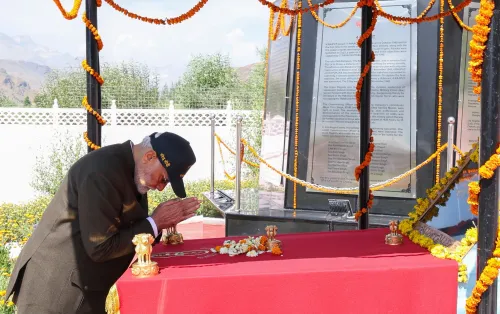
Every year on 26 July , the Government of India , defence establishments, state governments, and veterans' organisations hold wreath-laying ceremonies, tributes, and public events to honour soldiers who fought in the 1999 Kargil War . Senior leaders, including cabinet ministers, issue formal messages of tribute.