Jaishankar Speaks With Lavrov on Ukraine Conflict, Diplomacy
Synopsis
Union External Affairs Minister Dr. S. Jaishankar spoke with Russian FM Sergey Lavrov on Monday evening, focusing on the Ukraine conflict and ongoing diplomatic initiatives — reaffirming India's strategic autonomy and its role as a trusted interlocutor on all sides.
Key Takeaways
Jaishankar held a phone call with Russian FM Sergey Lavrov on the evening of Monday, 9 November 2026 .
The conversation centred on the Ukraine conflict and ongoing diplomatic initiatives , per Jaishankar's own post.
India has consistently abstained on UN resolutions condemning Russia since the conflict began in February 2022 .
Russia remains a key partner for India in defence procurement and energy supplies .
Regular high-level contact between New Delhi and Moscow on Ukraine is a deliberate feature of India's strategic autonomy policy.
The reference to 'ongoing diplomatic initiatives' signals India's active tracking of evolving peace-process tracks around the conflict.
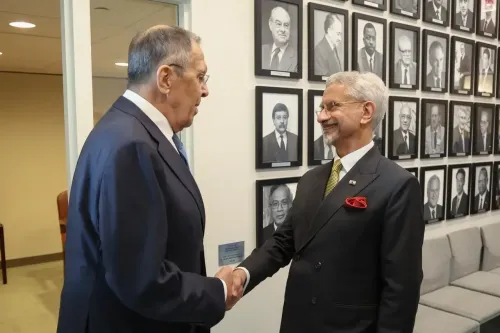
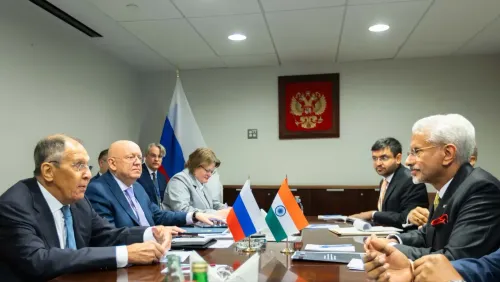
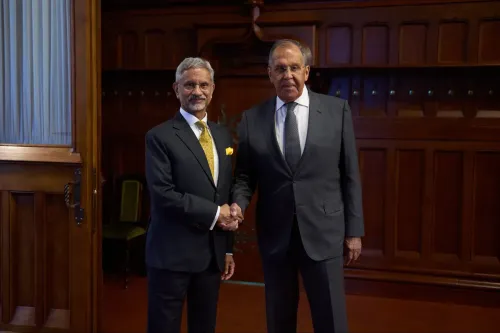
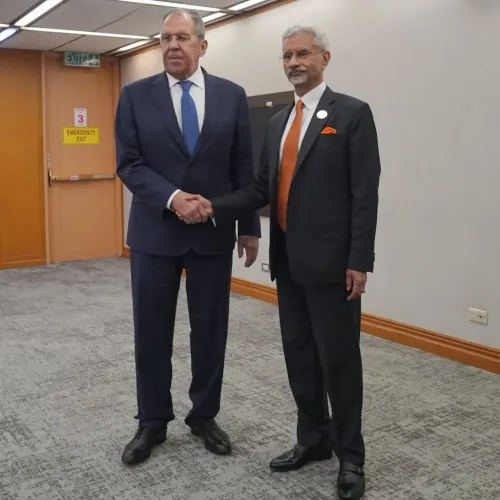
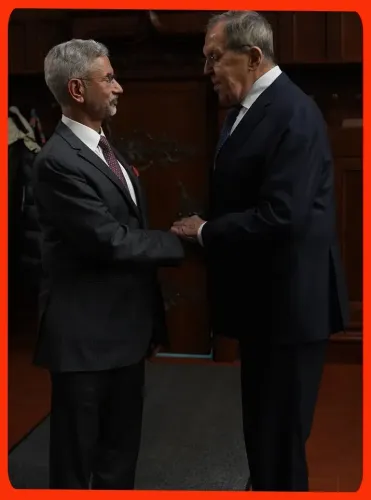
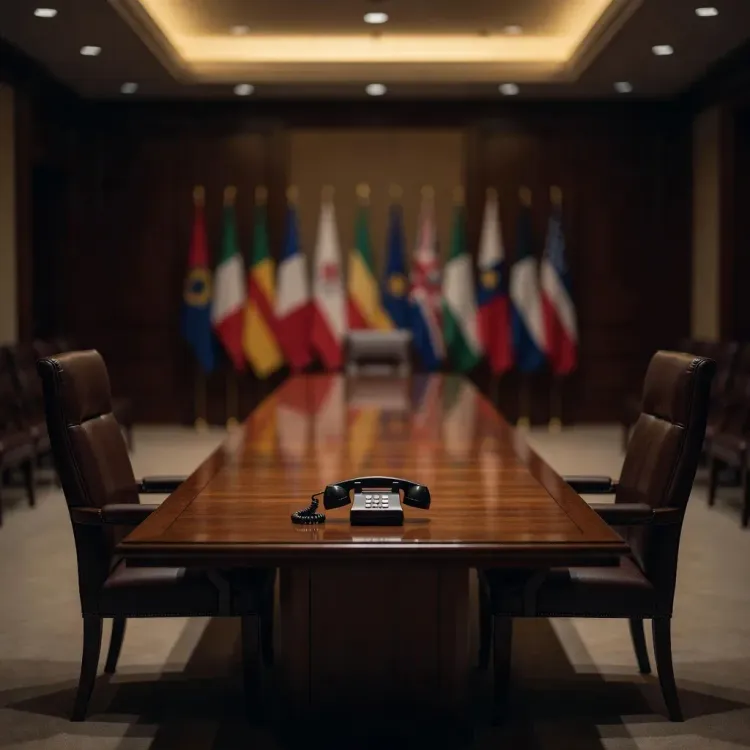
India's diplomatic engagement with Russia on the Ukraine crisis stayed live on Monday evening as Union External Affairs Minister Dr. S. Jaishankar held a phone conversation with Russian Foreign Minister Sergey Lavrov, with the Ukraine conflict and ongoing diplomatic initiatives at the centre of the exchange.
What the Call Signals for India's Ukraine Stance
In his post on X, Dr. Jaishankar stated: 'Our conversation focused on the Ukraine conflict and ongoing diplomatic initiatives.' The phrasing is deliberate and characteristic — New Delhi neither named a specific peace formula nor aligned itself with any party's position. That is precisely the point.
India has maintained a consistent posture since the conflict erupted in February 2022: call for dialogue, abstain on UN resolutions condemning Russia, and keep open lines of communication with Moscow. Regular high-level calls between Dr. Jaishankar and Lavrov are a structural feature of that posture, not an aberration.
Lavrov, India-Russia Ties, and the Autonomy Calculus
Sergey Lavrov, Russia's Foreign Minister since 2004, is Moscow's most durable diplomatic voice — and a counterpart New Delhi has found it strategically essential to keep engaged. India remains one of Russia's most consequential partners in defence procurement and energy supplies, ties that have deepened rather than frayed since the war began.
The balancing act is real. India has simultaneously expanded its strategic partnerships with Western nations — the Quad, deeper defence cooperation with the United States, and technology partnerships with Europe. A call with Lavrov on Ukraine is therefore not a tilt toward Moscow; it is evidence that New Delhi intends to remain a credible interlocutor on all sides of the conflict's diplomatic ecosystem.
India's Multipolar Bet on Ukraine Diplomacy
What gives India's voice weight in Ukraine discussions is precisely its refusal to take sides. Prime Minister Narendra Modi's visits to both Kyiv and Moscow in 2024 were the most visible expression of this dual-track engagement. The Ministry of External Affairs has since maintained that channel through continued high-level contact — of which Monday's call is the latest instance.
The reference to 'ongoing diplomatic initiatives' in Dr. Jaishankar's post is worth watching closely. It suggests New Delhi is tracking — and possibly contributing to — a diplomatic track around the conflict, even if the specifics remain undisclosed for now.
India does not need to mediate to matter. As long as it maintains trust on both sides, its value to any eventual peace process is structural.
Point of View
Not a liability. Dr. Jaishankar's public disclosure of the call — brief and factual — is itself a signal to both Western partners and Russia that New Delhi is not hiding its dual engagement. The phrase 'ongoing diplomatic initiatives' is deliberate ambiguity: it keeps India positioned as a potential facilitator without over-committing to a mediation role that could expose it to failure. As the Ukraine conflict enters what many analysts see as a critical diplomatic phase, India's refusal to pick a side may prove to be its most consequential strategic choice.
NationPress
9 Nov 2026
Frequently Asked Questions
Why did Jaishankar call Lavrov about Ukraine?
India maintains regular high-level contact with Russia on the Ukraine conflict as part of its strategic autonomy policy. The call focused on the Ukraine conflict and ongoing diplomatic initiatives, keeping New Delhi engaged as a credible interlocutor without endorsing either party's position.
What is India's official position on the Ukraine conflict?
India has consistently called for dialogue and a peaceful resolution, while abstaining on UN resolutions related to the conflict since February 2022. New Delhi has sought to maintain relationships with both Russia and Western nations simultaneously.
Who is Sergey Lavrov?
Sergey Lavrov is Russia's Foreign Minister, a position he has held since 2004, making him one of the world's longest-serving top diplomats. He oversees Moscow's diplomatic engagements globally, including its long-standing strategic partnership with India.
Has India tried to mediate in the Russia-Ukraine war?
India has not formally offered itself as a mediator, but Prime Minister Modi visited both Kyiv and Moscow in 2024, signalling India's unique access to both sides. New Delhi describes its role as supporting dialogue rather than formal mediation.
How does India balance its ties with Russia and the West over Ukraine?
India relies on Russia for defence equipment and energy imports, while simultaneously deepening strategic ties with the United States, Europe, and partners in the Quad. By abstaining on UN resolutions and maintaining contact with Moscow, New Delhi preserves its strategic autonomy without severing Western partnerships.