What Progress Has Been Made Under the Jal Shakti Abhiyan?
Click to start listening
Synopsis
As of December 9, the Jal Shakti Abhiyan has seen the initiation of more than 1.97 crore water-related projects and the establishment of 712 Jal Shakti Kendras nationwide. Discover the innovative technologies and community efforts propelling this vital initiative forward!
Key Takeaways
- 1.97 crore water-related projects initiated.
- 712 Jal Shakti Kendras established across India.
- Utilization of advanced technology for effective restoration.
- Community engagement is vital for sustainability.
- Funding of Rs 545.35 crore allocated for water body restoration.
New Delhi, Dec 11 (NationPress) Under the Jal Shakti Abhiyan: Catch The Rain (JSA: CTR) initiative, over 1.97 crore water-related projects have been initiated, with 712 Jal Shakti Kendras (JSKs) established nationwide as of December 9, as reported to Parliament on Thursday.
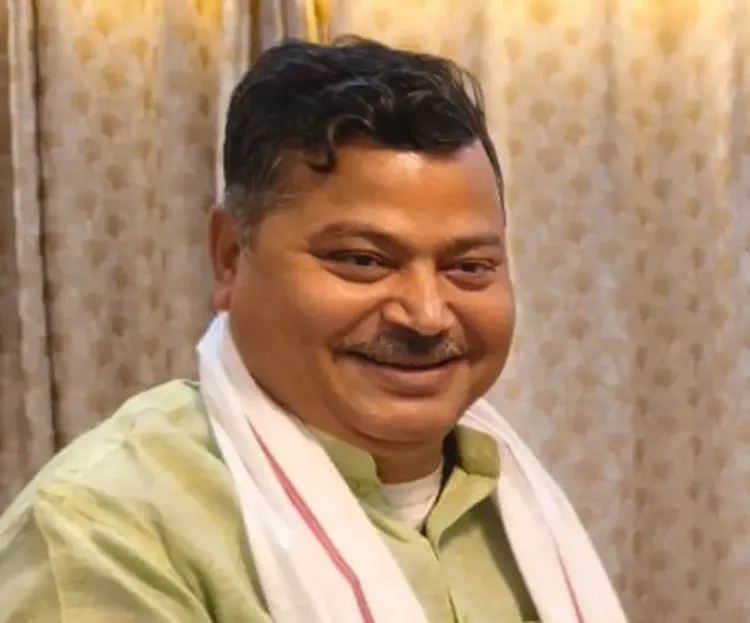
In response to a question in Lok Sabha, Raj Bhushan Choudhary, the Minister of State (MoS) for Jal Shakti, stated that the government is extensively employing technology to boost the effectiveness, transparency, and sustainability of water body renovation efforts.
Modern methodologies such as geo-tagging, GIS mapping, unique water body coding, comprehensive inventories of water bodies, and the development of scientific conservation plans are being implemented to guarantee sustainable restoration outcomes.
Choudhary further elaborated that the JSA: CTR 2025 program was introduced under the theme ‘Jal Sanchay Jan Bhagidari: Jan Jagrukta ki Or’, which focuses on grassroots participation, collaboration across sectors, and innovative financing, particularly targeting 148 districts identified by the Central Ground Water Board (CGWB).
The central government is adopting numerous national and international best practices to enhance the restoration of water bodies effectively over the long term.
“Restoration processes adhere to scientifically validated standards, which include hydrological and structural assessments, sediment studies for de-siltation, catchment area management, bund and sluice reinforcement, and the integration of modern technologies like geo-tagging and GIS mapping,” he stated.
Furthermore, the government is promoting Public-Private Partnership (PPP) initiatives and community engagement programs for the restoration of water bodies.
“Community involvement is a crucial aspect of all restoration initiatives supported at the national level under the Pradhan Mantri Krishi Sinchayee Yojana – Har Khet Ko Pani (PMKSY-HKKP),” noted the MoS.
He mentioned that Water User Associations (WUAs), Panchayati Raj Institutions, and local community organizations are actively engaged in the planning, execution, and post-restoration management of these water bodies.
“There is also a provision for the inclusion of Non-Governmental Organisations (NGOs) in the planning and execution of projects, contingent upon state government approval,” he added.
Providing insights into government funding for the revitalization of traditional water bodies, the MoS stated, “By March 31, 2025, central assistance of Rs 545.35 crore has been allocated to state governments under the Repair, Renovation and Restoration of Water Bodies (RRR of WBs) component of Pradhan Mantri Krishi Sinchayee Yojana (PMKSY)-Har Khet Ko Pani (HKKP).
He also highlighted that the Ministry of Housing and Urban Affairs is implementing the Atal Mission for Rejuvenation and Urban Transformation 2.0 (AMRUT 2.0), where the rejuvenation of water bodies and wells represents a key component. To date, 3031 water body rejuvenation projects worth Rs 6,270.51 crore have received approval.
Point of View
It is crucial to recognize the nation’s commitment to water conservation through the Jal Shakti Abhiyan. This initiative not only emphasizes technological innovation but also fosters community involvement, ensuring sustainable management of vital water resources. Such efforts are essential for India's future, aligning with national priorities in addressing water scarcity.
NationPress
11/12/2025
Frequently Asked Questions
What is the Jal Shakti Abhiyan?
The Jal Shakti Abhiyan is a government initiative aimed at promoting water conservation and management across India through various projects and community participation.
How many water-related works have been initiated?
Over 1.97 crore water-related works have been initiated under the Jal Shakti Abhiyan up to December 9.
What role do communities play in this initiative?
Communities are actively involved in the planning and execution of water body restoration projects, ensuring local engagement and sustainability.
What technologies are being used in the Jal Shakti Abhiyan?
Technologies such as geo-tagging, GIS mapping, and modern assessment methods are used to enhance the effectiveness of water body restoration.
What financial support is provided for water body restoration?
Central assistance amounting to Rs 545.35 crore has been allocated to states under the Repair, Renovation and Restoration of Water Bodies component of PMKSY.