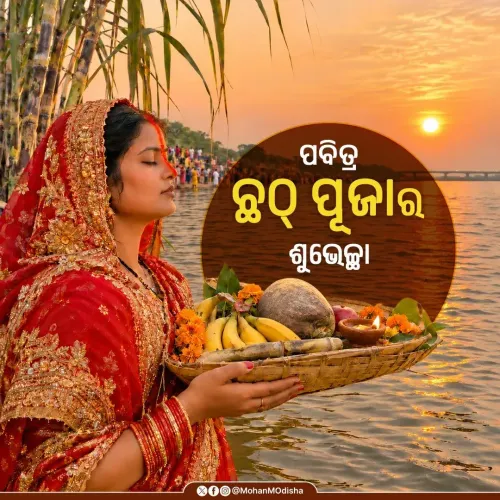
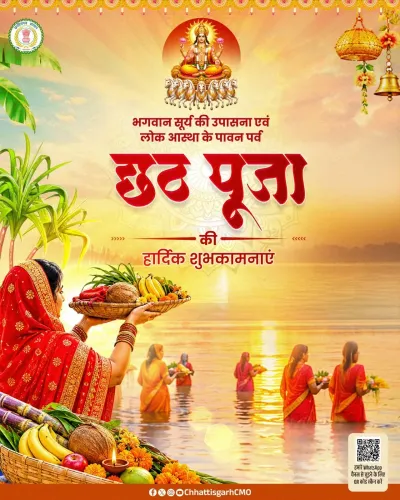
Jal Shakti Minister C. R. Paatil extends Chhath Puja greetings
Synopsis
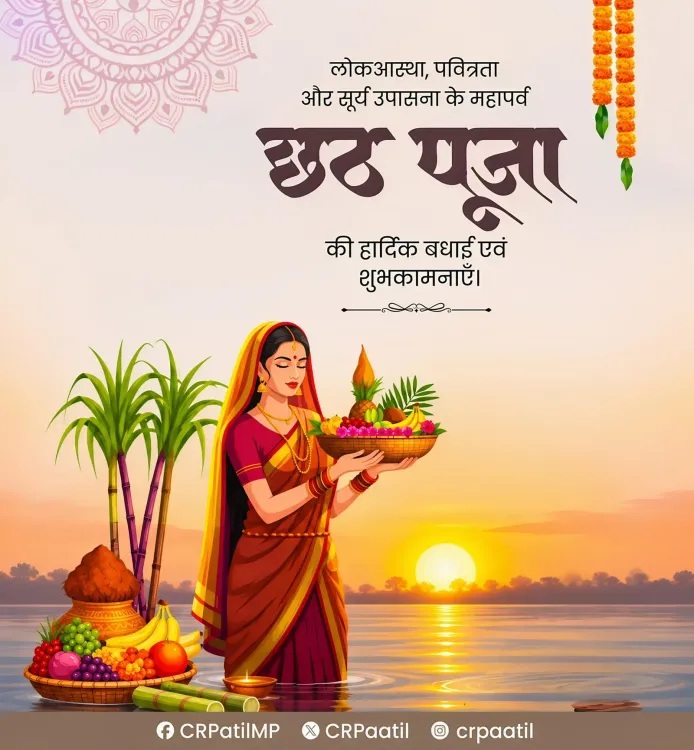
Union Jal Shakti Minister C. R. Paatil extended Chhath Puja greetings on 15 November 2026, describing the festival as a symbol of India's cultural heritage and praying that Chhathi Maiya bless every family with happiness and new energy.
Key Takeaways
Union Jal Shakti Minister C.
Paatil posted Chhath Puja greetings on 15 November 2026 .
He described Chhath as a festival of love for nature, cleanliness, and unwavering faith.
The minister highlighted offering 'arghya' to the rising and setting Sun as a message of balance and gratitude.
He prayed to Chhathi Maiya for happiness, progress, and new energy for every family.
Chhath Puja holds special significance in Bihar , eastern Uttar Pradesh , and among migrant communities across India.
Chhath Puja — the festival that turns river banks into luminous, pre-dawn altars of gratitude — drew warm wishes on Sunday, 15 November 2026 from Union Jal Shakti Minister C. R. Paatil, who called the occasion a remarkable symbol of India's rich cultural heritage.
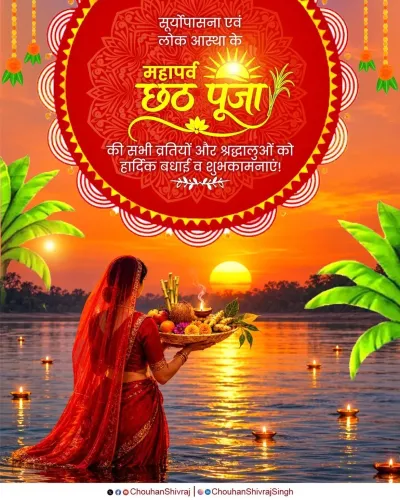
Posting in Hindi on X, the minister wrote: 'प्रकृति प्रेम, स्वच्छता और अटूट आस्था के पावन महापर्व छठ पूजा की आप सभी को हार्दिक शुभकामनाएं!' — 'Heartfelt greetings to everyone on the auspicious festival of Chhath Puja, the sacred celebration of love for nature, cleanliness, and unwavering faith!' He added that the act of offering 'arghya' — ritual water offerings — to both the rising and the setting Sun carries a timeless message of balance and gratitude in life.
Chhathi Maiya, the folk deity at the heart of the festival, was invoked by Paatil with a prayer that she bless every family with happiness, progress, and new energy.
Why Chhath stands apart among India's festivals
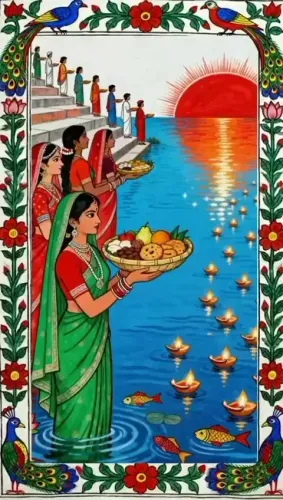
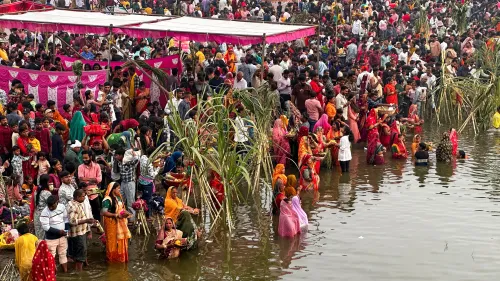
Chhath Puja is unique in the Hindu calendar: it honours the Sun God and Chhathi Maiya across four continuous days of rigorous austerity, culminating in devotees standing waist-deep in rivers to offer prayers at both sunset and sunrise. The festival carries particular weight in Bihar, eastern Uttar Pradesh, and among the vast diaspora of migrant communities from those regions settled across Indian cities — from Mumbai to Delhi — who recreate river-bank ghats wherever they gather. Its emphasis on nature, water bodies, and cleanliness gives the festival a resonance that stretches well beyond ritual. Senior BJP leaders routinely extend Chhath greetings as part of broad public outreach, and Paatil — a former Gujarat BJP state president and one of the party's most prominent organisational figures — is no exception. His post underlines the festival's growing pan-Indian identity, far beyond its eastern-India origins.Point of View
And senior BJP leaders' greetings on the occasion reflect the party's sustained outreach to communities from Bihar and eastern Uttar Pradesh — electorally significant constituencies. For a minister like Paatil, rooted in Gujarat's organisational politics, the gesture underscores the BJP's effort to project a unified national cultural identity. The festival's inherent themes of nature-reverence and water cleanliness also align symbolically with the Jal Shakti ministry's mandate, though Paatil made no explicit policy connection in this post.
NationPress
15 Nov 2026
Frequently Asked Questions
What is Chhath Puja and why is it celebrated?
Chhath Puja is a Hindu festival dedicated to the Sun God and the folk deity Chhathi Maiya, celebrated over four days with fasting, riverbank rituals, and offerings of arghya — water — to the setting and rising Sun as an expression of gratitude and austerity.
Who is C. R. Paatil?
C. R. Paatil is a senior BJP leader who serves as India's Union Minister of Jal Shakti. He is a former BJP Gujarat state president and one of the party's key organisational figures.
When is Chhath Puja celebrated?
Chhath Puja is typically observed in the Hindu month of Kartik, falling in October or November each year, with the main rituals spanning four consecutive days.
Why is Chhath Puja important for Bihar and UP?
Chhath Puja originated in the Gangetic plains of Bihar and eastern Uttar Pradesh and is the region's most culturally significant festival, also celebrated widely by migrant communities from those states living in cities across India.
What does 'arghya' mean in Chhath Puja?
'Arghya' refers to the ritual offering of water — sometimes mixed with milk, flowers, or fruit — made by devotees standing in rivers or water bodies at both sunset and sunrise during Chhath Puja as a mark of reverence to the Sun God.