Jauhar University demolition order stayed by UP Divisional Commissioner
Synopsis
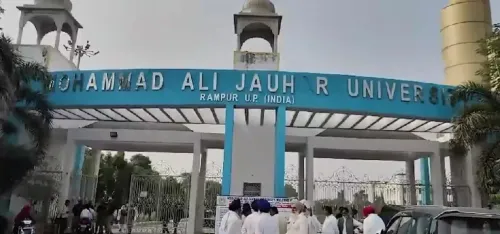
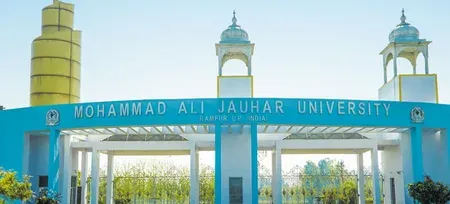
A demolition order targeting 38 of 40 buildings at Azam Khan's Jauhar University in Rampur has been stayed by UP's Divisional Commissioner, halting bulldozers at the gate. The RDA flagged construction without approvals; the SP has cried political vendetta. The next hearing will decide whether the stay holds — and with it, the fate of one of UP's most politically charged educational institutions.
Key Takeaways
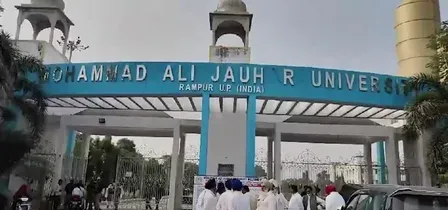
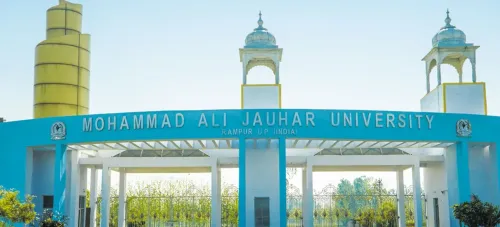
The UP Divisional Commissioner stayed the demolition order against 38 buildings at Mohammad Ali Jauhar University , Rampur, on 27 July .
The Rampur Development Authority (RDA) had flagged that 38 out of 40 campus buildings were allegedly constructed without approved plans.
The Divisional Commissioner directed the district administration to maintain status quo until the next hearing.
SP workers protested in Ayodhya , submitting a memorandum to the President of India via the local District Magistrate.
Former minister Tej Narayan Pandey led the protest, alleging political vendetta and calling for due process before any demolition.
The Uttar Pradesh government's Divisional Commissioner has stayed the demolition order issued against 38 buildings on the campus of Mohammad Ali Jauhar University in Rampur, providing temporary relief to the institution founded by Samajwadi Party (SP) leader and former Member of Parliament Azam Khan. The stay was confirmed by an official on Monday, 27 July, and directs the Rampur district administration to maintain status quo until the next hearing.
Background: What Triggered the Demolition Order
The controversy originated after the Rampur Development Authority (RDA) flagged multiple construction violations within the university premises, alleging that 38 out of 40 campus buildings were erected without the requisite regulatory approvals. The RDA had initially issued a notice asking the university to self-demolish the structures within a stipulated timeframe, warning that the district administration would intervene if the deadline was not met. The District Magistrate of Rampur subsequently issued a formal demolition order, prompting the university to seek relief from higher authorities.
Divisional Commissioner Puts Brakes on Bulldozers
The Divisional Commissioner's intervention effectively halts any immediate demolition action, with the status quo direction ensuring that no physical action can be taken against the campus buildings until the matter is heard again. The order comes at a critical juncture, as demolition machinery was reportedly being readied to move towards the campus. The next hearing is expected to determine whether the stay will be extended or the original order reinstated.
SP Protests and Political Allegations
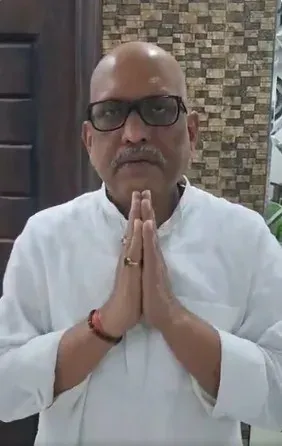
Earlier last week, a group of SP leaders and workers took to the streets in Ayodhya to protest the RDA's demolition notice. The demonstration was led by former minister and former MLA Tej Narayan Pandey, with scores of party workers raising slogans in support of the university and accusing the state government of acting out of political vendetta.
The protesters submitted a memorandum addressed to the President of India to the Ayodhya District Magistrate, demanding a halt to the proposed demolition and urging that all parties be given an opportunity to present their case through due legal process.
What the Opposition Said
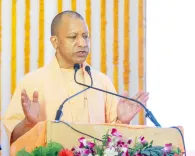
Tej Narayan Pandey argued that the administration should allow the university to rectify any technical or documentary deficiencies rather than razing the entire institution. 'The country cannot be strengthened by running bulldozers over temples of learning. If there are shortcomings regarding the university's building, blueprints, or other documents, an opportunity should be given to address them in accordance with the rules,' he said. He also alleged that the government's actions were aimed at shutting down educational institutions rather than supporting them.
What Happens Next
The case will return before the Divisional Commissioner at the next scheduled hearing, where the university, the RDA, and the district administration are all expected to present their positions. Critics argue that the episode reflects a broader pattern of regulatory action against institutions linked to political opponents, though the state government has maintained that the demolition notice was strictly a matter of building-law compliance. The outcome of the next hearing will be closely watched by legal observers and opposition parties alike.
Point of View
Not a verdict — and that distinction matters. The RDA's claim that 38 of 40 buildings lack approved plans is either a sweeping indictment of institutional governance or a legally questionable overreach; neither possibility has been tested in a proper hearing yet. What is clear is that the bulldozer has become a politically loaded instrument in Uttar Pradesh, and actions against institutions linked to opposition figures invite scrutiny that purely technical enforcement would not. Whether the demolition order ultimately stands or falls, the damage to perceptions of regulatory neutrality is already done.
NationPress
26 Oct 2026
Frequently Asked Questions
Why was a demolition order issued against Jauhar University?
The Rampur Development Authority (RDA) alleged that 38 out of 40 buildings on the Jauhar University campus were constructed without the necessary regulatory approvals. The RDA first asked the university to self-demolish the structures, and the Rampur District Magistrate subsequently issued a formal demolition order.
Who stayed the demolition order and what does it mean?
The UP Divisional Commissioner stayed the demolition order on 27 July, directing the Rampur district administration to maintain status quo until the next hearing. This effectively prevents any physical demolition action against the campus buildings in the interim.
What is Mohammad Ali Jauhar University and who founded it?
Mohammad Ali Jauhar University is a private university located in Rampur, Uttar Pradesh, founded by Samajwadi Party leader and former MP Azam Khan. It is named after the prominent Muslim nationalist leader Mohammad Ali Jauhar.
How has the Samajwadi Party responded to the demolition notice?
SP leaders and workers protested in Ayodhya, submitting a memorandum addressed to the President of India to the local District Magistrate. The protest was led by former minister Tej Narayan Pandey, who alleged political vendetta and demanded that the university be given an opportunity to address any documentation deficiencies before any demolition proceeds.
What happens next in the Jauhar University demolition case?
The matter will come up for the next hearing before the Divisional Commissioner, where the university, the RDA, and the district administration are expected to present their respective positions. The outcome will determine whether the stay is extended or the original demolition order is reinstated.