Jharkhand CMO Invites All to Adivasi Mahotsav Celebrations
Synopsis
The Chief Minister's Office of Jharkhand on 9 August 2026 — International Day of the World's Indigenous Peoples — invited citizens to the Adivasi Mahotsav, a state-backed festival spotlighting tribal traditions, folk dances, art and the nature-linked life philosophy of communities including the Santhal, Munda and Oraon.
Key Takeaways
The Chief Minister's Office of Jharkhand posted an open invitation to the Adivasi Mahotsav on 9 August 2026 .
The post was timed to coincide with the UN International Day of the World's Indigenous Peoples , observed annually on 9 August.
The festival celebrates tribal traditions, folk dances, art and the nature-rooted philosophy of Jharkhand's indigenous communities.
Jharkhand has a Scheduled Tribe population exceeding 26 percent , including the Santhal , Munda and Oraon peoples.
The Jharkhand Se Johar campaign is a recurring state government initiative using cultural events to promote tribal heritage and boost tourism.
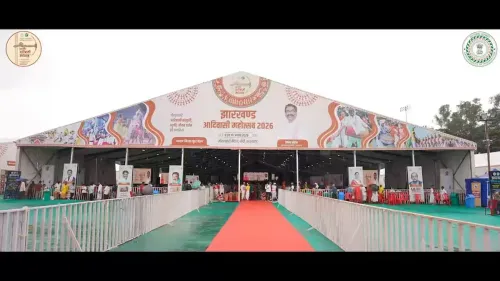
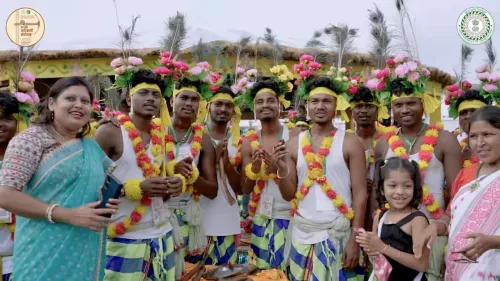
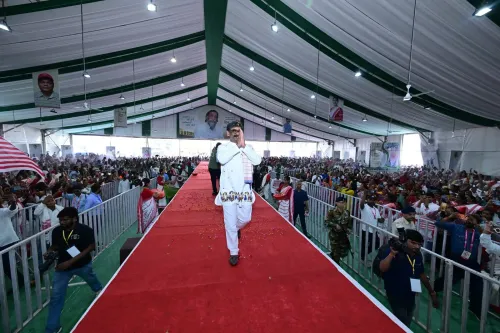
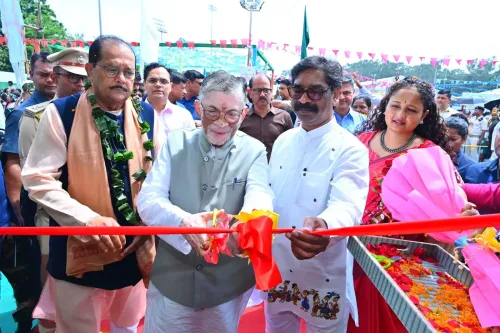
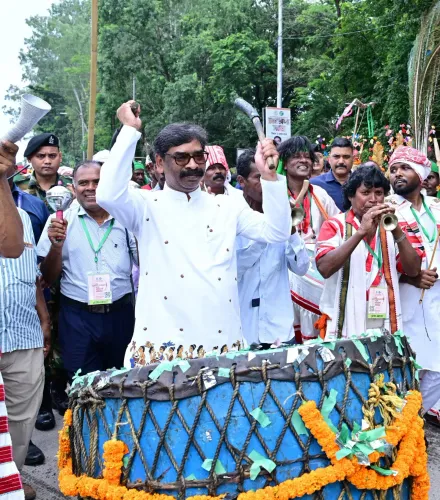
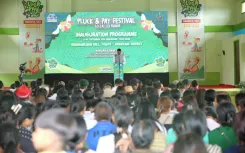
Jharkhand's tribal heartland is calling — and the state's Chief Minister's Office wants every Indian to answer. On Sunday, 9 August 2026, the Chief Minister's Office of Jharkhand posted an open invitation to the Adivasi Mahotsav, a state-supported festival celebrating the living traditions, folk dances, art forms and nature-rooted philosophy of the state's indigenous communities.
Posting under the hashtags #JharkhandSeJohar and #AdivasiMahotsav, the CMO called the event 'a celebration of glorious Adivasi culture, nature and life philosophy,' urging citizens to 'be part of this grand festival of rich traditions, art and folk dance.'
A State Shaped by Its Tribal Identity
Jharkhand is one of India's most significant tribal homelands. More than 26 percent of its population belongs to Scheduled Tribe communities — among them the Santhal, Munda and Oraon peoples — whose customs, languages and ecological knowledge have shaped the region's character for centuries. Since the state's formation in 2000, successive governments have used public festivals to bring that heritage into the mainstream, blending cultural preservation with an eye on domestic tourism. The Adivasi Mahotsav sits squarely in that tradition. Folk dance performances, indigenous art displays and demonstrations of the community's intimate relationship with nature typically anchor such events, drawing tribal artists from across the state's districts and giving wider audiences a window into a living, evolving culture that rarely receives prime-time attention.Johar: More Than a Greeting
Johar — the traditional Adivasi salutation meaning welcome and respect — doubles as the name of the state government's recurring cultural promotion campaign, Jharkhand Se Johar. The phrase carries real weight: it signals not just a festival invite but a deliberate assertion of tribal identity as the defining pride of the state, not a footnote to it. The timing of the post — 9 August, observed globally as the International Day of the World's Indigenous Peoples — adds a layer of significance. The date, marked by the United Nations since 1994, was chosen to honour the first meeting of the UN Working Group on Indigenous Populations in 1982. Jharkhand's CMO aligning the Adivasi Mahotsav call-out with that calendar moment places the state's celebration within a much larger global conversation about indigenous rights, visibility and survival. For Jharkhand's folk artists and tribal communities, the Mahotsav is more than a tourism event — it is a stage that the state is, at least symbolically, building for them.Point of View
Timed to International Indigenous Peoples Day, reflects a pattern of state governments using cultural festivals as soft-power tools to consolidate tribal identity politics while simultaneously packaging heritage for the tourism economy. For a state where tribal voters are a decisive electoral bloc, such visibility moves carry both cultural and political weight. The 'Jharkhand Se Johar' branding, now a recurring campaign, signals an institutionalisation of that strategy — turning a greeting into a governance narrative. Whether the festival translates into sustained policy support for tribal artists and communities remains the harder question.
NationPress
24 Sept 2026
Frequently Asked Questions
What is Adivasi Mahotsav in Jharkhand?
Adivasi Mahotsav is a state-supported cultural festival in Jharkhand that showcases the traditions, folk dances, art and nature-linked life philosophy of the state's indigenous tribal communities, including the Santhal, Munda and Oraon peoples.
What does 'Johar' mean in Jharkhand Se Johar?
'Johar' is a traditional Adivasi salutation meaning welcome and respect. The Jharkhand government uses it as the name of its cultural promotion campaign, 'Jharkhand Se Johar,' to highlight the state's tribal heritage.
Why is 9 August significant for tribal communities?
9 August is observed globally as the International Day of the World's Indigenous Peoples , a UN-designated date since 1994 marking the first meeting of the UN Working Group on Indigenous Populations in 1982.
What percentage of Jharkhand's population is tribal?
More than 26 percent of Jharkhand's population belongs to Scheduled Tribe communities, making it one of India's most significant tribal homelands.
When was Jharkhand formed as a state?
Jharkhand was formed as a separate state in 2000 , carved out to give the region's large tribal population a distinct political and administrative identity.