Jharkhand CMO Hails Adivasi Legacy at Mahotsav

Synopsis
The Chief Minister's Office of Jharkhand marked the Adivasi Mahotsav on 8 August 2026 with a vernacular verse honouring Sidhu-Kanhu, Phulo-Jhano and Birsa Munda — invoking the state's founding tribal resistance narrative through the traditional salutation 'Johar'.
Key Takeaways
The Jharkhand CMO posted a cultural tribute on 8 August 2026 for the Jharkhand Adivasi Mahotsav .
The post honours Sidhu and Kanhu Murmu , leaders of the 1855 Santhal Hul rebellion against British land policies.
Phulo and Jhano are cited as symbols of Adivasi women's resistance from the same uprising.
Birsa Munda , revered as Bhagwan , led the late-19th-century Ulgulan movement for tribal land rights.
The word 'Johar' — the traditional Adivasi greeting — is used four times, signalling the CMO's deliberate use of tribal cultural idiom.
Jharkhand was created in November 2000 from Bihar, with Adivasi identity and resource rights at the heart of the statehood demand.
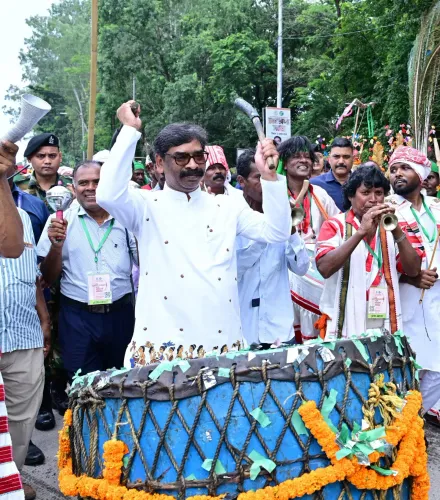
The soil of Jharkhand holds the memory of its rebels — and on Saturday, 8 August 2026, the Chief Minister's Office of Jharkhand invoked that memory with a stirring cultural salute, marking the Jharkhand Adivasi Mahotsav with a verse that names the martyrs and the land in the same breath.
Posted in the regional Santali-inflected vernacular, the CMO's message opens with a tribute to four towering figures: 'Sido-Kanhu, Phulo-Jhano, Birsa Bhagwan' — the freedom fighters and rebels who gave their lives for Jharkhand's soil. It closes with a repeated 'Johar' — the traditional Adivasi greeting of respect — offered to the state and its people. The English rendering: 'Sido-Kanhu, Phulo-Jhano, Birsa Bhagwan gave their sacrifice in the soil of Jharkhand / Our culture has its own distinct identity / Our beloved Jharkhand holds its pride… Johar, salutations to our Jharkhand, Johar, salutations to our beautiful state.'
The Four Names the Post Refuses to Let History Forget
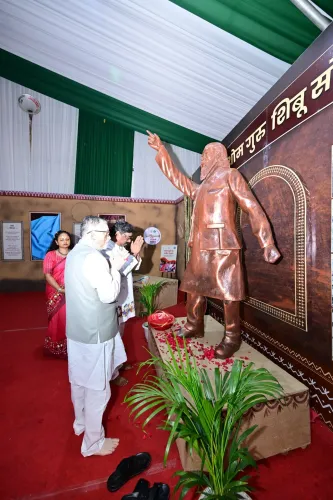
Sidhu and Kanhu Murmu were the brothers who lit the fire of the 1855 Santhal Hul — a rebellion against British colonial land policies and the predatory moneylender system that had dispossessed Santhal peasants across what is now Jharkhand and parts of Bengal. Phulo and Jhano were women fighters from the same uprising, whose names have been reclaimed in recent decades as symbols of Adivasi women's resistance. Birsa Munda, the most iconic of the four, led the Ulgulan ('great tumult') in the closing years of the 19th century, demanding the return of tribal land and an end to British and missionary interference in Munda life. He is addressed as Bhagwan — a deity — across Jharkhand.Jharkhand Adivasi Mahotsav and the Politics of Cultural Memory
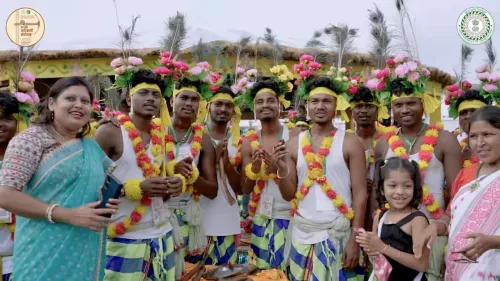
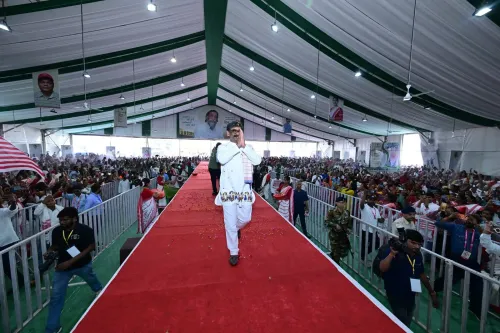
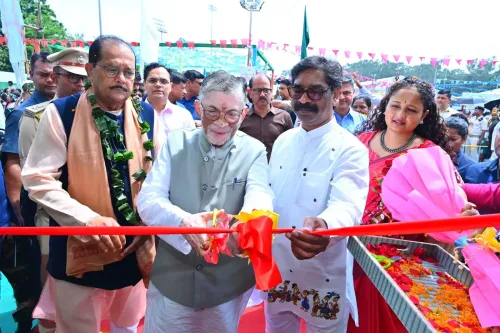
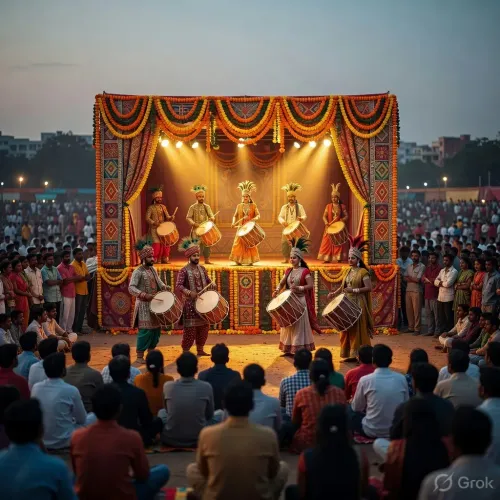
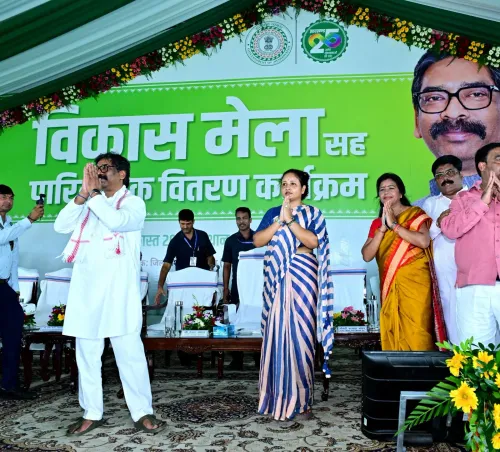
The Jharkhand Adivasi Mahotsav is a state-supported festival that brings together Adivasi dance, music, art and oral traditions from the state's diverse tribal communities. Chief Minister Hemant Soren of the Jharkhand Mukti Morcha, tagged in the post, has made tribal cultural assertion a visible pillar of his government's identity since returning to power. The festival sits within a longer pattern: since Jharkhand was carved from Bihar in November 2000 — itself the culmination of decades of demand rooted in Adivasi identity and resource rights — successive state governments have used public commemoration of 19th-century tribal rebellions to anchor contemporary governance in historical resistance. The word 'Johar', repeated four times in the closing lines, is not decorative. It is the formal Adivasi salutation — a marker of dignity and kinship — and its use by the official CMO account signals a deliberate choice to speak in the cultural idiom of the communities the state was created to serve. The Mahotsav is a reminder that Jharkhand's founding story is inseparable from its tribal identity — and that the state's loudest political voice is still being spoken in the language of its oldest struggles.Point of View
Not English — and to open with the names of 19th-century rebels rather than a scheme or a statistic is a calculated act of cultural politics. For Chief Minister Hemant Soren and the Jharkhand Mukti Morcha, the Adivasi Mahotsav is not merely a tourism event; it is an annual reassertion that the state's legitimacy flows from its tribal founding narrative. The repeated use of 'Johar' by an official government account places Adivasi cultural practice at the centre of state identity — a posture that has electoral as well as symbolic weight in a state where Scheduled Tribe communities make up roughly a quarter of the population. Whether the Mahotsav translates into sustained policy delivery for those communities remains the harder, less poetic question.
NationPress
23 Sept 2026
Frequently Asked Questions
What is the Jharkhand Adivasi Mahotsav?
The Jharkhand Adivasi Mahotsav is a state-supported cultural festival that showcases Adivasi dance, music, art and oral traditions from Jharkhand's diverse tribal communities, promoted by the state's tourism and culture departments.
Who were Sidhu and Kanhu Murmu?
Sidhu and Kanhu Murmu were brothers who led the 1855 Santhal Hul, a major rebellion against British colonial land policies and moneylenders in the region that is now Jharkhand and parts of Bengal.
Why is Birsa Munda called 'Bhagwan'?
Birsa Munda is revered as Bhagwan — a deity — across Jharkhand because of his leadership of the Ulgulan rebellion in the late 19th century, which sought to reclaim tribal land and resist British and missionary interference in Munda life.
What does 'Johar' mean in Jharkhand?
'Johar' is the traditional Adivasi greeting of respect and kinship used widely across Jharkhand's tribal communities; its use by the official CMO account signals the government's embrace of Adivasi cultural identity.
When was Jharkhand formed and why?
Jharkhand was carved out of Bihar in November 2000 following decades of demand rooted in Adivasi identity, cultural distinctiveness and the rights of tribal communities over their land and resources.