Dr. Jitendra Singh links yoga to Vision 2047 at Jammu event

Synopsis
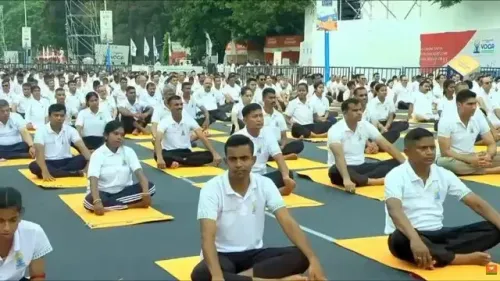
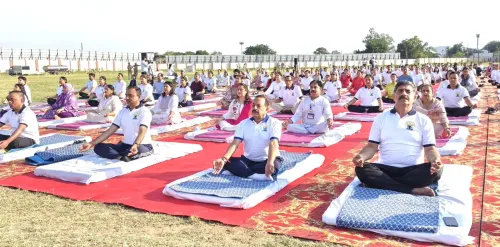
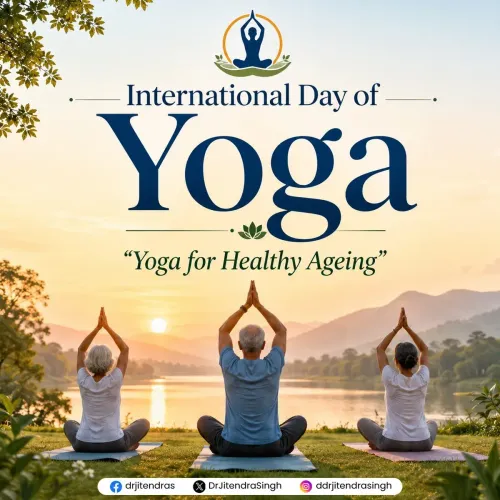
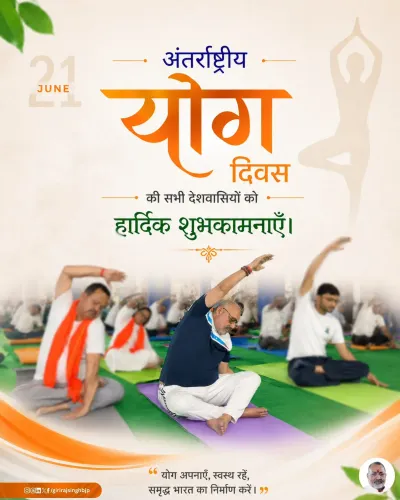
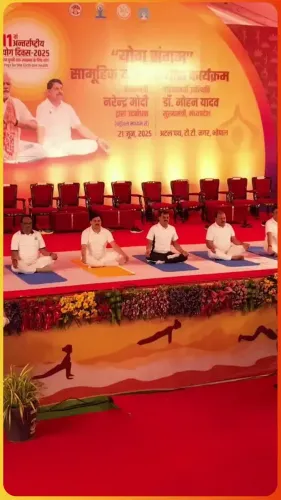
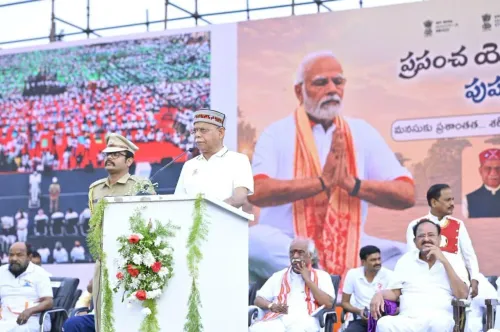
Union Minister Dr. Jitendra Singh marked International Yoga Day in Jammu on 21 June 2026, drawing a direct policy link between yoga as a tool for healthy ageing and India's Vision 2047 roadmap for developed-nation status by the centenary of independence.
Key Takeaways
Jitendra Singh participated in International Yoga Day observances in Jammu on 21 June 2026 .
The minister linked yoga practice to healthy ageing and India's Vision 2047 developmental roadmap.
International Yoga Day was proposed by PM Modi at the UN in 2014 and has been observed globally since 2015 .
The Ministry of AYUSH , established in November 2014 , coordinates national yoga day events and wellness programmes.
Vision 2047 working documents incorporated 'healthy ageing' targets as part of India's centenary independence goals.
Jammu's role as a venue reflects enhanced central ministerial engagement with the region since its 2019 reorganisation as a Union Territory.
Union Science and Technology Minister Dr. Jitendra Singh marked International Yoga Day in Jammu on 21 June 2026, connecting the practice of yoga to healthy ageing and India's developmental roadmap under Vision 2047.
Context
International Yoga Day, observed annually on 21 June, was proposed by Prime Minister Narendra Modi at the United Nations General Assembly in 2014 and adopted through UNGA Resolution 69/131. Since its inaugural edition in 2015, the day has been marked by mass participation events coordinated across India by central and state governments, with the Ministry of AYUSH serving as the nodal body. Jammu, the winter capital of the Jammu and Kashmir Union Territory, has been a consistent venue for ministerially-led observances.
Policy Backdrop
Vision 2047 is India's stated roadmap to attain developed-nation status by the centenary of independence, encompassing targets across health, economy, and governance. Working documents referencing 'healthy ageing' were incorporated into NITI Aayog's Vision 2047 framework in 2021-22, acknowledging the demographic challenge posed by a growing elderly population. By framing yoga as a tool for healthy ageing, Dr. Jitendra Singh aligned a traditional wellness practice with a long-term national policy objective, extending the government's established pattern of positioning yoga within public health strategy.
The Ministry of AYUSH, established in November 2014, institutionalised yoga within central health and wellness programmes. Following the August 2019 reorganisation of Jammu and Kashmir into a Union Territory, direct central ministerial participation in local cultural and health events became more pronounced, with ministers from New Delhi regularly attending regional observances.
Stakeholders and Impact
The primary beneficiaries of the healthy ageing framing are Jammu's elderly residents and, by extension, India's rapidly growing senior citizen population. Linking yoga to Vision 2047 positions the practice not merely as a cultural export but as a cost-effective, scalable public health intervention for demographic challenges. Civil society groups and AYUSH practitioners in Jammu and Kashmir stand to gain visibility and institutional support through such ministerial endorsements.
For Jammu specifically, the minister's participation underscores the region's continued integration into national cultural and health policy frameworks since the 2019 reorganisation. Community-level yoga instructors and local health workers involved in coordinating such events also benefit from the administrative and logistical support that central ministerial attention brings.
What's Next
The broader policy signal to watch is whether the next National Health Policy review or a forthcoming NITI Aayog Vision 2047 progress report will quantify yoga-based interventions for elderly care and translate ministerial statements into measurable targets. Budget allocations for AYUSH in Jammu and Kashmir in upcoming Union Territory budgets will indicate whether the healthy ageing linkage moves from rhetoric to funded programming. As India's median age rises steadily, the political salience of traditional wellness practices as affordable preventive healthcare is likely to grow across party lines.
Point of View
Lending it long-term institutional relevance beyond annual ceremonial observance. The move reflects a broader BJP-era strategy of yoking traditional heritage to modernisation narratives, making it politically resilient across ideological critiques. For Jammu specifically, central ministerial presence at such events continues to serve a dual purpose: reinforcing administrative integration of the Union Territory while amplifying the government's wellness agenda. The durability of this linkage will depend on whether future policy documents and budgets translate the rhetoric into measurable, funded interventions for elderly care.
NationPress
20 Sept 2026
Frequently Asked Questions
What did Dr. Jitendra Singh say about yoga and Vision 2047?
Dr. Jitendra Singh linked yoga to healthy ageing and connected it to India's Vision 2047 roadmap, which aims to achieve developed-nation status by the centenary of independence in 2047.
When is International Yoga Day observed and who proposed it?
International Yoga Day is observed every year on 21 June. It was proposed by Prime Minister Narendra Modi at the UN General Assembly in 2014 and adopted through UNGA Resolution 69/131, with the first global observance held in 2015.
What is Vision 2047 in India?
Vision 2047 is India's policy roadmap to become a developed nation by 2047, the 100th anniversary of independence, covering goals in health, economy, infrastructure, and governance, coordinated largely through NITI Aayog.
Which ministry organises International Yoga Day events in India?
The Ministry of AYUSH, established in November 2014, is the nodal central body for coordinating International Yoga Day events across India, working alongside state governments and Union Territory administrations.
Why is Jammu significant for central government yoga day events?
Jammu, the winter capital of the Jammu and Kashmir Union Territory, has seen increased central ministerial participation in cultural and health events since the region's reorganisation as a Union Territory in August 2019, reflecting closer administrative integration.