CM Rekha Gupta Busts Myths Around Ethanol Grain Sourcing

Synopsis
Delhi Chief Minister Rekha Gupta took to X on 6 August 2026 to counter rumours about ethanol grain sourcing, directing public attention to the facts behind India's E20 blending programme, which uses surplus and non-PDS grains routed through the Food Corporation of India.
Key Takeaways
Delhi CM Rekha Gupta posted on 6 August 2026 to rebut rumours about grain use in ethanol production under the #E20 programme.
India's ethanol policy permits use of surplus, broken, or damaged grains — not Public Distribution System food-security stocks.
The Food Corporation of India was authorised in 2021 to supply surplus rice to distilleries for ethanol production.
India advanced its 20% ethanol blending (E20) target from 2030 to 2025 in 2022 to accelerate energy self-reliance.
Feedstocks include sugarcane, maize, broken rice, and surplus grains under the National Policy on Biofuels 2018.
Misinformation about where India's ethanol comes from is circulating — and Delhi Chief Minister Rekha Gupta is pushing back with facts. On Thursday, 6 August 2026, Gupta posted on X to counter what she called rumours about grain use in ethanol production, directing followers to understand the reality behind the country's #E20 blending programme.
In her post, Gupta wrote: 'इथेनॉल उत्पादन को लेकर कई तरह की अफवाहें फैलाई जा रही हैं। तथ्यों के आधार पर जानिए कि इथेनॉल के लिए अनाज कहां से आता है।' — 'Many kinds of rumours are being spread about ethanol production. Based on facts, find out where the grain for ethanol actually comes from.'
Surplus Grain, Not Food-Security Stocks
The central concern in public debate is whether ethanol production diverts food grains away from the poor. The policy answer is deliberate: the Ethanol Blended Petrol Programme, expanded significantly under the National Policy on Biofuels 2018, permits ethanol to be produced from sugarcane, maize, broken rice, and surplus or damaged grains — not from stocks meant for the Public Distribution System.
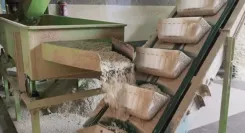
In 2021, the government specifically authorised the Food Corporation of India (FCI) to route surplus rice — grain held beyond buffer-stock norms — to distilleries. The logic is clear: grain that would otherwise sit in warehouses or spoil is converted into fuel, generating income for farmers and reducing crude oil imports simultaneously.
India's E20 Push and Why It Matters Now
India's E20 target — blending 20% ethanol into petrol nationwide — was originally set for 2030, then advanced to 2025 in a 2022 policy revision, reflecting the urgency of cutting dependence on imported crude. Every percentage point of blending reduces the foreign-exchange burden on oil marketing companies and trims vehicular carbon emissions. Grain farmers benefit too: ethanol demand creates an alternative, often more remunerative, market for maize and rice.
The distinction between food-security grain and genuinely surplus or sub-standard grain routed to distilleries is the factual core of the government's defence — and the point Gupta's post appears designed to reinforce against circulating claims to the contrary.
As blending percentages climb and FCI grain diversion volumes grow, the quality of public understanding around this policy will shape how smoothly India crosses the E20 finish line.
Point of View
A politically sensitive nerve in India. The E20 programme sits at the intersection of agricultural income support, import substitution, and climate commitments, making it a natural target for contested narratives. By anchoring the rebuttal in institutional facts — FCI's surplus-grain mandate, the biofuels policy framework — the messaging attempts to shift the debate from fear to policy literacy. Whether that correction reaches the audiences consuming the original rumours is the real test.
NationPress
20 Sept 2026
Frequently Asked Questions
Does ethanol production in India use food grains meant for the poor?
No. India's ethanol policy specifically routes only surplus, broken, or damaged grains — held beyond buffer-stock norms by the Food Corporation of India — to distilleries, keeping Public Distribution System stocks untouched.
What is the E20 programme in India?
E20 refers to India's target of blending 20% ethanol into petrol nationwide. The deadline was advanced from 2030 to 2025 in 2022 to reduce crude oil imports and cut vehicular emissions.
What grains are used to produce ethanol in India?
Under the National Policy on Biofuels 2018, ethanol can be produced from sugarcane, maize, broken rice, and surplus or non-human-grade grains, in addition to traditional sugarcane molasses.
What role does the Food Corporation of India play in ethanol production?
The FCI supplies surplus rice — grain held above buffer-stock requirements — to distilleries for ethanol production. A 2021 government notification formally authorised this diversion.
Why did Delhi CM Rekha Gupta post about ethanol on 6 August 2026?
Gupta said rumours were circulating about where the grain for ethanol production comes from, and she directed the public to understand the factual basis of the government's sourcing policy under the E20 programme.