Cheetah CCB-2 released at Gandhi Sagar Sanctuary, MP's count rises to 56
Synopsis
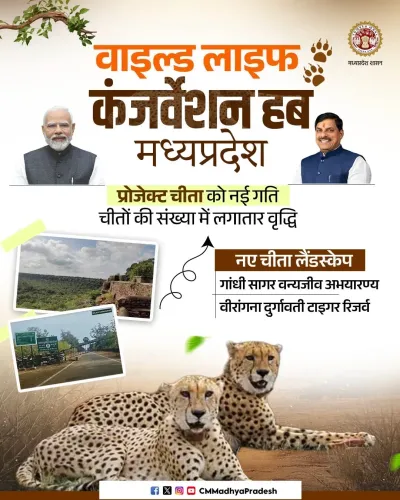
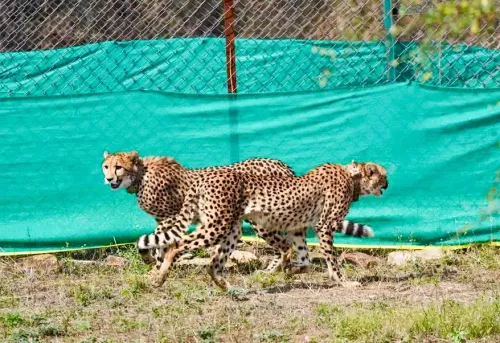
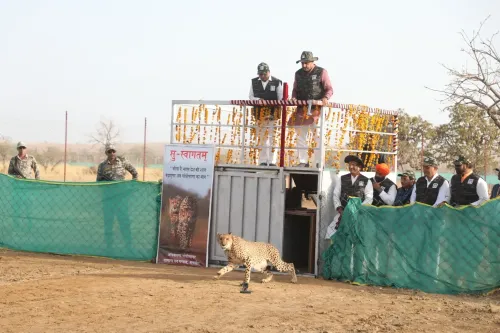
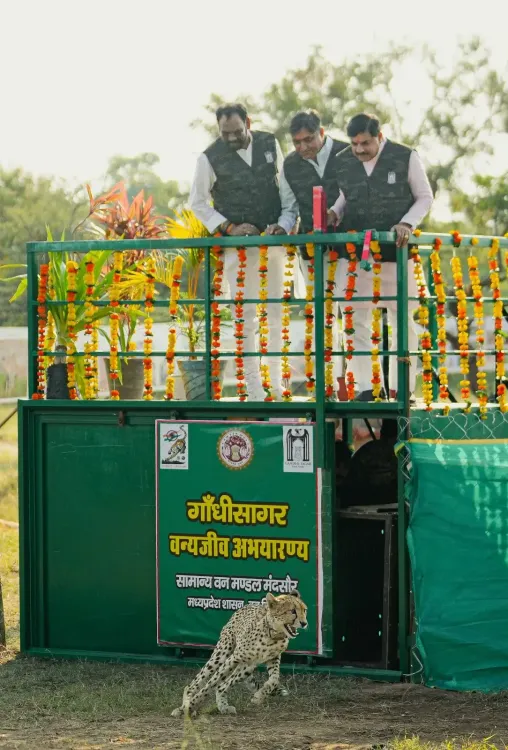
A female cheetah named CCB-2, flown in from Botswana, was released into Gandhi Sagar Wildlife Sanctuary on 20 September by Madhya Pradesh CM Mohan Yadav — taking the sanctuary's count to four and the state total to 56. The balanced male-female grouping at Gandhi Sagar now gives Project Cheetah its best chance yet of natural breeding outside Kuno.
Key Takeaways
Chief Minister Mohan Yadav released female cheetah CCB-2 from Botswana into Gandhi Sagar Wildlife Sanctuary , Neemuch, on 20 September 2026 .
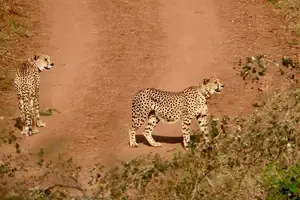
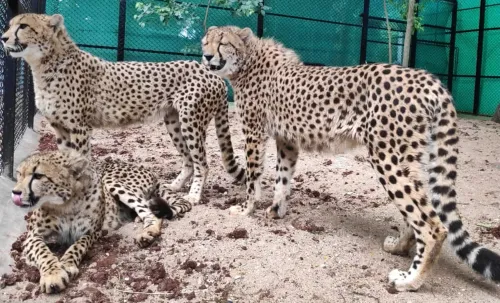
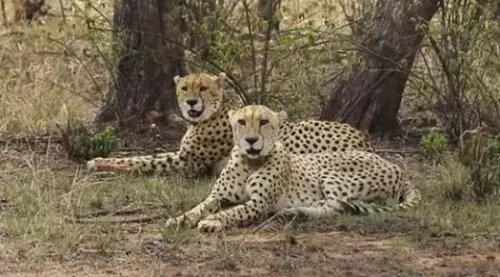
The sanctuary now holds four cheetahs — two males and two females — raising breeding prospects.
Madhya Pradesh's total cheetah population, including cubs, stands at 56 .
The release came two days after four new cheetahs arrived at another facility in the state.
Cheetahs 'Pavak' and 'Prabhas' , released last year, are reported to be healthy.
The project aims to re-establish the cheetah's life cycle in India after a gap of nearly 100 years .
Madhya Pradesh Chief Minister Mohan Yadav on Sunday, 20 September 2026, released a female cheetah named CCB-2 — brought from Botswana — into the Gandhi Sagar Wildlife Sanctuary in Neemuch district, taking the total number of cheetahs at the sanctuary to four and raising hopes of natural breeding in the region.
Key Developments
The sanctuary now hosts two male and two female cheetahs, a balanced grouping that wildlife officials believe improves the prospect of the population expanding organically. This release comes just two days after four new cheetahs arrived at another facility in the state, underscoring the accelerating pace of Project Cheetah in Madhya Pradesh.
Across the state, Madhya Pradesh is currently home to 56 cheetahs, including cubs — the largest concentration in Asia since the species was declared extinct on the continent nearly a century ago.
What the Chief Minister Said
Speaking to reporters after the release, Chief Minister Yadav described the move as a reflection of the state's philosophy of 'live and let live' towards wildlife. He congratulated the Forest Department and the people of Madhya Pradesh, and emphasised the need to further strengthen the state's ecosystem.
Yadav credited the initiative to the broader vision of Prime Minister Narendra Modi, calling Project Cheetah 'a historic and significant initiative not only for Madhya Pradesh but for the whole of Asia.' He also expressed satisfaction that cheetahs 'Pavak' and 'Prabhas', released last year, remain healthy.
Historical Context
Cheetahs had been functionally extinct in Asia — and had vanished from Madhya Pradesh — for nearly 100 years. Project Cheetah, launched with the first translocation of African cheetahs from Namibia in 2022, marks the world's first intercontinental large-carnivore reintroduction. The Gandhi Sagar phase represents the next stage of that effort, spreading the population beyond the original Kuno National Park base.
Socio-Economic Impact
Chief Minister Yadav highlighted that the project has generated local employment and improved livelihoods for communities around the sanctuary. He acknowledged that initial apprehensions among villagers existed but said these had eased over time, attributing the shift to consistent outreach and community engagement.
Separately, the state government has also brought wild buffaloes from Assam as part of a broader wildlife restoration drive, reflecting a multi-species conservation ambition that extends beyond cheetahs alone.
What Comes Next
Forest officials will closely monitor CCB-2's acclimatisation to the Gandhi Sagar terrain. If the four cheetahs at the sanctuary breed successfully, it would mark a significant milestone in establishing a self-sustaining wild population in central India. The project aims to complete the re-establishment of the cheetah's life cycle on Indian soil after a gap of nearly a century.
Point of View
State-dependent one. The socio-economic framing by the Chief Minister is also worth watching: community buy-in near Gandhi Sagar is less mature than around Kuno, and how the Forest Department manages human-wildlife interface in Neemuch will be as decisive as any translocation logistics.
NationPress
20 Sept 2026
Frequently Asked Questions
What is the Gandhi Sagar cheetah release and why does it matter?
On 20 September 2026, Madhya Pradesh CM Mohan Yadav released a female cheetah named CCB-2, sourced from Botswana, into Gandhi Sagar Wildlife Sanctuary in Neemuch district. It matters because it diversifies India's reintroduced cheetah population beyond Kuno National Park, reducing concentration risk and improving breeding prospects.
How many cheetahs are now in Madhya Pradesh?
Madhya Pradesh currently hosts 56 cheetahs, including cubs, making it the largest concentration of cheetahs in Asia since the species went locally extinct nearly 100 years ago. Gandhi Sagar sanctuary alone now holds four — two males and two females.
Where was cheetah CCB-2 brought from?
CCB-2 is a female cheetah brought from Botswana as part of the ongoing intercontinental translocation effort under Project Cheetah. Earlier cohorts were sourced from Namibia and South Africa.
What is Project Cheetah and when did it begin?
Project Cheetah is India's initiative to reintroduce the cheetah, which had been extinct in the country for nearly 100 years, into protected wildlife habitats. It began with the first translocation of African cheetahs from Namibia in 2022 and is described by the government as the world's first intercontinental large-carnivore reintroduction programme.
What is the significance of having both male and female cheetahs at Gandhi Sagar?
Having two males and two females at Gandhi Sagar creates conditions for natural breeding in the sanctuary, which would be a major milestone for the project. A self-sustaining wild-born population would reduce India's dependence on further translocations from Africa.