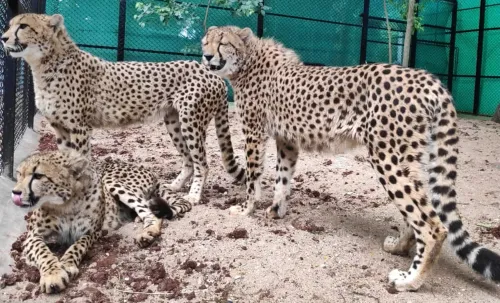
Kuno National Park: CM Yadav to release two Botswana cheetahs into wild on May 11
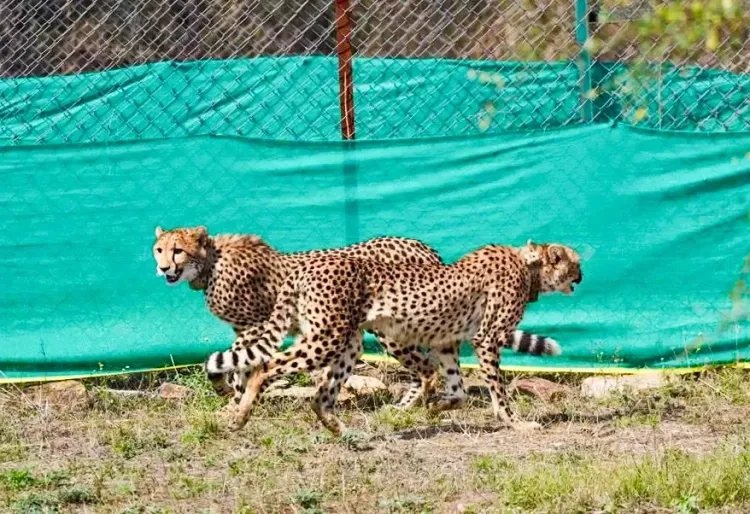
Synopsis
Two female cheetahs from Botswana are set to roam free at Kuno National Park on May 11, as MP's cheetah count hits 57. CM Mohan Yadav's visit marks a defining moment for India's reintroduction programme — and signals Madhya Pradesh's ambition to become India's biodiversity capital, not just its Tiger State.
Key Takeaways
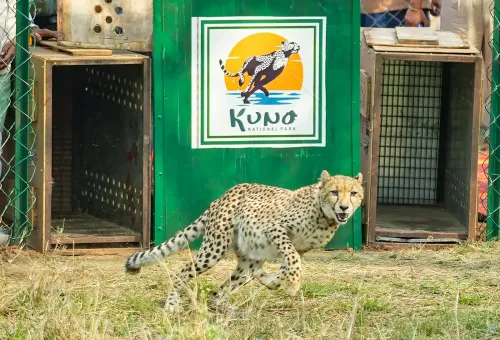
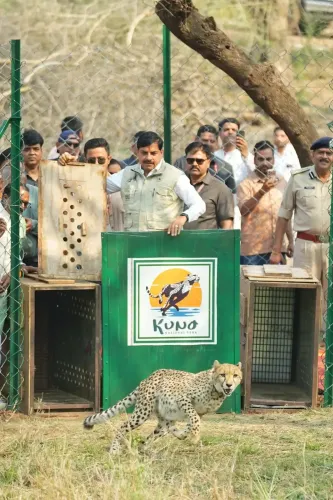
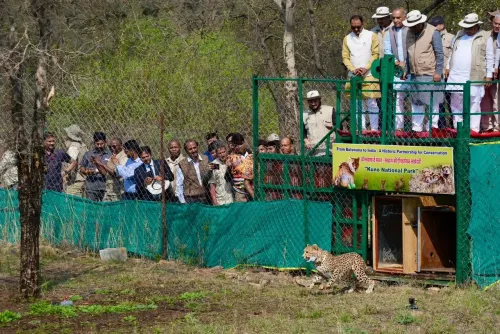
CM Mohan Yadav will visit Kuno National Park , Sheopur, on 11 May 2025 to release two female cheetahs into open wilderness.
The cheetahs were originally sourced from Botswana ; Madhya Pradesh's total cheetah count now stands at 57 .
Madhav Tiger Reserve was designated the state's ninth tiger reserve in March 2025 , with a 13 km protective wall under construction.
Madhya Pradesh leads nationally in vulture conservation with over 14,000 birds ; a tracked vulture reached Uzbekistan . ₹47 crore allocated for elephant conservation; a mega tiger corridor linking Kanha , Bandhavgarh , Panna , and Pench is under development.
New sanctuaries being established in Sagar , Omkareshwar , and Jahangarh , alongside the state's first Conservation Reserve in the Tapti region.
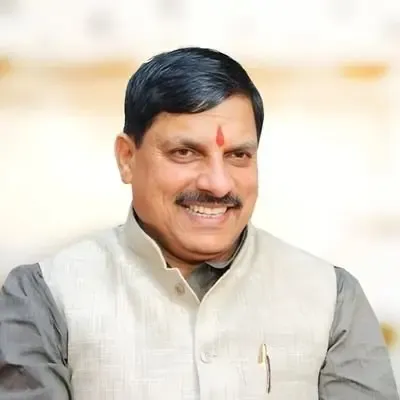
Madhya Pradesh Chief Minister Mohan Yadav is set to visit Kuno National Park in Sheopur on 11 May 2025 to release two female cheetahs — originally brought from Botswana — from their protective enclosures into open wilderness. The move marks a landmark moment for India's Cheetah Reintroduction Project, with the state's cheetah population now reportedly standing at 57.
Key Developments at Kuno
The two female cheetahs being released were part of the cohort translocated from Botswana under the international reintroduction programme. Their transition from enclosed habitat to free-ranging wilderness is considered a critical test of the project's long-term viability. According to officials, the cheetahs have cleared the necessary health and behavioural assessments required before open-range release.
This comes amid growing momentum in Madhya Pradesh's broader wildlife conservation agenda, with the state now home to 57 cheetahs — a figure that underscores the project's recovery trajectory since the first cohort arrived from Namibia in September 2022.
From Tiger State to Biodiversity Hub
Under Chief Minister Yadav's tenure, Madhya Pradesh has been repositioning itself beyond its long-standing identity as India's Tiger State. The state recently declared Ratapani as a new tiger reserve, named after noted archaeologist Vishnu Shridhar Wakankar. In March 2025, Madhav Tiger Reserve was designated the state's ninth tiger reserve, where a 13 km protective wall is currently under construction to mitigate human-wildlife conflict.
Notably, Madhya Pradesh has also emerged as a national leader in vulture conservation, with a population exceeding 14,000 birds. A dedicated rescue centre in Bhopal drew international attention after a tracked vulture was recorded travelling as far as Uzbekistan.
New Sanctuaries and Conservation Corridors
The state government is expanding its conservation footprint with the establishment of the Baba Saheb Dr. Bhimrao Ambedkar Wildlife Sanctuary in Sagar, alongside new sanctuaries in Omkareshwar and Jahangarh. The Tapti region has been designated as the state's first Conservation Reserve, and ₹47 crore has been allocated for elephant conservation efforts.
Work is also progressing on a mega tiger corridor linking Kanha, Bandhavgarh, Panna, and Pench — an initiative aimed at improving genetic diversity and territorial range for the tiger population. These efforts are also supporting conservation of rare species including gharials and wild buffaloes.
Economic and Tourism Impact
Experts suggest that Madhya Pradesh's conservation push is generating tangible economic dividends, boosting local employment and eco-tourism revenues across forest-adjacent communities. The state's model — balancing infrastructure development with habitat preservation — is being cited as a potential benchmark for wildlife management in densely populated countries.
With the 11 May release at Kuno set to be the latest headline moment, all eyes will be on how the two Botswana cheetahs adapt to free-range conditions in the weeks ahead.
Point of View
But the harder metric is survival rate post-release — something India's reintroduction programme has struggled to communicate transparently. With 57 cheetahs now in Madhya Pradesh, the project has scale; what it still needs is a credible, publicly accessible mortality and adaptation tracking framework. The state's broader conservation pivot — nine tiger reserves, new sanctuaries, a vulture centre with Uzbekistan-range data — is genuinely ambitious. But conservation credibility is built on long-term outcomes, not inauguration ceremonies. The real test for CM Yadav's biodiversity model will come when development pressures — roads, mining, agriculture — collide with the corridors being promised today.
NationPress
24 Sept 2026
Frequently Asked Questions
Which cheetahs are being released at Kuno National Park on May 11?
Two female cheetahs originally brought from Botswana are being released from their protective enclosures into open wilderness at Kuno National Park in Sheopur, Madhya Pradesh, on 11 May 2025. The release is being overseen by Chief Minister Mohan Yadav.
How many cheetahs are currently in Madhya Pradesh?
Madhya Pradesh's cheetah population has reportedly reached 57, according to state officials, making it the largest cheetah population in India under the national reintroduction programme that began in September 2022.
What is the significance of the Kuno cheetah release?
The release of free-ranging cheetahs into open wilderness marks a critical phase of India's Cheetah Reintroduction Project, moving beyond enclosed habitat management to testing the animals' ability to survive and establish territories independently.
What other wildlife conservation initiatives has Madhya Pradesh launched recently?
Madhya Pradesh designated Madhav Tiger Reserve as its ninth tiger reserve in March 2025, allocated ₹47 crore for elephant conservation, and is developing a mega tiger corridor linking Kanha, Bandhavgarh, Panna, and Pench. New sanctuaries are being set up in Sagar, Omkareshwar, and Jahangarh.
Why is Madhya Pradesh considered a leader in vulture conservation?
The state hosts a vulture population of more than 14,000 birds and operates a dedicated rescue centre in Bhopal. The centre gained international attention after a tracked vulture was recorded travelling as far as Uzbekistan.