When will the 3rd batch of cheetahs arrive in India?

Synopsis
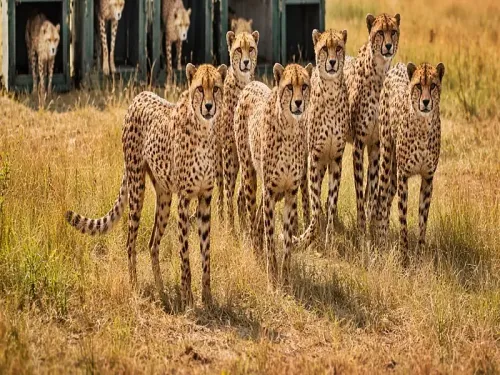
Exciting news for wildlife enthusiasts! The third batch of cheetahs from Botswana is set to arrive in India on February 28. Madhya Pradesh CM Mohan Yadav announces this significant step in wildlife conservation after discussions with Union Minister Bhupender Yadav. The project aims to bolster the cheetah population and enhance tourism in the region.
Key Takeaways
The third batch of cheetahs from Botswana arrives on February 28.
Madhya Pradesh is enhancing its wildlife conservation efforts.
The project aims to boost the cheetah population in India.
Gandhi Sagar Sanctuary has been established as a second home for cheetahs.
International collaboration is key in wildlife conservation.
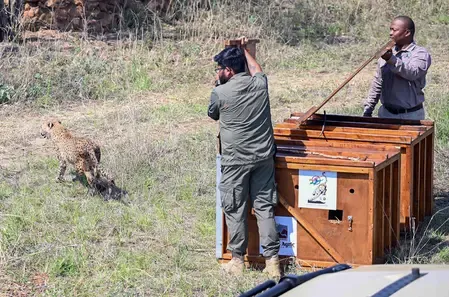
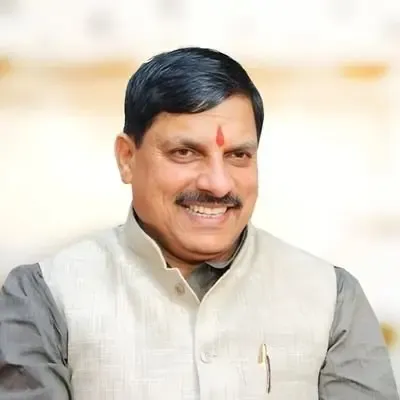
Bhopal/New Delhi, Feb 4 (NationPress) The third batch consisting of eight cheetahs from Botswana is scheduled to land in India on February 28, as confirmed by Madhya Pradesh Chief Minister Mohan Yadav following a meeting with Union Minister for Environment, Forest and Climate Change, Bhupender Yadav, in New Delhi on Wednesday.
The Chief Minister revealed that the meeting encompassed extensive discussions regarding various topics such as tourism development, expansion of reserve forests, and wildlife conservation in Madhya Pradesh.
During the discussions, he highlighted the state government's readiness to accommodate the new batch of cheetahs and requested collaboration from the central government.
"Madhya Pradesh is also planning to introduce wild buffaloes from Assam. We addressed the process and necessary arrangements for the arrival of the eight cheetahs from Botswana on February 28 this year," Chief Minister Yadav informed the media following the meeting with Union Minister Bhupender Yadav in New Delhi.
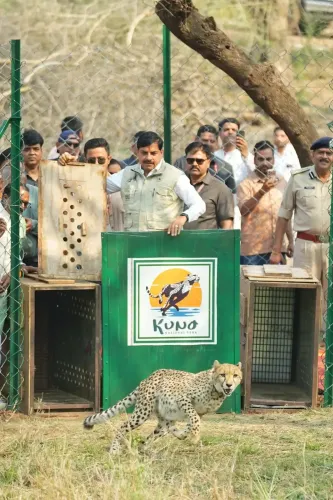
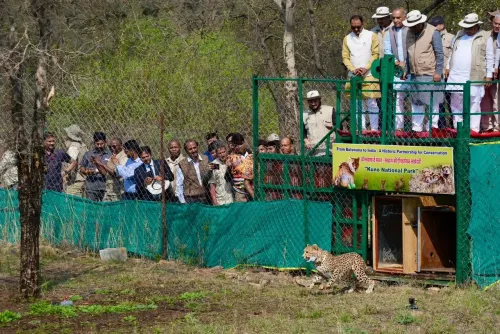
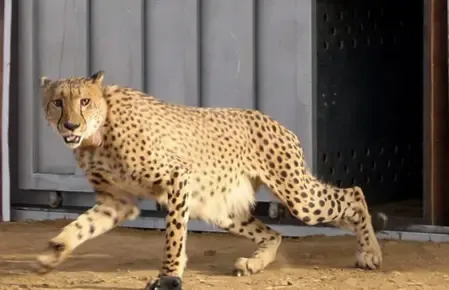
The ambitious cheetah reintroduction project was initiated in the Kuno National Park (KNP) in Sheopur district, part of the Gwalior-Chambal region in Madhya Pradesh, starting with the relocation of eight big cats from Namibia on September 17, 2022, followed by twelve cheetahs from South Africa on February 18, 2023.
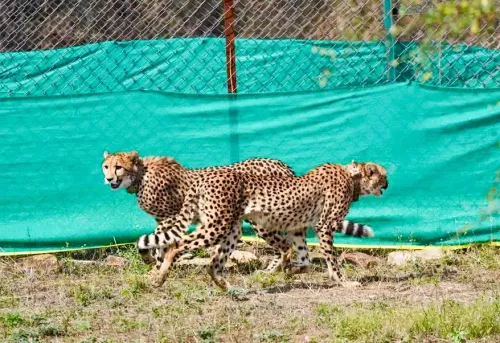
A total of 20 cheetahs were released into Kuno National Park across two batches—unfortunately, nine adults have died so far. Despite ongoing losses, the current cheetah population has surpassed 30, including cubs.
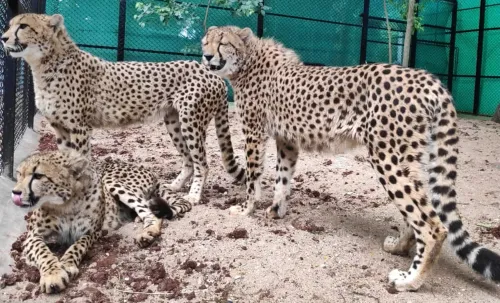
As the arrival of the third batch approaches, Madhya Pradesh has established a second home for the big cats at the Gandhi Sagar Wildlife Sanctuary.
Two male cheetahs, Prabhash and Pavak, have been relocated from Kuno National Park to Gandhi Sagar, while a female cheetah named Dheera was moved there in September of last year.
Previously, in December 2025, a delegation from Botswana visited Gandhi Sagar alongside senior officials from the National Tiger Conservation Authority (NTCA) and experts from the Wildlife Institute of India to evaluate the preparations, including quarantine bomas, control rooms, and hospitals, and expressed their approval.
Point of View
The arrival of the third batch of cheetahs is a significant step towards restoring India's wildlife heritage. The ongoing efforts demonstrate a commitment to biodiversity and tourism, which can benefit local communities. It showcases India's dedication to wildlife conservation and international collaboration.
NationPress
2 Oct 2026
Frequently Asked Questions
When are the cheetahs arriving?
The third batch of eight cheetahs from Botswana is scheduled to arrive in India on February 28.
What is the purpose of the cheetah reintroduction project?
The project aims to restore the cheetah population in India and enhance wildlife conservation efforts.
Where will the cheetahs be housed?
The cheetahs will be housed at Kuno National Park and the newly established Gandhi Sagar Wildlife Sanctuary.
How many cheetahs have been relocated so far?
So far, a total of 20 cheetahs have been relocated to Kuno National Park in two batches.
What has been the outcome of previous relocations?
While nine adults have unfortunately died, the cheetah population has exceeded 30, including cubs.