NDMA Sachet app shields Gujarat farmers and fishermen from disaster alerts
Synopsis
India's NDMA Sachet app is quietly rewriting disaster response for Gujarat's most vulnerable — coastal farmers and fishermen who previously depended on slow TV and radio alerts. With 70 crore monsoon messages sent in Ahmedabad alone this season and geo-fencing delivering hyper-local warnings, Sachet is the last-mile link that India's disaster preparedness chain has long been missing.
Key Takeaways
The NDMA Sachet app uses Common Alerting Protocol (CAP) and geo-fencing technology to deliver real-time disaster alerts in Gujarat .
The app covers threats including cyclones, heavy rainfall, lightning, floods, and heatwaves .
Approximately 70 crore messages were sent via warning systems in Ahmedabad during this year's monsoon season, according to Relief Director S.C.
Farmers like Ambubhai Patel (Valsad) and fishermen like Bhagubhai Tandel have credited the app with enabling timely, life-saving decisions.
Alerts reach state government, local administration, panchayats, and village-level bodies, streamlining relief coordination.
The app addresses the time-lag limitations of traditional channels like TV and radio in disaster communication.
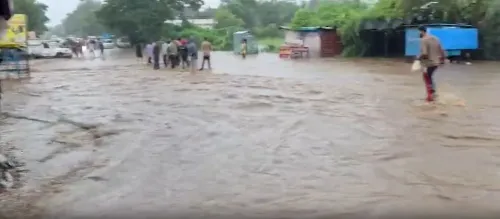
The National Disaster Management Authority (NDMA)'s 'Sachet' mobile application and the Sachet National Disaster Alert Portal are delivering real-time disaster warnings to farmers and fishermen across Gujarat's coastal regions, significantly reducing the risk to lives and livelihoods during extreme weather events. Deployed actively in the state, the app has emerged as a critical early-warning tool amid a monsoon season that sent approximately 70 crore messages through various warning systems in Ahmedabad alone.
How the Sachet App Works
The Sachet app uses Common Alerting Protocol (CAP) and geo-fencing technology to push location-specific alerts about cyclones, heavy rainfall, lightning, floods, and heatwaves directly to users' mobile phones. Unlike traditional mass communication channels such as TV and radio — which involve significant time lags — the app delivers warnings in real time, allowing communities to act before conditions deteriorate.
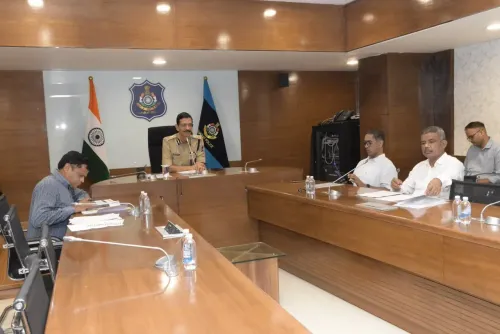
Alerts are simultaneously transmitted to state government agencies, local administration, panchayats, and village-level bodies, enabling faster coordination of relief and rescue operations.
Voices from the Field
Ambubhai Patel, a farmer from Valsad, described the app as transformative. 'If a farmer's crop is ready for harvest, they can move it to a safe location. The Sachet app provides crucial information to the public,' he said. Patel noted that the app alerts farmers about impending storms and rainfall in time for them to return safely from their fields.
Fisherman Bhagubhai Tandel echoed the sentiment, calling the app 'excellent for the fishing community' and noting that it provides timely information whenever there is a likelihood of rain — a critical advantage for those venturing into open waters.
What Officials Said
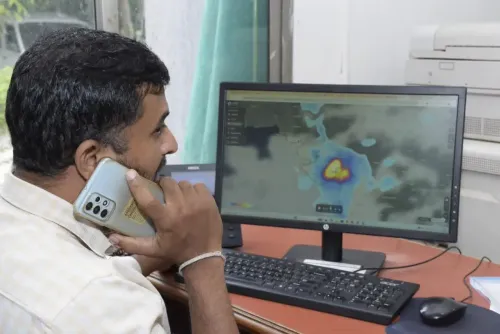
Ashok Kumar Das, Director of the Ahmedabad Meteorological Department, confirmed that weather information and updates are disseminated through the app, ensuring communities receive timely advisories. Relief Director S.C. Savaliya noted that approximately 70 crore messages were sent via various warning systems in Ahmedabad during this year's monsoon season, underscoring the scale of the platform's reach.
Broader Impact and What's Next
The Sachet app is now serving as what officials describe as a 'digital safety shield' for thousands of residents vulnerable to weather extremes. This comes amid growing recognition that last-mile alert delivery — reaching individual farmers and fishermen rather than just district administrations — is the weakest link in India's disaster preparedness chain. The Gujarat deployment offers a replicable model for other coastal and flood-prone states. Wider rollout and integration with additional meteorological data sources could further sharpen the app's predictive utility.
Point of View
But volume of messages is not the same as verified behaviour change. The real measure of success is whether alert receipt is translating into reduced casualties and crop losses — data that officials have not yet made public. Replication across other coastal and flood-prone states will depend on smartphone penetration and local-language support, both of which remain uneven outside Gujarat's relatively connected coastal belt.
NationPress
17 Aug 2026
Frequently Asked Questions
What is the NDMA Sachet app?
The Sachet app is a mobile application developed by the National Disaster Management Authority (NDMA) that sends real-time, location-specific disaster alerts — covering cyclones, heavy rainfall, lightning, floods, and heatwaves — using Common Alerting Protocol (CAP) and geo-fencing technology. It is currently deployed in Gujarat, where it serves farmers and fishermen in coastal regions.
How does the Sachet app help Gujarat farmers and fishermen?
The app delivers hyper-local warnings directly to users' phones before extreme weather strikes, giving farmers time to harvest or shelter crops and fishermen time to return to shore. Users like Valsad farmer Ambubhai Patel and fisherman Bhagubhai Tandel have described it as a significant improvement over traditional TV and radio alerts, which involve longer time lags.
How many alerts were sent through the Sachet system this monsoon season?
According to Relief Director S.C. Savaliya, approximately 70 crore messages were sent via various warning systems in Ahmedabad during this year's monsoon season, reflecting the platform's large operational scale.
Who receives alerts through the Sachet portal besides individual users?
Alerts from the Sachet National Disaster Alert Portal are simultaneously transmitted to state government agencies, local administration, panchayats, and village-level bodies, enabling faster coordination of relief and rescue operations.
Can the Sachet app model be extended to other Indian states?
Officials and observers consider the Gujarat deployment a replicable model for other coastal and flood-prone states. Wider rollout would depend on smartphone penetration, local-language support, and integration with additional meteorological data sources.