Amit Shah to launch SACHET disaster alert system with Cell Broadcast tech
Synopsis
India's disaster alert infrastructure gets a major upgrade — SACHET, already responsible for over 134 billion SMS warnings in 19 languages, is now adding Cell Broadcast technology that can reach every mobile device in a geographic area simultaneously, even when networks are congested. The launch by Home Minister Amit Shah signals a serious pre-monsoon push on early warning systems.
Key Takeaways
Union Home Minister Amit Shah and Communications Minister Jyotiraditya Scindia will formally launch the system on Saturday, 3 May 2025 .
The SACHET Integrated Alert System , developed by C-DOT , is already live across all 36 States and Union Territories .
More than 134 billion SMS alerts have been sent in over 19 Indian languages since the system's rollout.
New Cell Broadcast (CB) technology enables simultaneous alerts to all devices in a geographic area, bypassing network congestion.
A nationwide test exercise will be conducted; mobile users in Delhi-NCR and other capitals may receive test messages in English, Hindi, and regional languages.
The system follows the ITU Common Alerting Protocol , aligning India with global emergency communication standards.
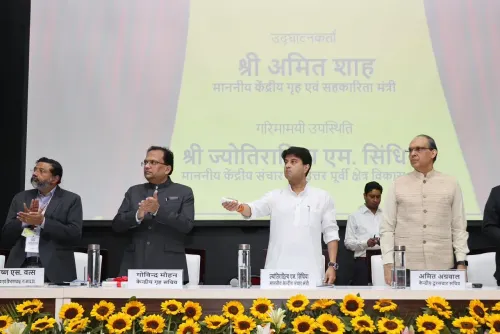
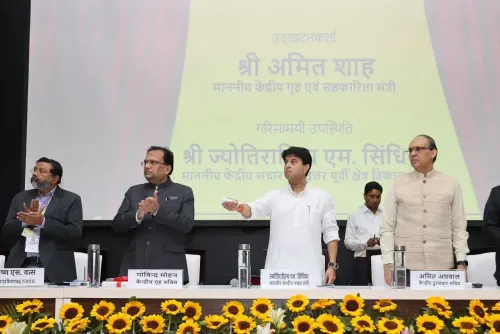
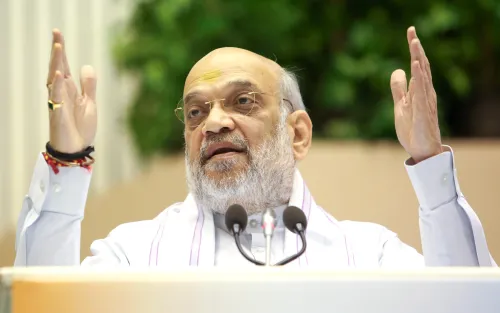
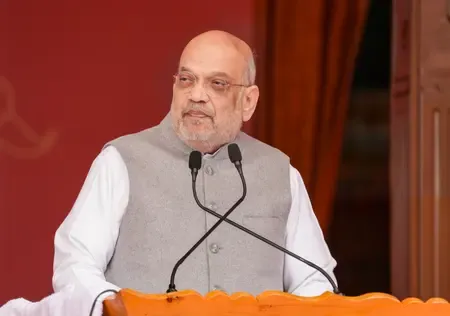
Union Home Minister Amit Shah, alongside Union Communications Minister Jyotiraditya Scindia, will on Saturday, 3 May 2025, formally launch a nationwide mobile-based disaster communication system designed to deliver emergency alerts faster and more effectively to citizens across India. The initiative, developed by the Department of Telecommunications (DoT) in collaboration with the National Disaster Management Authority (NDMA), marks a significant upgrade to India's early warning infrastructure.
What Is SACHET and How It Works
At the heart of the system is the Integrated Alert System SACHET, developed by the Centre for Development of Telematics (C-DOT) and now operationalised across all 36 States and Union Territories. The platform delivers geo-targeted SMS alerts to mobile users and follows the Common Alerting Protocol recommended by the International Telecommunication Union (ITU). Since its rollout, the system has already disseminated more than 134 billion SMS alerts in over 19 Indian languages, covering natural disasters, extreme weather events, and cyclonic warnings.
Cell Broadcast Technology: The Key Addition
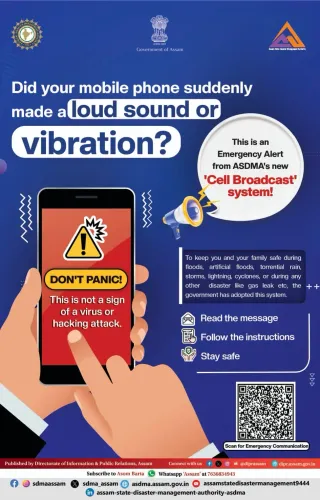
To further strengthen the speed and reach of alerts during critical events such as earthquakes, tsunamis, lightning strikes, flash floods, and industrial hazards, the government has introduced Cell Broadcast (CB) technology alongside the existing SMS-based framework. Unlike conventional messaging, CB technology enables the simultaneous transmission of alerts to all mobile devices within a defined geographic area, ensuring near-instant delivery even during periods of severe network congestion — a critical advantage when communication infrastructure is under stress during disasters.
Officials stated that the integration of SMS and Cell Broadcast systems will make India's emergency response communication framework more robust, real-time, and accessible during crisis situations. This is a notable structural improvement over the earlier system, which relied solely on SMS delivery and was vulnerable to delays during high-traffic periods.
Nationwide Testing Exercise
As part of the formal rollout, a nationwide testing exercise will be conducted during which mobile users in capital cities, including Delhi-NCR, may receive test messages in English, Hindi, and regional languages. The Ministry has clarified that these are test alerts only, and no action is required from the public. Citizens have been urged not to panic upon receiving such messages.
Why This Matters for Disaster Preparedness
The scale of SACHET's existing usage — over 134 billion alerts across 19 languages — underscores the growing reliance on technology-driven early warning systems in a country highly exposed to natural disasters. India ranks among the world's most disaster-prone nations, facing annual threats from cyclones along its coastline, flash floods in the Himalayan belt, and seismic activity across multiple zones. This comes amid a broader global push to standardise emergency communication protocols, with the ITU's Common Alerting Protocol now adopted by several major economies. The addition of Cell Broadcast capability aligns India with countries such as Japan, South Korea, and the United States, which have long used similar mass-notification technologies. With both ministers present at the launch, the rollout signals strong political prioritisation of disaster preparedness infrastructure ahead of the monsoon season.
Point of View
Despite SACHET's impressive SMS volumes, has been a known gap. The more important question now is last-mile reach: whether alerts in 19 languages actually translate into timely action in remote, low-literacy, or network-weak areas. Technology is only as effective as the public behaviour it changes.
NationPress
19 Sept 2026
Frequently Asked Questions
What is the SACHET disaster alert system being launched by Amit Shah?
SACHET is India's Integrated Alert System developed by the Centre for Development of Telematics (C-DOT) under the Department of Telecommunications, in collaboration with the NDMA. It delivers geo-targeted SMS alerts during disasters and is now being upgraded with Cell Broadcast technology for near-instant mass notification.
What is Cell Broadcast technology and why is it being added?
Cell Broadcast (CB) technology allows emergency alerts to be transmitted simultaneously to all mobile devices within a specific geographic area, without relying on individual SMS delivery. Unlike standard SMS, it works even during network congestion — making it far more reliable during earthquakes, floods, or industrial emergencies.
How many alerts has SACHET sent so far?
The SACHET system has already disseminated more than 134 billion SMS alerts in over 19 Indian languages, covering natural disasters, extreme weather events, and cyclone warnings across all 36 States and Union Territories.
Will citizens receive test messages during the rollout?
Yes. As part of the nationwide testing exercise, mobile users in capital cities including Delhi-NCR may receive test alerts in English, Hindi, and regional languages. The Ministry has clarified these are test messages only and the public should not panic or take any action.
Which disasters does the system cover?
The system is designed to deliver alerts for a wide range of emergencies including earthquakes, tsunamis, lightning strikes, flash floods, cyclones, extreme weather events, and industrial hazards.