NDMA tests Cell Broadcast Alert system nationwide on 2 May 2026

Synopsis
India tested its homegrown Cell Broadcast Alert system on 2 May 2026, sending a sharp alarm-tone flash message to phones nationwide. Built by C-DOT and based on the ITU-recommended Common Alerting Protocol, the SACHET system is designed to warn citizens of tsunamis, earthquakes, gas leaks, and other emergencies — in multiple Indian languages — before its full national rollout.
Key Takeaways
NDMA conducted a pan-India test of the Cell Broadcast Alert system on 2 May 2026 .
The system, called SACHET , was developed by the Centre for Development of Telematics (C-DOT) .
It is based on the Common Alerting Protocol (CAP) , recommended by the International Telecommunication Union (ITU) .
Alerts cover disasters such as tsunamis, earthquakes, lightning strikes , and man-made emergencies like gas leaks and chemical hazards .
After testing, the system will be operationalised to send alerts in multiple Indian languages across all mobile handsets.
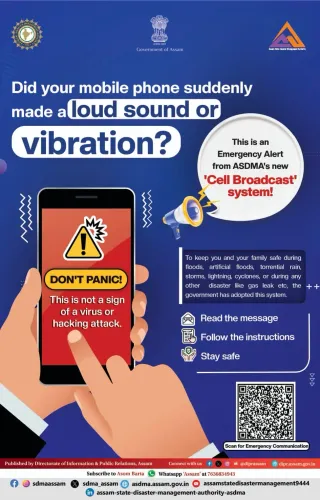
The National Disaster Management Authority (NDMA) on 2 May 2026 conducted a nationwide test of India's indigenous mobile emergency alert system — Cell Broadcast Alert — sending a loud alarm-tone flash message to mobile phones across the country. The pan-India drill is part of a broader assessment of the system's performance and reliability ahead of its full operational rollout.
What the Alert Said
When the test notification arrived on Saturday, it triggered a sharp alarm tone and a flashing on-screen message. The text read:
Point of View
South Korea, the US — have had mandatory cell broadcast systems for years; India is a late mover. The real benchmark will be whether SACHET reaches feature phones and 2G users in rural, high-risk zones — the populations most vulnerable to tsunamis and earthquakes and least likely to have smartphones with test channels enabled. A system that works only on premium handsets is not a safety net; it is a press release.
NationPress
19 Sept 2026
Frequently Asked Questions
What is the Cell Broadcast Alert system tested by NDMA?
It is India's indigenous mobile emergency alert system, called SACHET, developed by the Centre for Development of Telematics (C-DOT). It sends flash SMS messages with a loud alarm tone to mobile phones in targeted areas to warn citizens of disasters such as earthquakes, tsunamis, and gas leaks.
Why did phones ring loudly with an alert on 2 May 2026?
NDMA conducted a nationwide test of the Cell Broadcast Alert system on 2 May 2026 to assess its performance and reliability before a full national rollout. The loud alarm tone and flashing message were part of the test; no action was required from recipients.
What technology powers the SACHET alert system?
SACHET is based on the Common Alerting Protocol (CAP), recommended by the International Telecommunication Union (ITU). It was developed by C-DOT and delivers alerts via cell broadcast channels on mobile networks.
Who is affected by the Cell Broadcast Alert system?
All mobile users in India will be covered once the system is fully operationalised. Currently, alerts are received on phones that have their Cell Broadcast test channels enabled. Users can manage alert settings via Settings → Safety and emergency → Wireless emergency alerts → Test alerts.
When will the Cell Broadcast Alert system be fully rolled out?
The system is currently in pan-India testing phase. After the nationwide tests conclude and performance is assessed, it will be operationalised across the country and will deliver alerts in multiple Indian languages on all mobile handsets.