Gujarat SEOC sends 286.4 crore disaster alerts, runs 24x7 command hub
Synopsis
Gujarat's SEOC has quietly become one of India's most active disaster command hubs — 286.4 crore SMS alerts sent, 248 taluka centres networked, and 49 NDRF-SDRF teams on standby. Built on the hard lessons of the 2001 Kutch earthquake, it is the operational backbone behind every major relief effort in the state.
Key Takeaways
Gujarat's SEOC has issued more than 286.4 crore SMS alerts through the SACHET early warning system .
The SACHET platform has reached over six crore mobile app users and more than 5.3 lakh web browser users .
The emergency network spans 33 DEOCs , five Emergency Response Centres , and 248 Taluka Emergency Operations Centres .
17 NDRF teams and 32 SDRF teams are on standby, with Army, Air Force, and Navy support available when required.
The SEOC was substantially strengthened after the 2001 Kutch earthquake , which exposed gaps in the state's disaster response.
Emergency helplines: state-level 51900 and 1070 ; district-level toll-free 1077 .
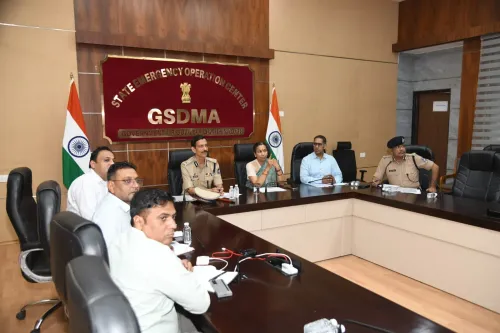
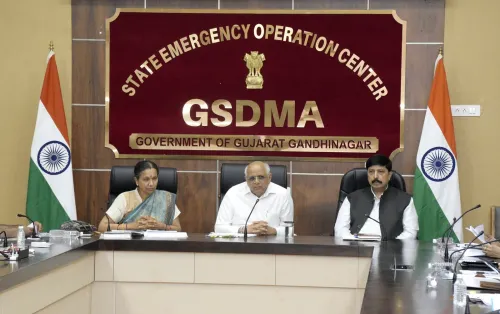
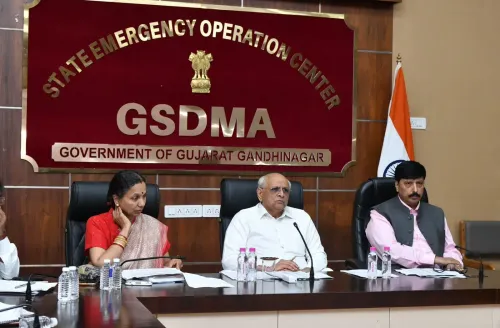
Gujarat's State Emergency Operations Centre (SEOC), headquartered in Gandhinagar, has issued more than 286.4 crore SMS alerts to citizens through the SACHET early warning system, operating as the state's round-the-clock command hub for disaster management across emergencies ranging from earthquakes and cyclones to floods and heavy rainfall.
How the SEOC Operates
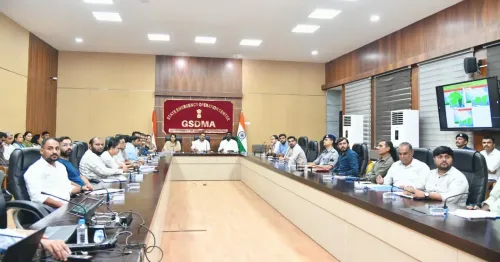
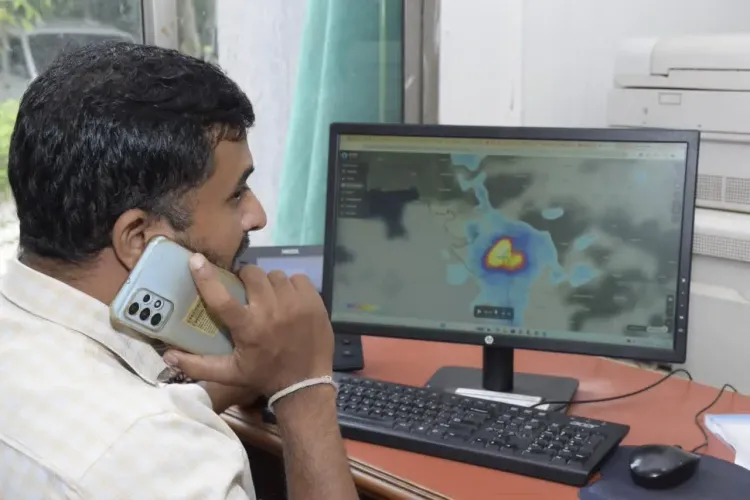
The SEOC functions as Gujarat's central command and control facility for both natural and man-made disasters, overseeing preparedness measures before emergencies strike and coordinating relief and rescue operations when they do. Officials confirmed it runs continuously — 24 hours a day, seven days a week — through real-time monitoring, multi-agency coordination, and layered communication systems.
To maintain uninterrupted connectivity during crises, the SEOC draws on the Gujarat State Wide Area Network (GSWAN) hotline, satellite phones, landlines, email, WhatsApp, and social media. During the monsoon season, police wireless networks and amateur Ham radio systems serve as additional fallback channels.
The SACHET System and Its Reach
The SACHET portal is the backbone of the state's mass-alert infrastructure. Beyond the 286.4 crore SMS alerts already sent, the platform has reached citizens through more than six crore mobile application users and over 5.3 lakh web browser users. This multi-channel approach ensures warnings penetrate even areas with limited internet access.
Notably, this scale of outreach reflects a sustained institutional build-up — the SEOC's architecture was substantially overhauled following the devastating 2001 Kutch earthquake, which exposed critical gaps in the state's emergency response framework.
Network of District and Taluka Centres
The emergency response network fans out across Gujarat through 33 District Emergency Operations Centres (DEOCs), five Emergency Response Centres, and 248 Taluka Emergency Operations Centres. All centres operate under the guidance of the Relief Commissioner and the supervision of the Director of Relief, supported by GSWAN connectivity and round-the-clock monitoring.
Citizens can access emergency helplines at state-level numbers 51900 and 1070, while district-level assistance is available on the toll-free number 1077.
Agency Coordination by Disaster Type
The SEOC coordinates with specialised agencies tailored to each category of disaster. During seismic events, it works with the Institute of Seismological Research (ISR). For floods and cyclones, coordination extends to the India Meteorological Department (IMD), the Irrigation Department, and the Indian Space Research Organisation (ISRO). Tsunami threats bring in the Indian National Centre for Ocean Information Services (INCOIS) alongside the IMD and ISR.
Droughts and heatwaves involve the Agriculture Department; disease outbreaks draw in the Health and Family Welfare Department; chemical accidents are handled with the Directorate of Industrial Safety and Health (DISH) and the Labour and Employment Department; and fire incidents are coordinated through Fire and Emergency Services.
Forces on Standby
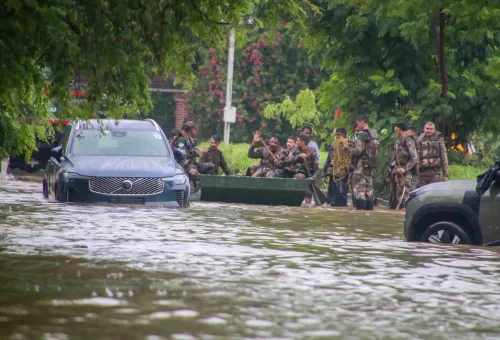
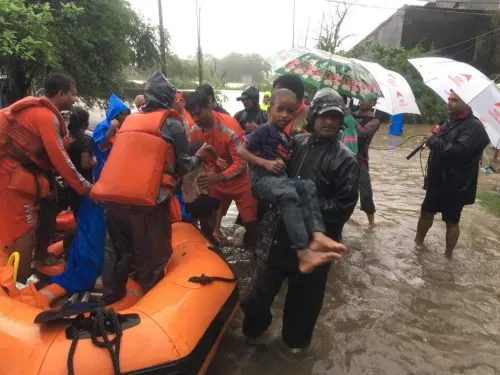
To back ground-level response, the state has kept 17 National Disaster Response Force (NDRF) teams and 32 State Disaster Response Force (SDRF) teams on standby. According to officials, assistance from the Army, Air Force, and Navy is also mobilised whenever the scale of a disaster demands it.
With Gujarat's geography making it vulnerable to multiple hazard types simultaneously, the SEOC's integrated, always-on model is increasingly seen as a template for disaster preparedness in other Indian states.
Point of View
But the more telling metric is reach per hazard event — a number the government has not published. Gujarat's multi-layer SEOC model is genuinely robust by Indian standards, built on the trauma of 2001, but the true stress test is coordination speed during compound disasters, where inter-agency handoffs historically break down. With 248 taluka centres and 49 NDRF-SDRF teams on paper, the gap between infrastructure and trained manpower at the last mile remains the accountability question mainstream coverage rarely asks.
NationPress
14 Sept 2026
Frequently Asked Questions
What is Gujarat's State Emergency Operations Centre (SEOC)?
The SEOC is Gujarat's central command and control hub for disaster management, based in Gandhinagar. It operates 24 hours a day to coordinate emergency response across the state through real-time monitoring, multi-agency communication, and relief operations during events ranging from earthquakes to floods.
What is the SACHET early warning system?
SACHET is a mass-alert portal used by the SEOC to send SMS warnings to citizens in affected areas. It has issued over 286.4 crore SMS alerts to date and has also reached more than six crore mobile app users and 5.3 lakh web browser users across Gujarat.
How many disaster response teams does Gujarat keep on standby?
Gujarat maintains 17 National Disaster Response Force (NDRF) teams and 32 State Disaster Response Force (SDRF) teams on standby. Army, Air Force, and Navy assistance is also mobilised when the scale of a disaster requires it.
Why was the SEOC strengthened, and when?
The SEOC's infrastructure was substantially overhauled after the 2001 Kutch earthquake, which exposed serious gaps in the state's disaster management systems. The rebuild created the layered network of district, taluka, and state-level operations centres that exists today.
What emergency helpline numbers can Gujarat citizens use?
Citizens can reach state-level emergency assistance on 51900 and 1070. For district-level help, the toll-free number 1077 is available.