Gujarat floods: Rescue ops near end, govt releases ₹40 crore for relief
Synopsis
Gujarat's flood crisis is entering its second act: rescue is winding down in the south, but five active weather systems are tracking toward Central and North Gujarat. With ₹40 crore released for relief and 40,500 already evacuated, the state is racing to restore roads and power before the next wave hits — a test of whether its emergency machinery can pivot from rescue to resilience in real time.
Key Takeaways
40,500 people evacuated and 6,367 rescued across Gujarat since the emergency began.
Kheda district received approximately 24 inches of rain in a single 24-hour period — the highest in the state.
The state government has released ₹40 crore for cash doles and household assistance; distribution has begun in Valsad .
365 roads have been restored; 1,500 personnel and 225 JCBs are working on remaining links.
17 NDRF teams and 32 SDRF teams remain deployed; one NDRF team redeployed from Valsad to Ahmedabad .
IMD has forecast widespread rain over the next 3-4 days in Central and North Gujarat, with Red, Orange, and Yellow alerts in force.
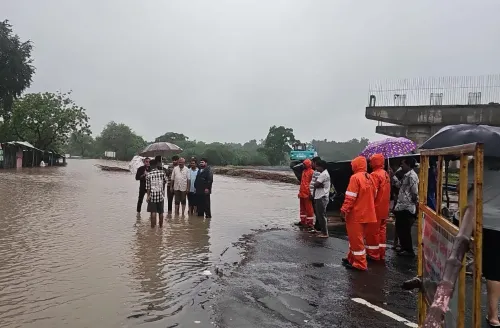
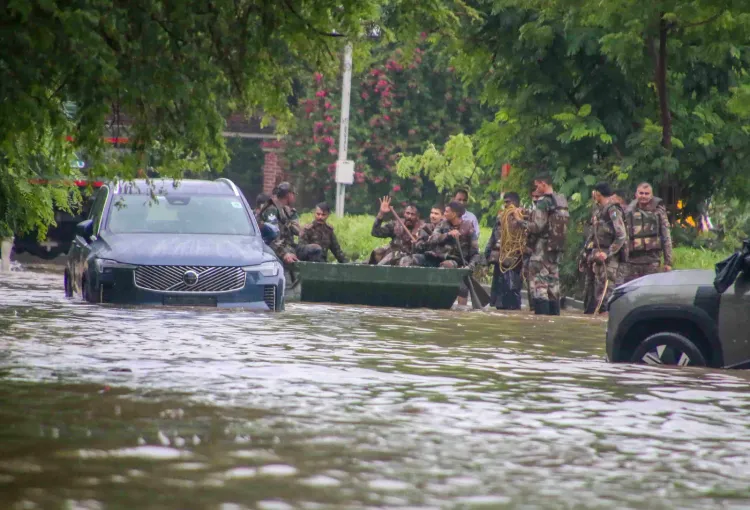
Gujarat's flood response shifted decisively toward relief and restoration on Friday, 25 July, as rescue operations in the worst-hit districts of South Gujarat neared completion and the state government turned its attention to rebuilding infrastructure, distributing aid, and bracing for fresh rainfall forecast over the next three to four days.
High-Level Review in Gandhinagar
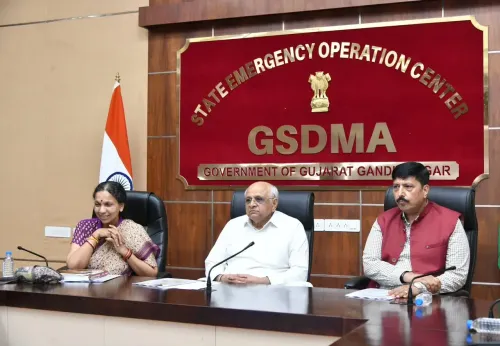
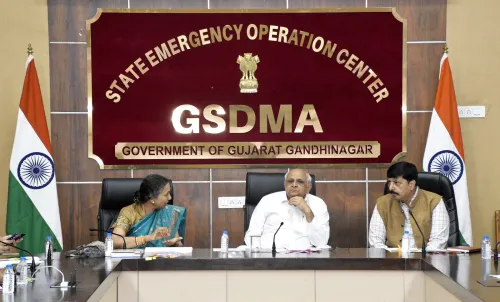
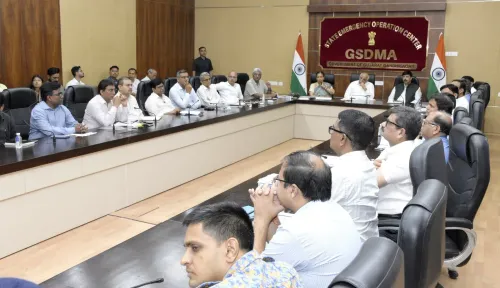
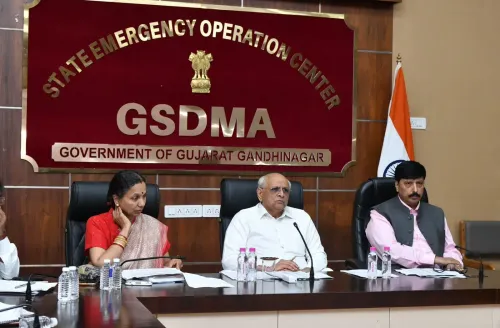
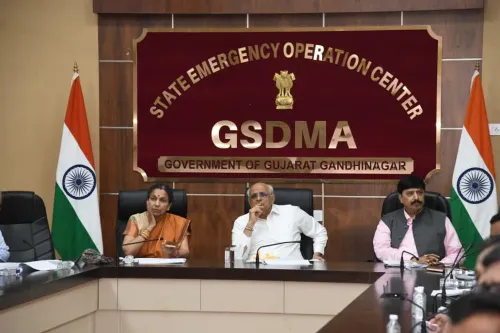
Chief Minister Bhupendra Patel chaired a high-level meeting at the State Emergency Operations Centre (SEOC) in Gandhinagar on Friday to assess rescue progress, restoration of essential services, and preparedness for further rain. The India Meteorological Department (IMD) briefed the meeting that five active weather systems over Gujarat are expected to bring widespread rainfall to Central Gujarat, North Gujarat, Ahmedabad, Surendranagar, and surrounding areas over the coming days. Red, Orange, and Yellow alerts have been issued across different parts of the state. Patel directed district collectors and local administrations to remain on high alert and ensure all preparedness measures are in place.
Scale of the Emergency So Far
Officials confirmed that 40,500 people have been evacuated to safer locations since the onset of the emergency, while 6,367 people have been rescued across the state. Kheda district recorded the highest single-day rainfall in the previous 24 hours, receiving approximately 24 inches of rain. Relief Commissioner Alok Kumar Pandey noted that Valsad has already received 90.98% of its 30-year seasonal average rainfall, while Navsari has recorded 95.13% — both significantly above normal for this point in the monsoon season.
Rescue Forces Redeployed as South Gujarat Stabilises
With rainfall intensity declining in South Gujarat, one National Disaster Response Force (NDRF) team along with 15 boats has been redeployed from Valsad to Ahmedabad in anticipation of worsening conditions further north. Across the state, 17 NDRF teams and 32 State Disaster Response Force (SDRF) teams remain active, supporting district administrations. Additional teams have been kept on standby for North Gujarat. The government has also deployed two Army contingents each in Ahmedabad, Valsad, and Navsari, with four additional Army teams held in reserve.
₹40 Crore Released for Relief and Restoration
The state government has allocated ₹40 crore for cash doles and household assistance for flood-affected residents. Distribution has already commenced in Valsad and will begin in Navsari once floodwaters recede. On the infrastructure front, 365 roads out of those damaged have already been restored. Around 1,500 personnel, supported by 225 JCB excavators and more than 1,500 machines, are working to reopen road links. A Chief Engineer and an Officer on Special Duty (OSD) have been assigned to oversee restoration in Surat, Valsad, and Navsari, alongside six teams of design experts.
Power Restoration and Public Health Measures
According to the Principal Secretary of the Energy Department, 350 teams and more than 1,000 power department personnel are working to restore electricity disrupted by waterlogging at substations. Electricity supply in most affected villages was expected to be restored by late Friday night. Patel also directed officials to launch an extensive cleanliness drive once floodwaters recede, to reduce the risk of disease outbreaks — a standard but critical post-flood public health concern. Chief Secretary M. K. Das instructed district administrations to regularly disseminate timely information through social media and other communication channels to prevent unnecessary public fear ahead of the next wave of rain.
With fresh rainfall systems bearing down on Central and North Gujarat, the state's emergency machinery faces the challenge of managing active relief operations in the south while pre-positioning resources for potential new flooding further north.
Point of View
But the timing is precarious — five weather systems are already queued up for Central and North Gujarat even as the south is still being cleaned up. The redeployment of NDRF boats from Valsad to Ahmedabad is the right call, but it also signals that the state is essentially running two simultaneous emergencies. The ₹40 crore relief allocation will matter only if distribution reaches the most vulnerable before the next flood cycle begins — and the caveat that Navsari payouts await receding waters suggests bureaucratic process is still lagging the ground reality.
NationPress
23 Oct 2026
Frequently Asked Questions
How many people have been evacuated and rescued in the Gujarat floods?
As of Friday, 25 July, a total of 40,500 people have been evacuated to safer locations and 6,367 people have been rescued across Gujarat since the flood emergency began. Rescue operations in South Gujarat are now nearing completion as rainfall intensity declines in that region.
How much relief aid has the Gujarat government released for flood victims?
The Gujarat government has allocated ₹40 crore for cash doles and household assistance for people affected by the floods. Distribution has already started in Valsad and will begin in Navsari once floodwaters recede.
Which areas of Gujarat are under fresh rain alerts?
The India Meteorological Department has forecast widespread rainfall over the next three to four days in Central Gujarat, North Gujarat, Ahmedabad, and Surendranagar. Red, Orange, and Yellow alerts have been issued for different parts of the state.
What is the status of road and power restoration in flood-hit Gujarat?
Of the roads damaged by the floods, 365 have already been restored, with around 1,500 personnel and 225 JCB excavators working on the remaining links. On the power front, 350 teams and over 1,000 electricity department personnel are working to restore supply, with most affected villages expected to have electricity back by late Friday night.
Which district received the highest rainfall in Gujarat recently?
Kheda district recorded the highest rainfall in the previous 24-hour period, receiving approximately 24 inches of rain. Valsad has received 90.98% of its 30-year seasonal average and Navsari 95.13%, both significantly above normal for this stage of the monsoon.